Trump Admin Approves $10B+ Taiwan Arms Deal Amid China Tensions
The Trump administration has approved over $10 billion in arms sales to Taiwan, including missiles and drones, sparking fierce opposition from Beijing.

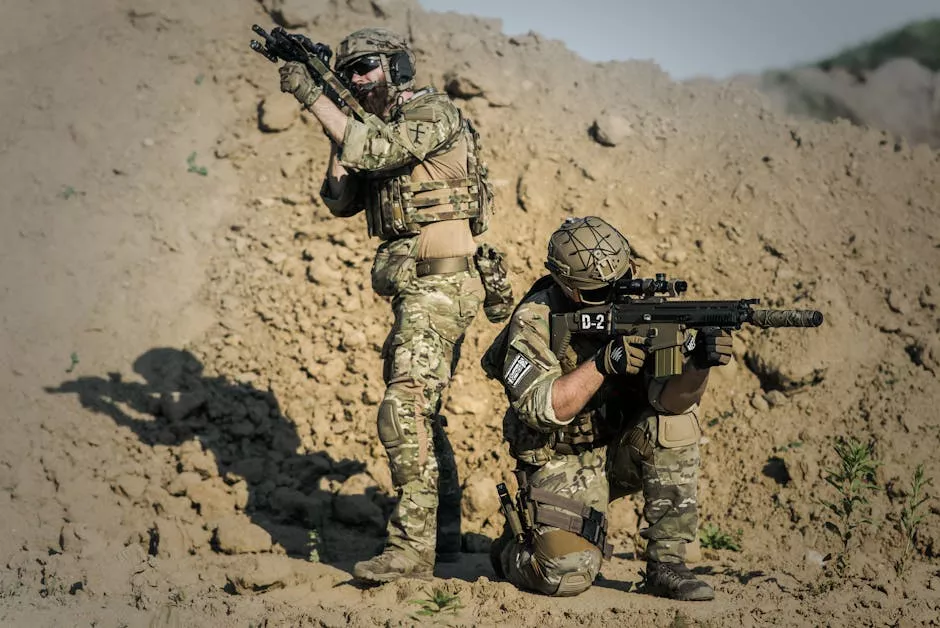
The Trump administration has announced a substantial military aid package exceeding $10 billion in arms sales to Taiwan, marking one of the most significant weapons transfers to the island nation in recent years. The comprehensive package includes medium-range missiles, advanced howitzers, and sophisticated drone systems, signaling Washington's continued commitment to Taiwan's defense capabilities.
Details of the Arms Package
The State Department's announcement came during a nationally televised address by President Donald Trump, though the president himself did not directly address the Taiwan arms sale or broader China policy issues during his remarks. The timing of the announcement, delivered late Wednesday evening, suggests the administration's awareness of the sensitive nature of the transaction and its potential to inflame U.S.-China relations.
The weapons package represents a significant upgrade to Taiwan's defensive capabilities, with medium-range missiles providing enhanced deterrent capacity against potential aggression. The inclusion of howitzers and drone technology demonstrates a comprehensive approach to modernizing Taiwan's military infrastructure across multiple domains of warfare.
Beijing's Fierce Opposition
China has responded with predictable anger to the announcement, viewing any military support to Taiwan as a direct challenge to its territorial claims over the island. Beijing maintains that Taiwan is an integral part of the People's Republic of China and must eventually unify with the mainland, making any external military assistance a matter of core national interest for Chinese leadership.
The Chinese response reflects broader tensions in U.S.-China relations, which have experienced significant fluctuations throughout Trump's second term. While trade and tariff disputes have dominated much of the bilateral relationship, Taiwan remains one of the most sensitive flashpoints between the two superpowers.
Geopolitical Implications
This arms sale occurs against the backdrop of China's increasingly assertive military posture in the Taiwan Strait and broader South China Sea region. Recent analysis has shown how China's military presence has systematically increased around Taiwan, creating what many observers describe as a gradually tightening strategic squeeze on the island democracy.
The timing of the announcement also carries significant implications for regional stability. As China continues to expand its military capabilities and assert territorial claims more aggressively, Taiwan's allies have sought to maintain a credible deterrent through enhanced defensive capabilities.
Strategic Considerations
The $10 billion figure represents not just a financial transaction but a strategic statement about American commitment to maintaining the balance of power in the Indo-Pacific region. For Taiwan, these weapons systems provide crucial defensive capabilities that may help deter potential military action while buying time for diplomatic solutions to emerge.
The arms package also reflects broader American strategic thinking about the nature of modern warfare, particularly the emphasis on precision-strike capabilities, artillery systems, and unmanned platforms that have proven effective in contemporary conflicts.