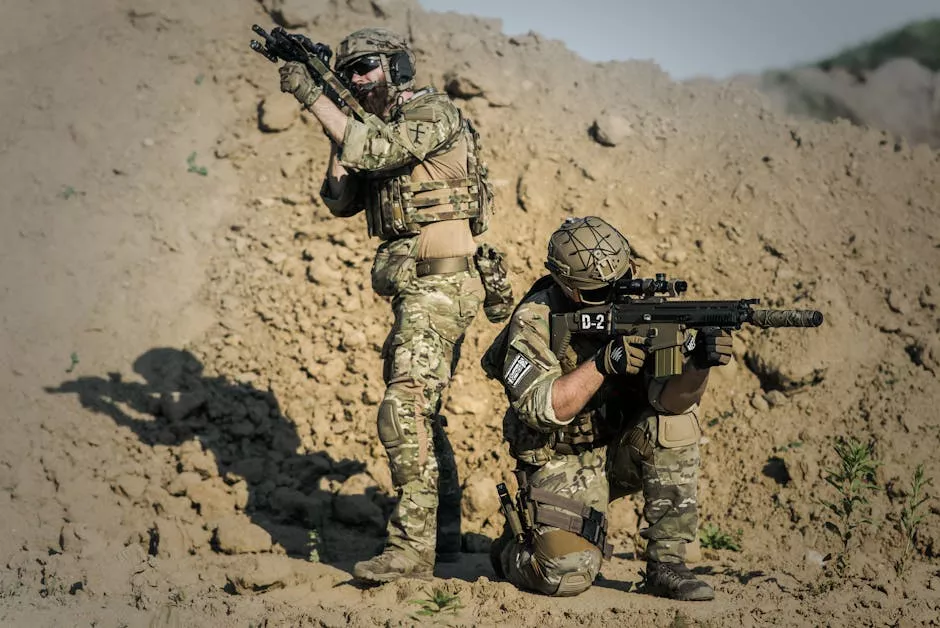
Global Surge in War Bets Raises Ethical, Geopolitical Concerns
The increase in betting on armed conflicts highlights ethical challenges and reflects broader geopolitical tensions.
Africa & Global Economy Correspondent
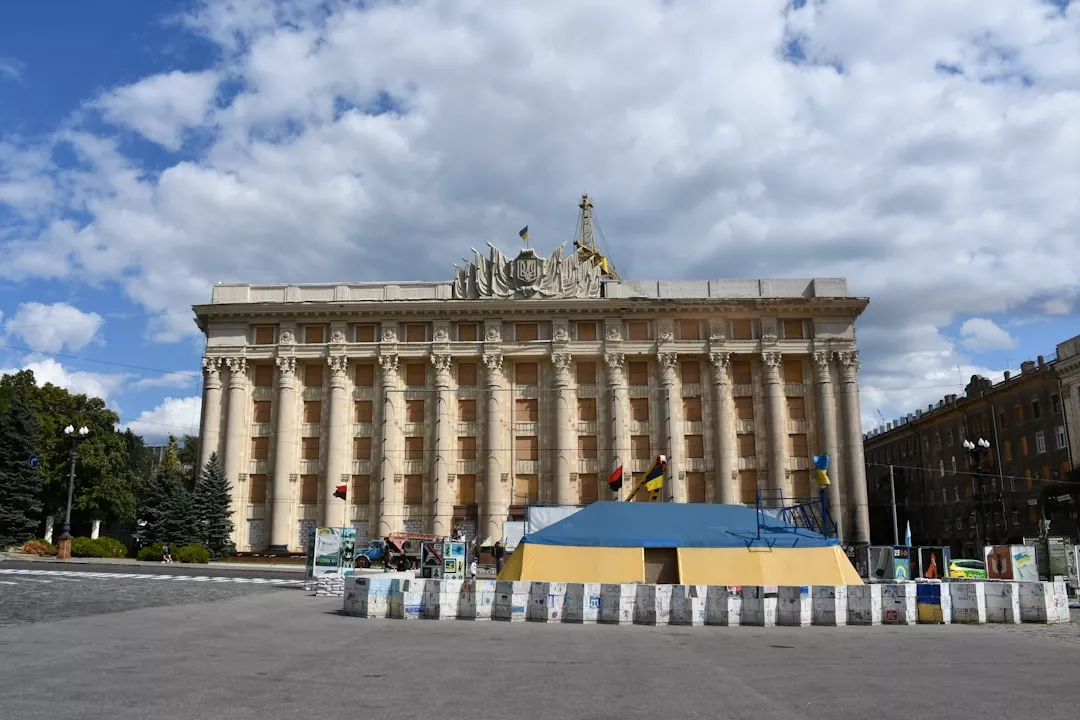
The Rising Phenomenon of War Betting
The trend of betting on the outcomes of wars and conflicts is gaining momentum globally. This unsettling trend, amplified by geopolitical tensions, invites questions about ethics and the trajectory of global conflicts. Notably, the practice has penetrated various online platforms, making it easier for individuals worldwide to place financial stakes on real-world outcomes.
Historically, gambling has been associated with entertainment and sports, but the shift toward betting on geopolitical events marks a significant deviation. This development can be attributed to the digital revolution and an increase in conflicts worldwide which have captured public attention.
Historical Context: Gambling Beyond Games
Gambling has existed in human societies for centuries, often focusing on sports and games of chance. However, the commodification of conflict as a betting avenue is relatively recent. During the Cold War, similar strategies were used by intelligence agencies and analysts to predict geostrategic outcomes, harnessing the collective intelligence of crowds.
In the context of war betting, technology has enabled real-time information dissemination, prompting more participants to speculate on the volatile landscape of modern conflicts.
Regional Perspectives: Conflicts in the Spotlight
Regionally, conflicts such as the ongoing tensions in the Middle East, the war in Ukraine, and the Indo-Pacific territorial disputes serve as focal points for war betting. These regions are often marked by historical animosities, making them prime subjects for speculation.
The Middle East, long a hotbed of conflict, continues to draw interest from those placing bets. Similarly, the Russo-Ukrainian War has sharply focused attention on Eastern Europe, while tensions between China and the U.S. elevate the strategic importance of the Indo-Pacific.
Geopolitical Implications of War Betting
The entry of war into the realm of betting markets introduces a layer of complexity to international relations and global peace efforts. On one hand, it reflects the prevailing uncertainties and complexities embedded in global politics. On the other, it raises ethical concerns about commodifying human suffering and the financial motivations tied to peace and war outcomes.
Furthermore, this phenomenon could inadvertently influence public perceptions and foreign policy decisions. Governments might face additional pressures from both domestic audiences and international observers.
The Ethical Quandary
Betting on war outcomes presents a significant ethical dilemma. On the surface, it monetizes the pursuit of knowledge and prediction in geopolitics. Yet, it also commodifies the sufferings of millions, potentially leading to desensitization regarding human casualties and geopolitical unrest.
Navigating these waters requires a balance between open markets and moral responsibilities, a task that global governance bodies and nation-states must address as this trend intensifies.
Why It Matters
Why It Matters
The rise in war bets underscores deeper geopolitical tensions and the increasingly complex nature of modern conflicts. While offering insights into public sentiment, it challenges ethical boundaries and has potential ramifications for global governance. This trend could affect diplomatic engagements, policy formulation, and even media coverage of conflicts. As the world inches towards more unpredictability in geopolitics, stakeholders and citizens must remain vigilant regarding the moral and strategic implications of monetizing warfare.
Looking ahead, policymakers and international organizations will need to grapple with these issues, balancing the freedoms of a market economy with ethical considerations, and ensuring the discourse surrounding war and peace remains centered on human values rather than potential financial gains.