Escalating Conflict: First U.S. Fatalities in Iran War Announced
Pentagon reports first U.S. deaths in Iran conflict; five more wounded in undisclosed locations, heightening geopolitical tensions.
Middle East & Diplomacy Specialist
Introduction
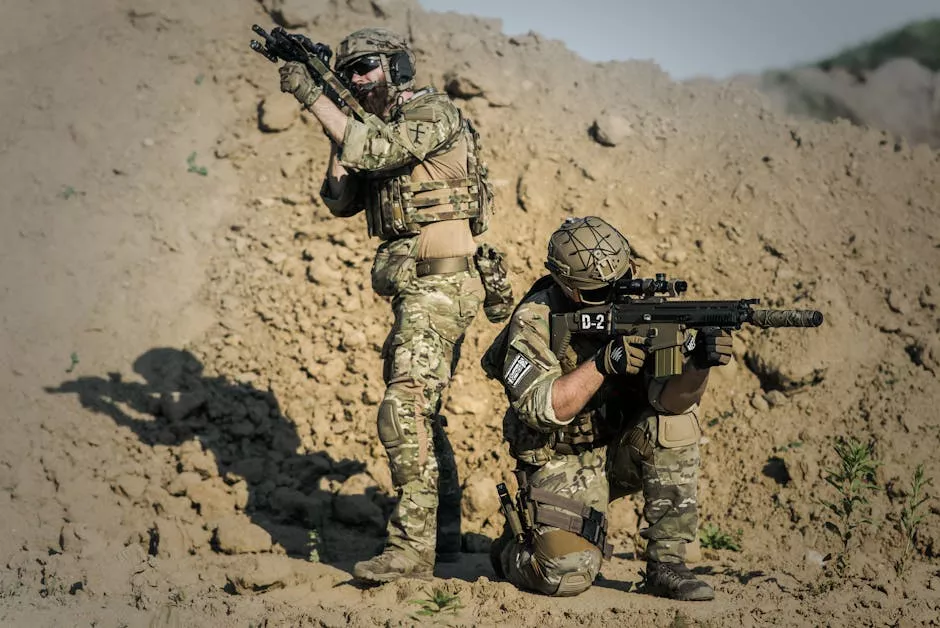
The Pentagon has confirmed the first U.S. casualties in the ongoing conflict with Iran, marking a somber milestone in the escalating hostilities between the two nations. Details about the location of these fatalities remain undisclosed, but it has been reported that five additional soldiers sustained serious injuries, with several suffering from shrapnel wounds.
Historical Context
Hostilities between the U.S. and Iran have simmered for decades, rooted deeply in geopolitical, economic, and ideological differences. Tensions flared after the 1979 Iranian Revolution and the subsequent hostage crisis, cementing a fraught relationship. In recent years, confrontations have intensified over Iran's nuclear program, its influence in the Middle East, and U.S. sanctions aimed at crippling its economy.
Recent Developments
The announcement from U.S. Central Command comes amid a backdrop of intensified military engagements. This latest incident is a stark reminder of the fragile state of U.S.-Iran relations. Analysts speculate the attack might be connected to recent U.S. military operations in the region, possibly as a retaliatory measure by Iranian-affiliated groups.
It's crucial to note the strategic importance of military bases in the Middle East, which serve as crucial nodes for U.S. operations. While details about the attack location remain confidential, these bases have been the focal points of various skirmishes and proxy battles in the past.
Regional Perspectives
The Middle East remains a volatile mosaic of alliances and conflicts. Iran's regional influence, exercised through proxies in Iraq, Lebanon, and Yemen, complicates the geopolitical landscape. U.S. military actions are often interpreted as affronts against Iranian sovereignty and influence, leading to a cycle of retaliatory attacks.
Israel, a key U.S. ally, perceives Iran as a significant existential threat due to its nuclear ambitions and support for groups like Hezbollah. Meanwhile, Gulf states, although wary of Iran, are cautious in their military commitments, often opting for diplomatic channels.
Geopolitical Implications
The ramifications of this conflict extend far beyond the immediate region. The Strait of Hormuz, a vital chokepoint through which a substantial percentage of the world's oil supply is transported, is under threat, impacting global oil markets and causing fluctuations in energy prices worldwide.
Furthermore, recent events could strain U.S. relationships with European allies, who largely favor diplomatic solutions to military interventions. The potential for broader regional warfare remains a looming concern, as further U.S. military engagement might provoke a larger conflict involving multiple nation-states.
U.S. Military and Political Response
The Pentagon's report has prompted calls from U.S. lawmakers for a strategic reassessment of America's military presence in the Middle East. There are growing debates over the efficacy and ethics of continued military engagement in the region, with some arguing for a focus on diplomacy and others on demonstrating military strength.
Public Sentiment and Military Morale
The news of American casualties has evoked public sympathy and reignited discussions about the human costs of war. Military families and veterans' groups have expressed concerns over the prolonged exposure of U.S. forces to hostile environments in distant lands.
Why It Matters
Why It Matters
The U.S. casualties in the conflict with Iran underscore a pivotal moment, highlighting the risks of deepening military engagements in volatile regions. This event could catalyze significant policy shifts in Washington, pushing the U.S. government to either escalate military actions or pivot towards diplomatic resolutions. The global community must closely monitor this situation, as these developments hold profound implications for international security and economic stability. Observers should watch for changes in oil market stability and potential realignments in Middle Eastern alliances that could reshape the geo-economic landscape.