Syria's Neutrality Boosts Its Role Amid Iran Conflict
Syria's neutrality in the Iran conflict positions it as a mediator, potentially facilitating solutions to the Strait of Hormuz blockade.
International Relations Correspondent
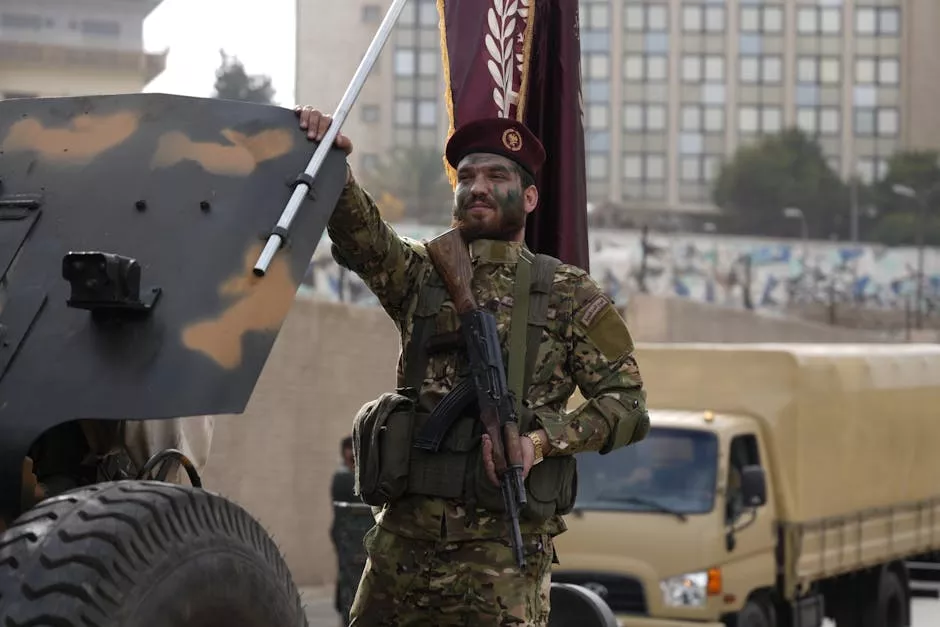
Syria, under its recently formed government, has strategically opted for a stance of neutrality amid escalating tensions in the region, particularly concerning the ongoing Iran conflict. This approach not only distances Syria from direct hostilities but also paves the way for Damascus to position itself as a key influencer in regional stability. A significant focal point in this geopolitical chess game is the Strait of Hormuz, a critical artery for global oil supplies and a potential flashpoint in the Iran-US tensions.
Historical Context of Syria's Foreign Policy
Syria's history is marked by its central role in Middle Eastern geopolitics, from its alliance with the Soviet Union during the Cold War to its more recent alignment with Iran and opposition forces like the U.S. and Israel. This complex web of alliances has often left Syria as a battlefield of proxy wars, particularly visible in its long-standing civil conflict.
However, post-civil war scenarios have seen Syria's leadership seeking to regain its regional significance through diplomatic and economic engagement rather than military entanglements. The new government appears committed to maintaining a delicate balance, understanding that its geo-strategic location affords both opportunities and vulnerabilities.
The Strait of Hormuz: A Geopolitical Flashpoint
The Strait of Hormuz is often described as a geopolitical chokepoint, with a fifth of global oil passing through its waters. The strategic significance of this narrow passage cannot be understated, especially when considered against the backdrop of US-Iran tensions. The blockade or disruption of this route could have catastrophic implications for the global energy market.
In this context, Syria's non-involvement in the Iran conflict provides it with unique leverage. Damascus has subtly hinted at its willingness to mediate, leveraging its lack of direct conflict engagement to potentially defuse the situation. This approach could open diplomatic channels previously considered impossible under past Syrian regimes.
Regional and Global Implications
Syria's diplomatic tactics are not just about avoiding conflict but also about re-establishing its influence across the Middle East. As regional powers like Saudi Arabia and the UAE navigate their own fractures with Iran, they might find Syria's neutral stance an opportunity to explore indirect dialogues with Tehran.
For global powers, particularly those in Europe and the United States, Syria's positioning offers both challenges and opportunities. Western nations, traditionally at odds with Damascus, might need to recalibrate their policies to accommodate Syria's newfound status. This scenario presents a chance for renewed diplomatic engagement, though any approach would require navigating Syria's complex alliances with Russia and Iran.
Moreover, Syria's neutrality can potentially contribute to more stable oil markets by reducing regional tensions and ensuring the free flow of energy resources through the Strait of Hormuz. This stability could, in turn, have positive ripple effects on global economic recovery efforts post-pandemic.
Why It Matters
Why It Matters: Syria's strategic neutrality amid the Iran war could shift regional alliances and power dynamics. By not taking sides, Damascus opens itself up as a potential mediator in the critical issue of the Strait of Hormuz, a major energy transit route. This move not only enhances Syria's diplomatic standing but also has broader implications for global energy security. Stakeholders—from local Gulf states to global powers like the U.S. and China—will be closely watching Syria's maneuvers, as they may prove pivotal in de-escalating regional tensions and ensuring stability. For observers and policymakers alike, keeping an eye on Syria's diplomatic engagements could offer insights into the evolving geopolitical landscape in the Middle East.