Israel's Prolonged Conflict Raises Economic and Security Concerns
Ongoing regional tensions put financial and security strains on Israel, raising questions about the sustainability of its military efforts.
Africa & Global Economy Correspondent

The enduring conflict engulfing the Middle East has placed Israel in a precarious position, fighting on multiple fronts. Tensions escalated following Israel's attack on Iran, triggering a series of retaliatory strikes, frequent air raid alerts, and the consequent mobilization of reservists. These developments have sparked widespread public concern regarding Israel's capacity to sustain such military engagements, both financially and strategically, over an extended period.
Historical Context of Regional Tensions
Historically, the Middle East has been a hotbed of conflict and geopolitical contestations, with complex layers involving resource control, ideological clashes, and territorial disputes. The Israeli-Iranian antagonism is deeply rooted in historical grievances, strategic rivalry, and political ideologies. Since the Iranian Revolution of 1979, bilateral relations have been marked by mutual suspicion and hostility. The specter of war has loomed large, with Israel perceiving Iran's nuclear program as an existential threat, a tension that recently materialized into open conflict.
Current Military Engagements
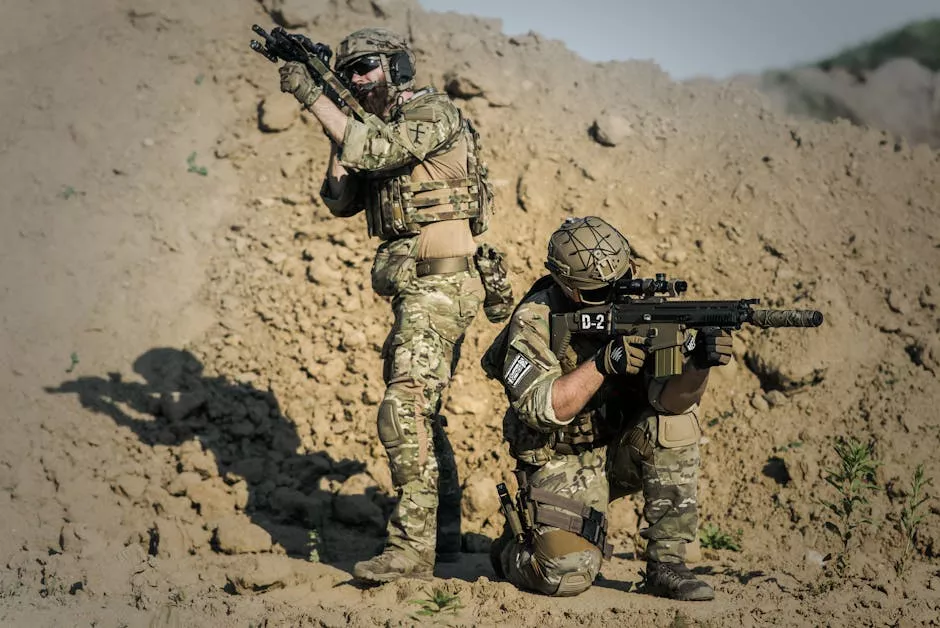
In recent months, Israel has confronted threats not only from Iran but also from proxy groups in neighboring regions. This multifront war scenario has strained the country’s military and economic resources. The rolling out of air defense systems has become a daily routine, coupled with the societal impact of recurring air raid sirens disrupting civilian life. Schools in several areas remain closed, reflecting the severity of the threat environment.
Financial Implications and Sustainability
The economic ramifications of a prolonged conflict for Israel are profound. Military engagements necessitate substantial financial outlays, impacting national growth and stability. Since Israel relies heavily on technological and military exports, sustained conflict could jeopardize its economic partnerships and deter foreign investment. Economic resilience underpins military sustainability, and prolonged engagements could strain national coffers significantly.
Regional Responses
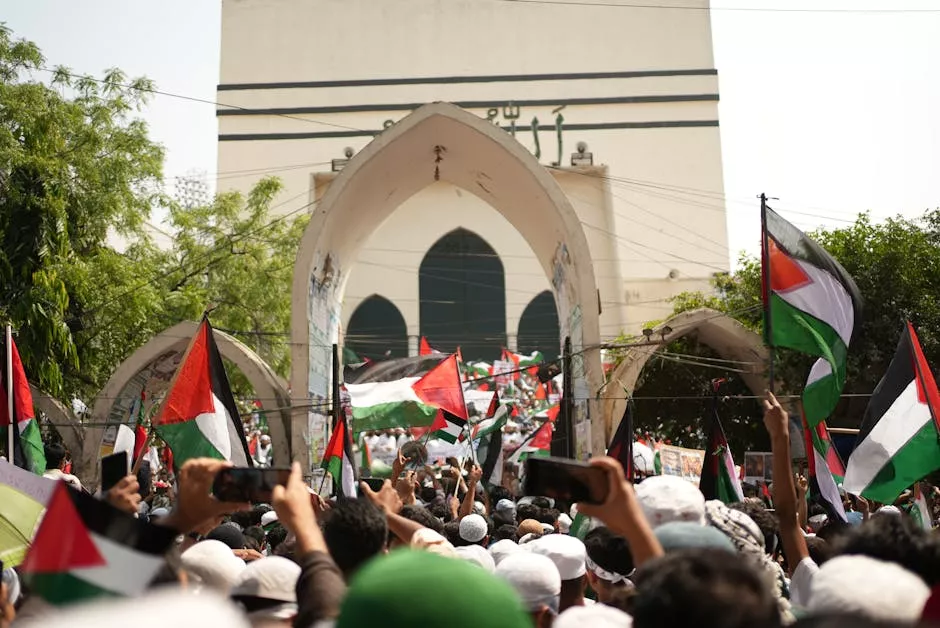
Israel’s actions have elicited varied responses from regional players. Allies and adversaries alike are recalibrating their strategies in response to the cascading effects of the conflict. Countries like Saudi Arabia and the Gulf states are watching cautiously, balancing their diplomacy between aligning with Western anti-Iran stances and managing regional stability. International players, particularly the United States and the European Union, have called for restraint, emphasizing diplomatic avenues.
Geopolitical Implications
The broader geopolitical implications of this conflict reverberate beyond the immediate regional theater. Global oil markets respond sensitively to Middle Eastern tensions, impacting energy prices worldwide. Furthermore, the conflict aggravates existing refugee crises, as civilians in affected areas might seek escape routes, pressuring neighboring countries’ resources and heightening humanitarian concerns.
The Israeli-Iranian conflict also threatens to rekindle dormant hostilities among other regional actors, potentially drawing external powers into a more active engagement, thereby amplifying global geopolitical stakes.
Why It Matters
Israel's current scenario epitomizes the delicate balance of power in the Middle East, encapsulating broader geopolitical dynamics. The continuation of hostilities between Israel and Iran, compounded by the involvement of proxy forces, could reshape alliances and prompt shifts in the policy orientations of regional and global powers. Economically, Israel’s endurance hinges on sustained international support and intricate strategizing to mitigate warfare costs. Strategically, the crisis underscores the paramount importance of diplomatic channels and conflict-resolution mechanisms in averting widespread instability. Observers should monitor diplomatic overtures and shifts in military alignments to anticipate possible escalations or resolutions.