Iran's Kurdish Dynamics: A New Front in Regional Tensions
Kurdish groups in northern Iraq hint at crossing into Iran, raising tensions amidst complex regional geopolitics.
Africa & Global Economy Correspondent
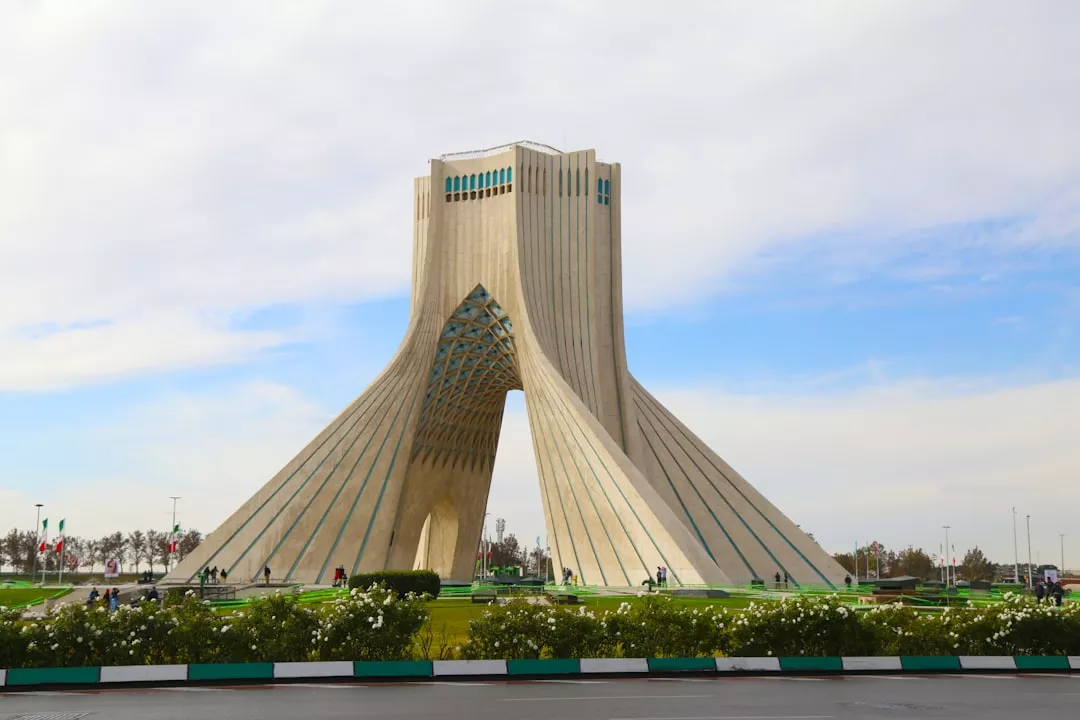
In the intricate web of Middle Eastern geopolitics, the presence of Kurdish opposition groups along the Iran-Iraq border has emerged as a focal point for regional tensions. Recent reports suggest that these exiled groups in northern Iraq have long been strategizing for incursions into Iran, although they currently deny any cross-border advances.
Historical Context
The Kurdish issue is deeply rooted in the 20th-century history of the Middle East, where arbitrary post-World War borders left the Kurdish people as one of the largest stateless ethnic groups. This longstanding fight for autonomy and recognition has periodically resurfaced in various nations home to large Kurdish populations, including Iran, Iraq, Syria, and Turkey.
In Iran, the Kurdish Democratic Party of Iran (KDPI) and the Komala Party have historically been at the forefront of Kurdish resistance. Their activities have often been met with severe repression from Iranian authorities, contributing to the group's exiled status in northern Iraq.
Cross-Border Dynamics
Northern Iraq, particularly the autonomous Kurdistan Region, has served as a safe haven for Iranian Kurdish opposition groups. The relative stability and autonomy in Iraqi Kurdistan provide a strategic base for these groups to support and organize their activities.
While these groups assert that they have merely been making preparatory moves, their intent and capability to cross into Iranian territory cannot be taken lightly. The Iran-Iraq border is not just a geopolitical line but a historical flashpoint, where ethnic and sectarian tensions are frequently at play.
Regional Stakeholders
The involvement of Kurdish groups in regional dynamics inevitably garners attention from neighboring countries. Iraq, which hosts these groups, must balance its own constitutional commitments to the Kurdish region with maintaining cordial relations with Iran. Meanwhile, Iran staunchly opposes any threat to its territorial integrity, often launching military strikes into Iraq to target what it terms 'terrorist bases.'
Turkey’s interest cannot be understated either. With its own substantial Kurdish population and ongoing conflicts with the PKK (Kurdistan Workers' Party), Turkey monitors all Kurdish movements with an eye toward its concerned borders.
International Implications
While the Kurdish issue remains largely regional, it has significant international ramifications. The U.S. and many European nations have historically supported Kurdish autonomy efforts, partly due to the Kurds' pivotal role in counter-terrorism efforts against ISIS. These alliances could lead to diplomatic rifts if the situation escalates, drawing international actors further into Middle Eastern disputes.
Potential Outcomes
The crossing of Kurdish opposition groups into Iran could catalyze a cascade of escalations involving direct military confrontations. Iran may feel forced to retaliate aggressively, further destabilizing an already volatile region. On the other hand, successful re-entrant actions by these groups could embolden other Kurdish factions across Middle Eastern borders, sparking a broader ethno-nationalist mobilization.
At the geopolitical level, such tensions could lead to realignments. Nations may reassess their diplomatic stances based on how events unfold in this latest Kurdish saga, ultimately reshaping regional alliances and hostilities.
Why It Matters
Why It Matters
The movement of Kurdish opposition groups near Iran's border resonates beyond national realms into the broader tapestry of Middle East politics. It potentially reverberates into NATO discussions on regional stability and forces countries like Iraq and Turkey to reevaluate their internal and cross-border policies. Notably, an escalation involving Kurdish groups can trigger a humanitarian crisis, with displacement affecting civilian populations. Furthermore, increased Iranian military actions in northern Iraq could disturb oil market stability due to the region’s energy resources, affecting global markets. As these stories develop, close monitoring of military actions and international diplomatic engagements becomes essential for anticipating future geopolitical landscapes.