Iran's Nowruz Celebration Marred by Escalating Regional Strife
As Iranians prepare for Nowruz, regional tensions and threats cast a shadow over traditional festivities.
Middle East & Diplomacy Specialist
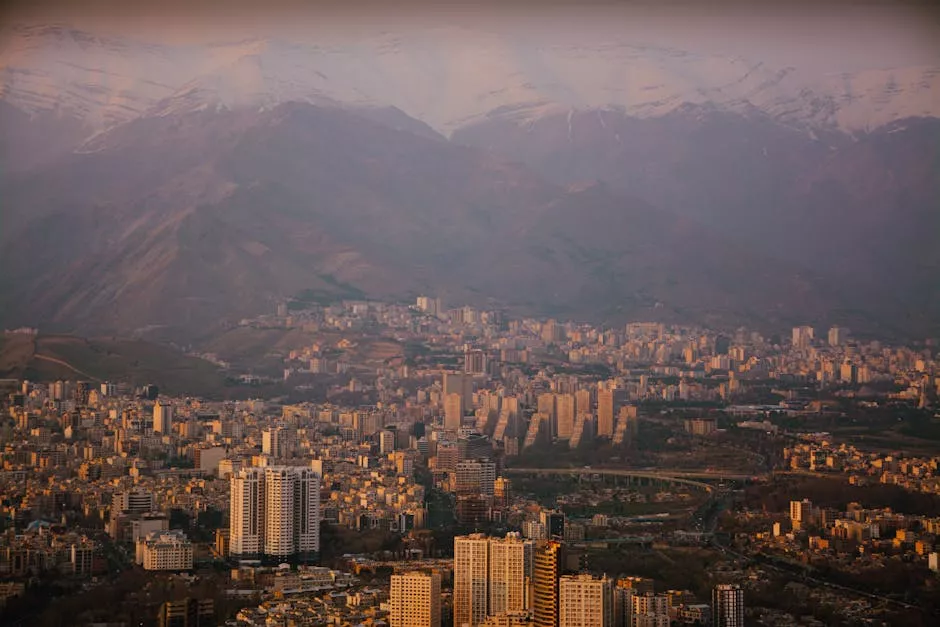
As the vernal equinox approaches, marking the start of Nowruz, Iranians find themselves preparing for the new year amid rising regional tensions. The celebration of Nowruz, which is deeply rooted in Iranian culture, marks a time of renewal and joy, but this year, the air is thick with uncertainty and fear.
The Historical Significance of Nowruz
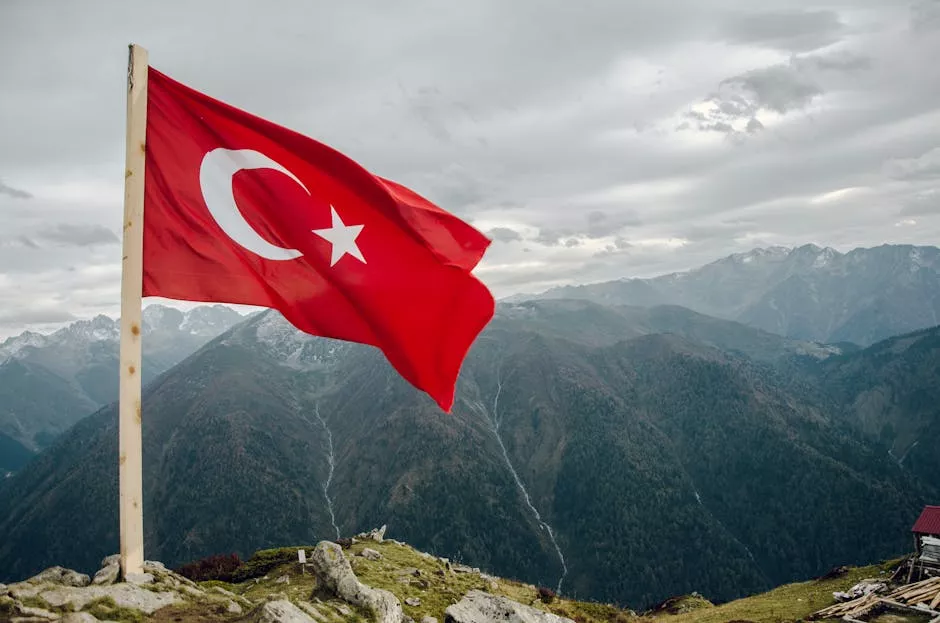
Nowruz, which means 'new day' in Persian, is a festival that traces its origins back over 3,000 years. It is celebrated not only in Iran but across a range of countries including Afghanistan, Azerbaijan, Turkey, and parts of Central Asia. Traditionally, Nowruz involves rituals that symbolize cleansing and renewal, such as house cleaning, cooking special dishes, and visiting friends and family.
Current Regional Tensions
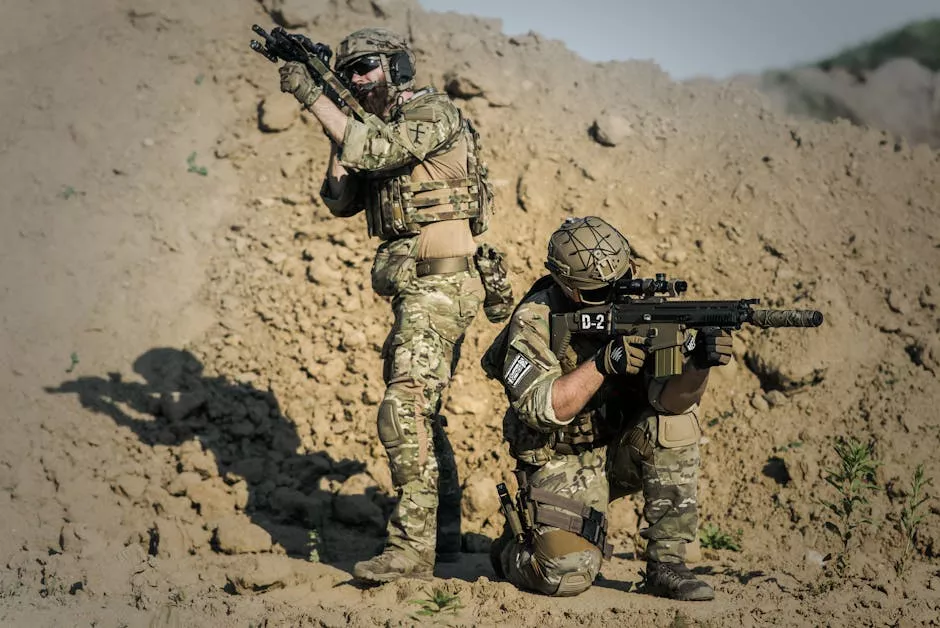
In recent years, Iran has found itself at the crossroads of geopolitical conflicts that have had significant ramifications on the country and its people. The recent escalations in military activities and economic sanctions have put tremendous pressure on ordinary Iranians. With airstrikes targeting areas close to Iran, fears have intensified as the potential for regional conflict looms large.
Impact on the People
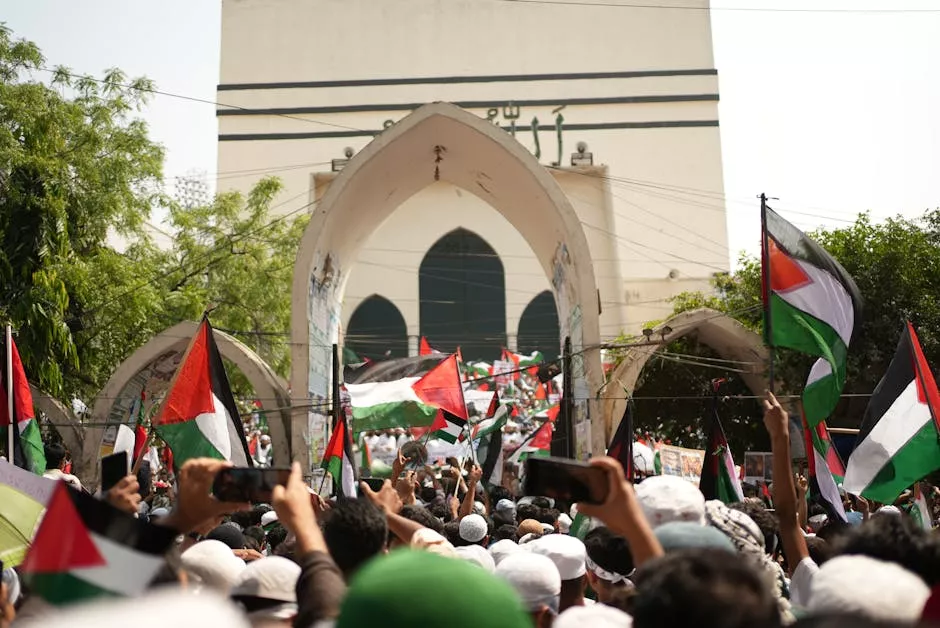
For many Iranians, the looming threat of conflict has cast a shadow over Nowruz. Those who spoke to news agencies, including the BBC, conveyed their deep-seated concerns about safety during the festivities. Extravagant displays that typically accompany the celebration have been scaled back, replaced by a muted acknowledgment of the day amidst worry and anxiety.
Geopolitical Implications
The situation in Iran has far-reaching implications that extend beyond its borders. As a pivotal nation in the Middle East, any internal conflict or instability can have a destabilizing effect across the region, impacting international trade routes, energy supplies, and global security dynamics. Moreover, Iran's alliances and enmities play into a broader geopolitical chess game involving major world powers.
A Long History of Challenges
The Iranian people have a long history of resilience, having weathered various struggles from political upheaval to economic sanctions. Nevertheless, the current state of affairs presents a uniquely challenging environment where cultural traditions collide with the harsh realities of modern geopolitics.
Despite the threats and turmoil, Nowruz continues to be a beacon of hope for many. It is a reminder of Iran's rich cultural heritage and the enduring human spirit that seeks joy and continuity even amid crisis.
Why It Matters
Iran's challenges during Nowruz hold broader geopolitical significance due to the country's strategic position in the Middle East. The potential for conflict impacts global oil prices and security arrangements, as Iran is a major player in regional stability. Furthermore, any escalations could trigger global responses involving superpowers and alliances, altering international relations. As such, the situation in Iran during Nowruz is a bellwether for larger geopolitical shifts, making it a critical focal point for analysts and policymakers. Observers should watch for diplomatic measures and military movements in the region, as they may indicate the direction of future engagements.