Tehran's Economic Strain Fuels Tensions Amid War Threats
As economic hardships plague Tehran, fears of escalating conflict are resurfacing, overshadowing daily life in Iran’s capital.
Middle East & Diplomacy Specialist
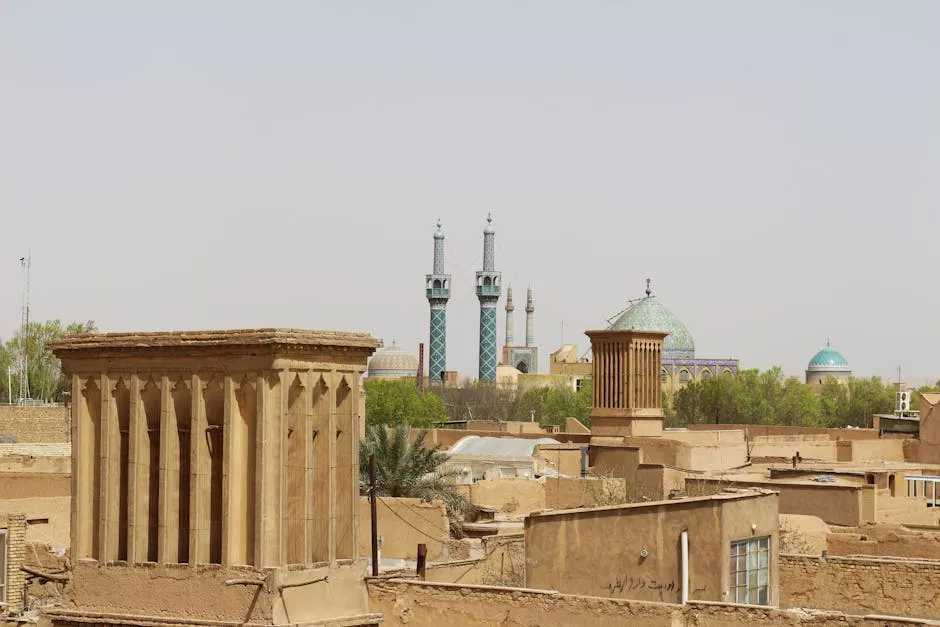
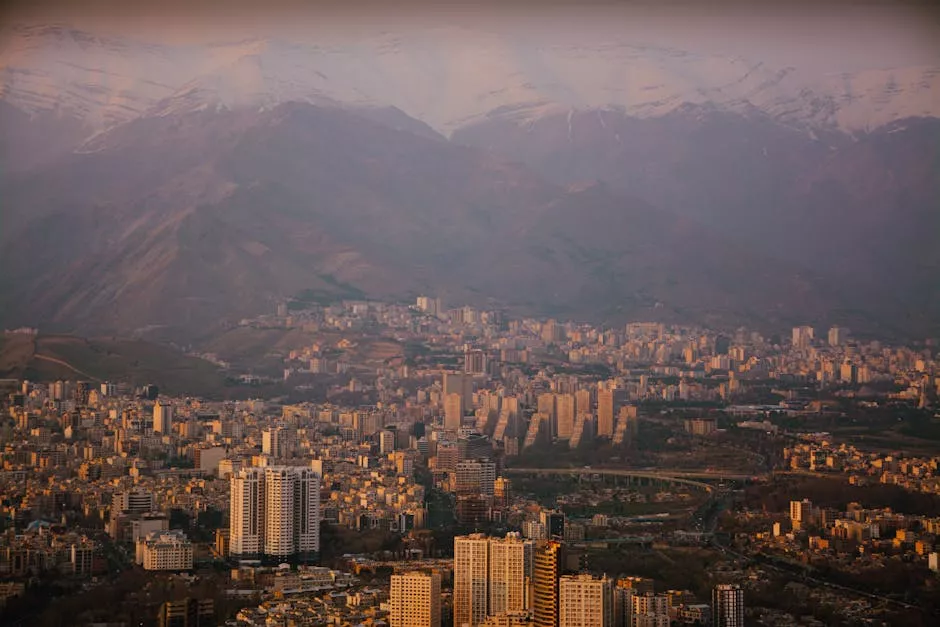
In the heart of Tehran, vibrant bazaars bustled with activity, providing a facade of normalcy that belies the deep-seated anxieties gripping the city. As bustling commercial streets echo with the hustle and bustle of bargaining vendors and consumers, a pervasive sense of uncertainty looms ominously over Iranian society. With economic pressures mounting and geopolitical tensions simmering, Iranians find themselves at a crossroads.
An Economy Under Siege
The Iranian economy is reeling under incessant pressures—crippling sanctions imposed by the United States, falling oil revenues, and a depreciating currency have thrust everyday citizens into financial chaos. Inflation rates soar, rendering basic goods expensive and scarce. For Tehran's residents, the financial squeeze translates into a daily struggle.
The Impact on Daily Life
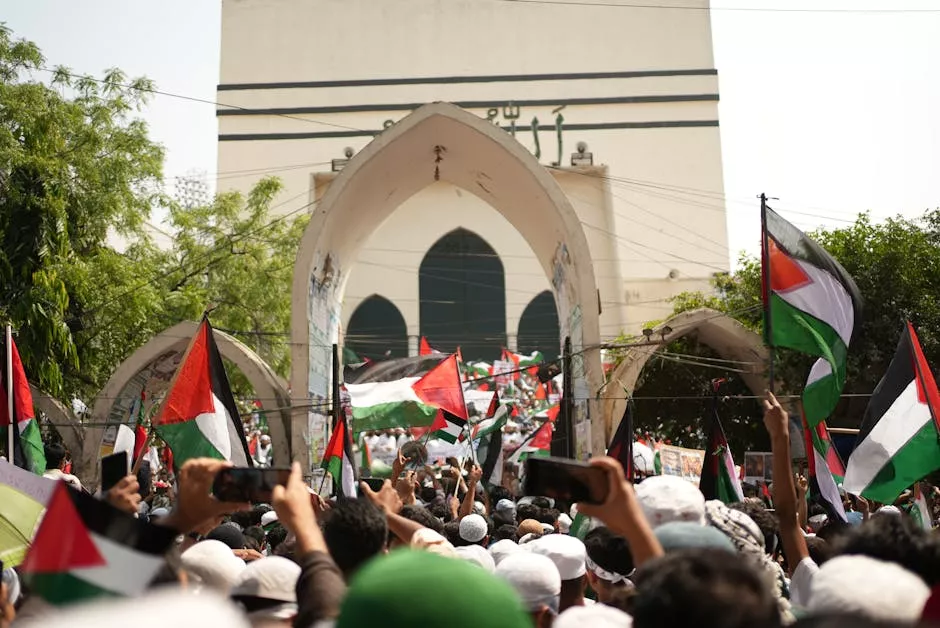
The economic plight has permeated every layer of Iranian society. In recent months, there have been reports of growing protests against rising prices and unemployment. The grievances are notably acute among younger Iranians, whose aspirations are thwarted by stagnant economic growth and dwindling opportunities.
Public discontent is amplified by frustrations over governmental responses—or lack thereof. Analysts suggest that political apathy and economic hardship are fermenting social unrest, casting long shadows on Iran's socio-political landscape.
Facing a Renewed Threat of Conflict
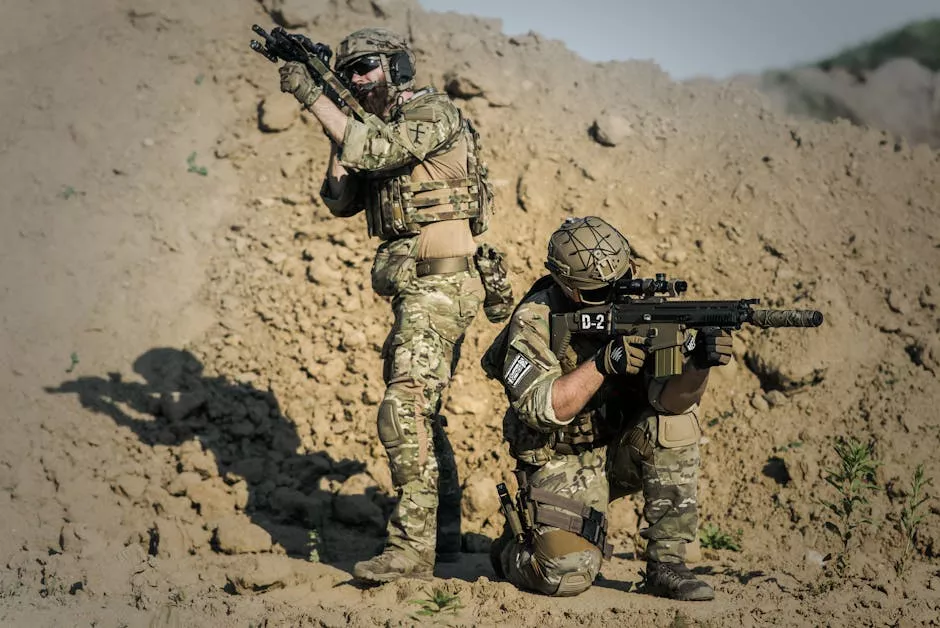
Overlaying this economic distress are the constant reminders of conflict potential. Iran's geopolitical positioning—caught amidst regional rivalries, particularly the ongoing tensions with Israel and the Gulf states—continues to fuel fear of an impending military conflict. The resurgence of hostilities would have dire consequences, threatening to destabilize the entire region further.
Each military maneuver or diplomatic breakdown escalates the risk of conflict, a prospect many Iranians dread amidst ongoing internal hardships. This prevailing uncertainty, coupled with strained international relations, makes ordinary life in Tehran fraught with anxiety.
Regional and Historical Perspectives
Historically, Iran has played a pivotal role in Middle Eastern geopolitics. Its strategic alliances, oil reserves, and military capabilities have often invited both admiration and apprehension. The 2015 nuclear deal, intended to curb Iran's nuclear ambitions while lifting economic sanctions, initially promised relief and integration with the global economy. However, subsequent geopolitical developments have reignited tensions, unraveling much of the progress made.
Regionally, Iran's influence extends through its support for Shia factions across the Middle East, from Hezbollah in Lebanon to the Houthis in Yemen, further embroiling it in complex regional conflicts that shape the landscape of the Middle East.
Geopolitical Implications
The potential for a renewed conflict has wide-reaching geopolitical implications. A military confrontation involving Iran could have disastrous repercussions for global oil markets and energy security, given Iran's role as a major oil supplier. Moreover, it could redraw regional alliances, forcing global powers into a new diplomatic calculus.
As the world watches, the precarious balance between confrontation and diplomacy will define not only Iran's immediate future but also the broader stability of the Middle East.
Why It Matters
The ongoing economic struggles combined with the threat of renewed conflict in Tehran are not just local issues; they hold significant implications for global stability. Iran's vast reserves of petroleum make disruptions in its economy or military engagements a matter of international concern, potentially affecting global oil prices and economic stability. Moreover, increased tensions could further polarize the current geopolitical alliances, drawing in major powers like the United States, Russia, and China into an already volatile region. Readers should watch for any shifts in international diplomacy and potential diplomatic resolutions that may stem from escalating tensions, as these could signal significant changes in both regional and global dynamics.