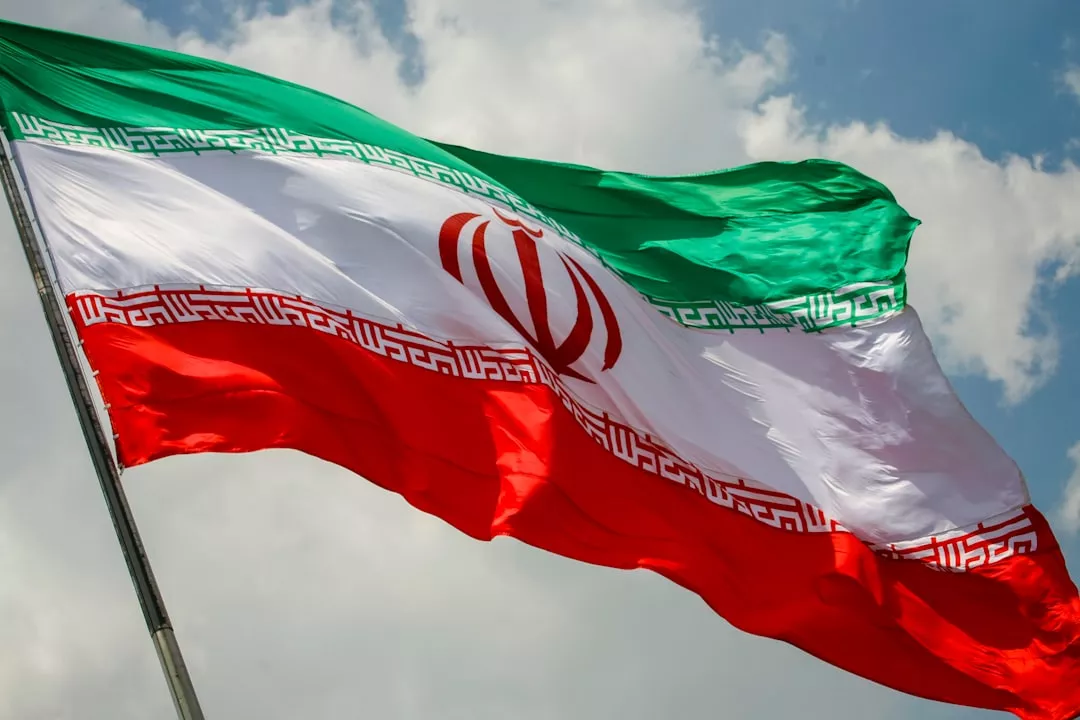
Iran Conflict: Potential Catalyst for Global Food Crisis
The unfolding Iran conflict threatens to disrupt global supply chains, risking a major food shock as factories and markets feel the impact.
Africa & Global Economy Correspondent
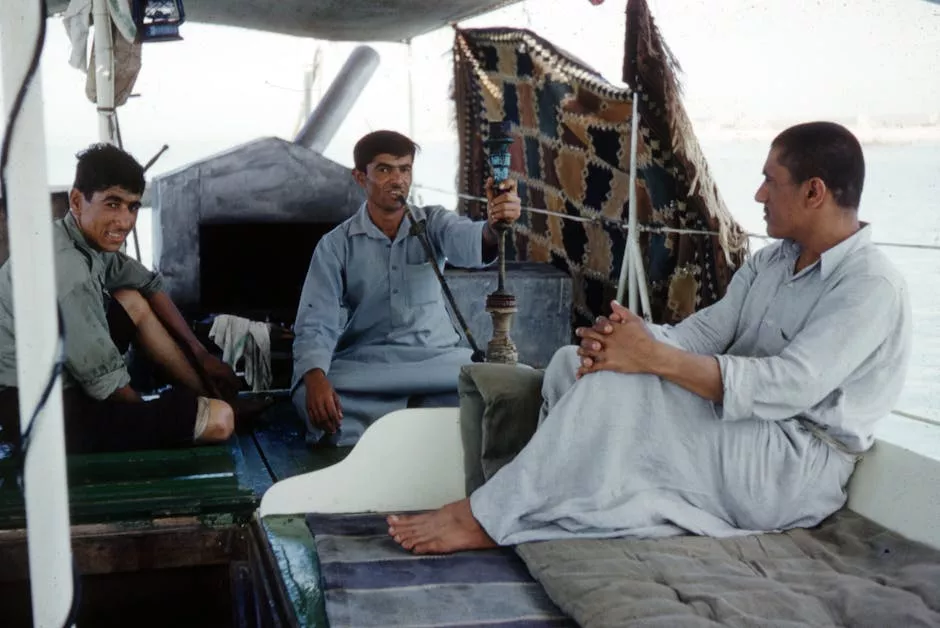
The escalating conflict involving Iran is reverberating across the globe, with potential ramifications extending far beyond the immediate region. Situated in a strategically critical location, Iran's involvement in a broader Middle Eastern conflict has the potential to trigger significant disruptions in global supply chains, potentially setting off a new wave of food insecurity worldwide.
Historical Context and Significance
For decades, the Middle East has been a pivotal area not only geopolitically but also as a crucial node in the world's energy and agricultural supply chains. Iran, in particular, holds a key geographic and economic position. Its proximity to the Strait of Hormuz, a vital artery through which a significant portion of the world's oil supply passes, adds to its global significance.
Historically, tension in this region has led to sharp spikes in oil prices, consequently affecting transportation costs and the broader global economy. Past instances of conflict, such as the Tanker War during the Iran-Iraq conflict of the 1980s, have demonstrated how swiftly escalation can impact global markets.
Regional Perspectives
Neighboring countries in the Gulf Cooperation Council (GCC)—comprising Saudi Arabia, United Arab Emirates, Kuwait, Qatar, Bahrain, and Oman—are closely monitoring the situation. These economies, heavily reliant on energy exports, understand the potential for prolonged instability to affect not only oil prices but also investment flows and regional economic growth.
Elsewhere, nations heavily dependent on food imports could experience severe repercussions. Middle Eastern nations, which rely on stable shipping routes for importing essential goods, might face shortages and increased prices, exacerbating food insecurity. Moreover, countries like Egypt, which is the world's largest importer of wheat, principally from Russia and Ukraine, could see further shocks if the conflict disrupts supply lanes or trade relations.
Geopolitical Implications
The geopolitical outcomes of the ongoing conflict are unpredictable and multifaceted. The realignment of alliances could potentially reshape power structures not just in the Middle East but globally. Russia and China, already key players in Iranian affairs, might leverage the situation to expand their influence, especially if Western powers opt for economic sanctions as a response.
Furthermore, the conflict threatens to exacerbate ongoing global tensions. The United States, which has vested interests in the stability of the region and the security of Israel, may find itself drawn deeper into military and diplomatic obligations, further straining its resources.
Potential for a Global Food Shock
The potential ripple effects on global agriculture are profound. With disruptions in the distribution of fertilizers, on which many farming economies depend, and interruptions in shipping routes, the world could see a food crisis. Countries across Asia and Africa, dependent on affordable imports, could face acute shortages and price hikes.
This situation is compounded by the already fragile recovery from the global pandemic, which has stretched supply chains thin and left little room for absorbing further crises. The current conditions mirror the 2007-2008 food crisis, where high fuel costs led to increased agricultural production costs, causing rising food prices globally.
Preparing for Uncertainty
As the world watches the situation unfold, governments and international organizations must prepare to mitigate the potential fallout. Employing strategic reserves, diversifying import sources, and seeking diplomatic resolutions could help stabilize markets and avert a larger crisis. However, time is of the essence, as prolonged conflict heightens risks and narrows options for peaceful resolution.
Why It Matters
The unfolding conflict in Iran could serve as a catalyst for a geopolitical reshuffle with profound global ramifications. The immediate concern lies in the disruption of critical supply chains, particularly in energy and agriculture, which are already vulnerable in the post-pandemic world. This conflict places additional strain on international relations, especially as countries navigate alliances and strategic interests in a complex web of power dynamics.
Key takeaways for readers include watching for shifts in global oil prices, which will dictate broader economic changes, and monitoring regional diplomatic developments that could lead to either escalation or de-escalation of tensions. Additionally, attention should be paid to international bodies like the United Nations and World Trade Organization, as their roles in mediation and policy-making become increasingly significant in averting a global food crisis.