Hezbollah Faces Unrest as War Ravages Lebanese Strongholds
Hezbollah's firm support base shows signs of weakening as Lebanese communities endure hardships brought on by ongoing conflict.
Defense & Security Editor
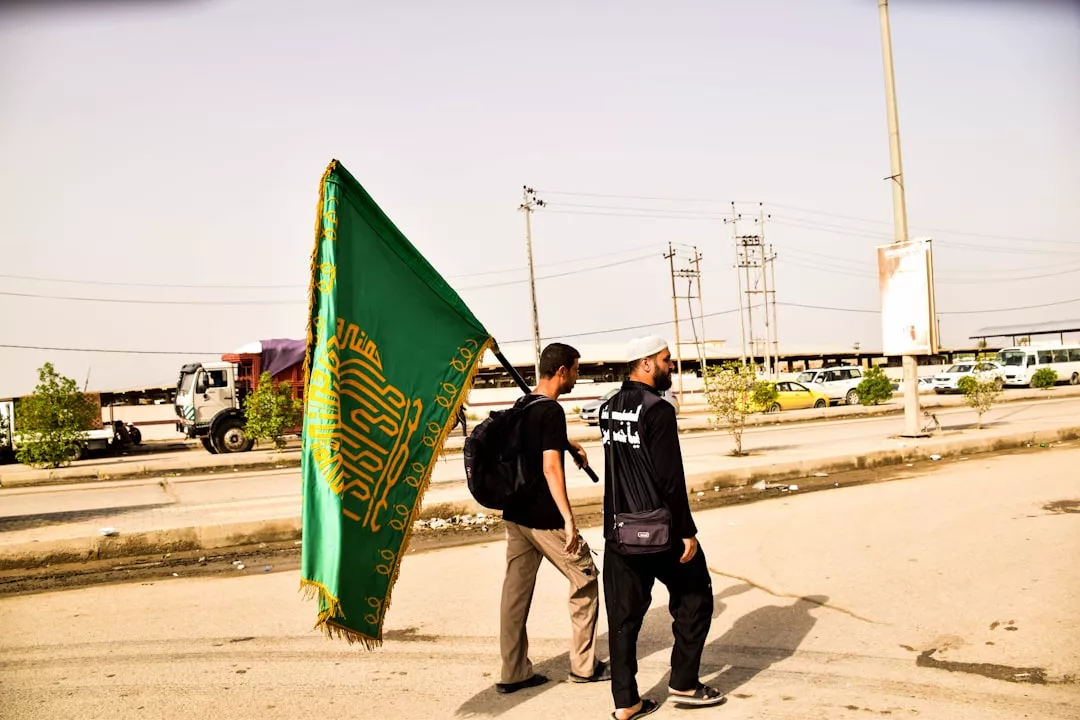
In the heart of Lebanon, a war-weary population grapples with the relentless cost of conflict. For decades, Hezbollah has stood as a formidable force, both politically and militarily, within the region. Yet, as the latest round of hostilities unfurls, even the staunchest supporters express growing discontent, signaling potential shifts in the group's foundational support.
Historical Context and Current Situation
Since its inception in the early 1980s, Hezbollah has portrayed itself as a protector of Lebanese interests against external threats, notably from Israel. The group's military engagements, spanning from the 2006 Lebanon War to active involvement in the Syrian Civil War, have been justified under the guise of national security. However, this wartime narrative strains under current circumstances.
The recent uptick in conflict forces many supporters into dire situations. A Lebanese man, forced to evacuate amid intense fighting, encapsulates the exhaustion felt by many. 'We just want to be back in our homes,' he laments, his hope for a return to normalcy shared by countless displaced residents.
Regional Repercussions
Lebanon’s delicate socio-political balance is further disrupted by ongoing battles. Previously, Hezbollah's military prowess was an asset, unifying a fragmented nation against common adversaries. Today, the sustained economic crisis, exacerbated by the war, weakens this resolve.
Sectarian lines, which Hezbollah once bridged through a mix of social, financial, and military support, reveal growing fractures. The ripple effects extend beyond socio-economic domains, influencing Lebanese politics where dissenting voices amplify calls for domestic reform.
Geopolitical Implications
The destabilization of Hezbollah's support base carries significant geopolitical consequences. Regionally, Gulf states, historically opposed to Hezbollah, may see this as an opportunity to recalibrate their strategic postures in Lebanon. Internationally, the shifting dynamics further complicate peace efforts in the Middle East.
For countries like Iran, which have fortified Hezbollah’s arsenal and backing for years, internal Lebanese dissent is a concerning development. The potential reduction in Hezbollah's influence would not only disrupt Iran's strategic reach but could shift alliances across the Middle East, impacting negotiations and power distributions.
Potential for Change
Whether Hezbollah can maintain its influence hinges on addressing the grievances of its base. The group's response to demands for immediate economic relief, infrastructure development, and political reform will determine its future role. However, remedying these issues in a war-torn, resource-depleted country presents a Herculean task.
For the Lebanese citizens feeling the brunt of war, swift change seems elusive. The international community's role grows in urgency, as third-party interventions may be instrumental in facilitating dialogue and fostering regional stability.
Why It Matters
Why does this matter? Hezbollah's waning support base signals potential shifts in Middle Eastern geopolitics. As one of the most powerful non-state actors, changes in Hezbollah’s influence can recalibrate power balances in a region teetering on the edge of conflict.
The firm's grip on Lebanese politics, traditionally powerful, faces challenges as societal pressure mounts for reform, potentially reshaping domestic policies. Internationally, this could alter Iran's regional influence, impacting negotiations on broader geopolitical issues such as nuclear accords and counter-terrorism efforts.
As the Middle East navigates these changes, observers should watch for Hezbollah's next moves—whether it will adapt with reformative strategies or double down on its traditional military approach will determine Lebanon's trajectory and the broader area's stability.