Global May Day Marches: Voices Rising Against Inequality
Worldwide May Day marches highlight economic struggles and social justice issues, reflecting diverse regional challenges and aspirations.
Africa & Global Economy Correspondent
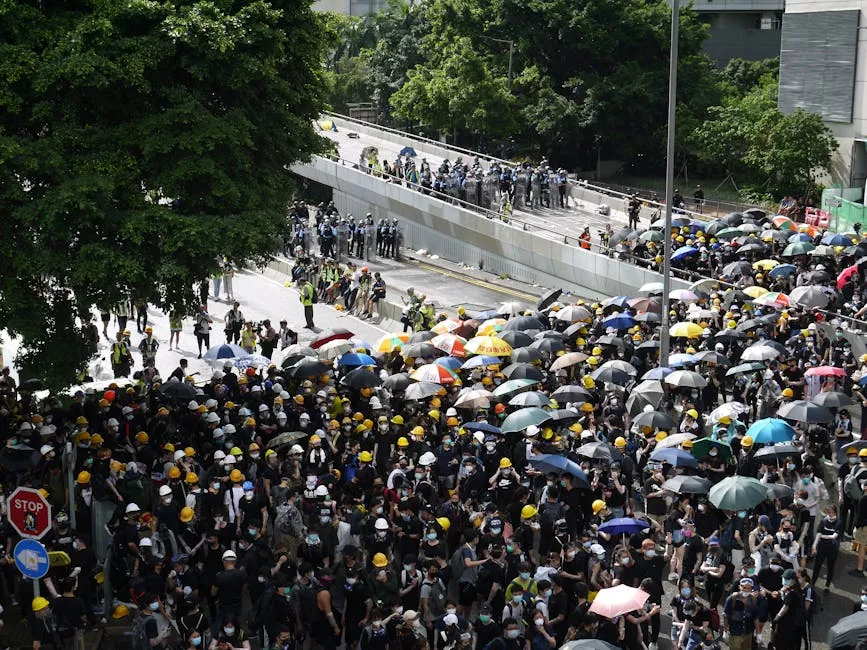
On May 1st, societies across the globe unite to celebrate International Workers' Day, also known as May Day. Originally rooted in the labor movement's calls for better working conditions and the eight-hour workday, today's marches echo with a broader demand for social justice, economic equity, and human rights.
The Historical Context of May Day
The origins of May Day trace back to the late 19th century, most notably with the Haymarket Affair in Chicago, where workers campaigned vehemently for the eight-hour workday. Over time, May 1st has evolved from a predominantly labor-centric holiday into a global observance used to call for equality and improved social policies.
Regional Perspectives
Europe: A Continent Unites for Workers' Rights
In Europe, May Day is a significant event that unites diverse political and social groups. This year, marches in cities like Berlin, Paris, and Madrid emphasized the need to tackle wage stagnation, unemployment, and the aftereffects of austerity measures that have gripped the continent over the past decade.
The European Union is currently dealing with a rise in nationalist movements, often promoting inward-looking policies that challenge international labor standards and cross-border solidarity. Yet, these marches demonstrate the populace's enduring commitment to worker solidarity across borders.
Americas: Highlighting Inequality
In the United States and Latin America, May Day marches historically spotlight labor movements, but recent years have seen an expanded focus. In the U.S., kitchen-staff workers, teachers, and service industry employees are vocal about disparities exacerbated by the COVID-19 pandemic, which has widened the gap between the rich and the poor even further.
South of the border, in regions like Mexico and Brazil, the marches are becoming platforms to protest against corruption, demanding better governance and equitable wealth distribution amid burgeoning economic challenges.
Africa and Middle East: The Struggle for Stability
African marches this year echo the urgent calls for political reform and corruption eradication in countries like Nigeria and South Africa. The demands often extend beyond mere economic rights to encompass broader social reforms and combatting systemic injustice.
In the Middle East, particularly in countries like Lebanon and Egypt, May Day rallies highlight the ongoing struggle against economic mismanagement, inflation, and unemployment, with citizens taking to the streets to demand meaningful change in government policies.
Indo-Pacific: Demanding Democratic Reforms
In places like India, Indonesia, and the Philippines, workers gather on May Day to demand enhancements to labor rights, oppose authoritarian measures, and advocate for freedom of speech. As economic power shifts towards the Indo-Pacific region, the influence of such rallies grows, with regional leaders facing increased pressure to address both local and global trade practices and labor rights.
Geopolitical Implications
May Day serves as a potent reminder of the interconnectivity of global issues such as income inequality, migration, and social justice. While local contexts may vary, the universal themes resonate globally, providing a platform to call for collaborative governance and shared prosperity.
From addressing the need for sustainable economic policies to navigating the complexities of international trade relations, these marches symbolize a growing global consciousness that refuses to allow borders to define the limits of social justice advocacy.
Why It Matters
Why It Matters
May Day marches underscore the interconnected nature of today's global challenges, with personal struggles in job security, economic inequality, and labor rights resonating worldwide. These demonstrations reflect a broader demand for policy reforms and equitable global economic structures, which, if addressed, have the potential to stabilize societies and promote peace. The persistence and spread of May Day rallies highlight a rising urgency for governments to address grievances that are not only local but have global implications. Readers should watch for how these demonstrations influence policymaking and international labor standards, which are crucial for fostering long-term global stability and equality.