Mass Protests Erupt in Germany Against Right-Wing AfD Events
Thousands demonstrate in Dortmund and Düsseldorf against Björn Höcke's participation in AfD events, highlighting fierce opposition within Germany.
International Relations Correspondent
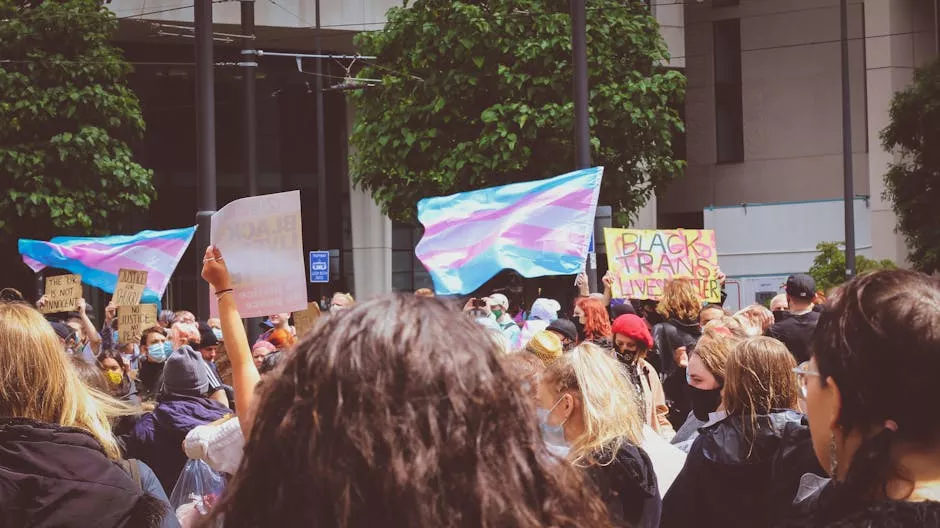
Recent demonstrations in Germany against the far-right Alternative for Germany (AfD) party signal significant unrest and political division. Over 3,000 individuals gathered in Dortmund on Sunday, expressing their disapproval of renowned AfD politician Björn Höcke's attendance at a scheduled event in the city's town hall. Similar scenes are anticipated to unfold in Düsseldorf, where even larger numbers are expected to protest on Monday.
Background on Alternative for Germany (AfD)
Founded in 2013, the AfD emerged initially as a Eurosceptic party but quickly shifted toward a right-wing, anti-immigration stance. It has capitalized on sentiments opposing Chancellor Angela Merkel's open-door policy during the 2015 migrant crisis, gaining notable electoral success by voicing nationalistic and Eurosceptic rhetoric. However, this shift has sparked intense controversy both within Germany and abroad, provoking widespread criticism and protest.
The Controversial Figure of Björn Höcke
Björn Höcke, a prominent member of the AfD and leader of its far-right faction known as 'Der Flügel', has a reputation for his provocative comments and hardline stance on immigration. His rhetoric often draws criticism for echoing nationalist tones reminiscent of Germany's troubling past, polarizing public opinion. His invitation to the event in Dortmund was seen as a provocative act by many citizens, leading them to the streets to express their disapproval.
Demonstrations in Dortmund and Düsseldorf
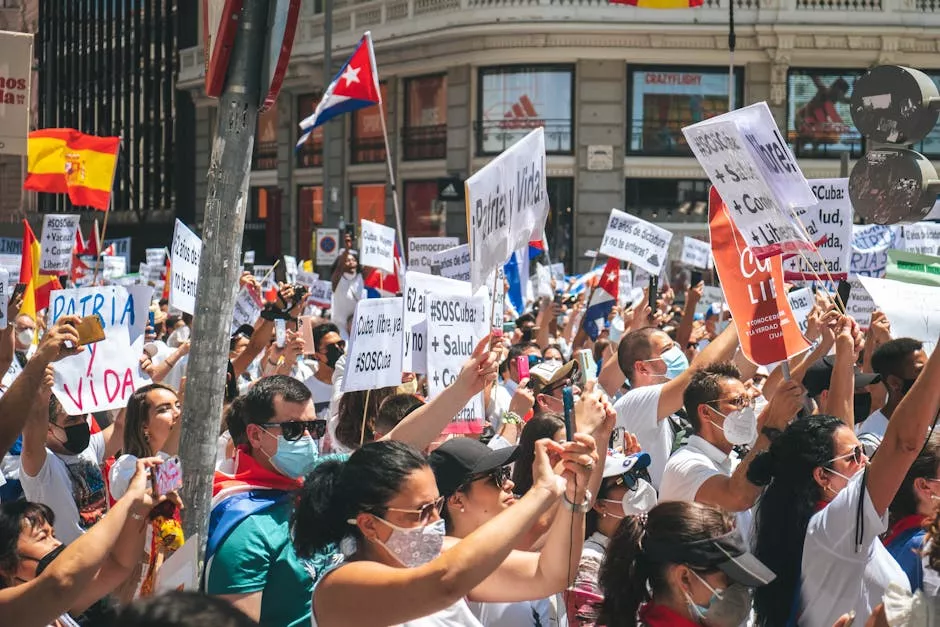
The protests in Dortmund were characterized by a diverse coalition of demonstrators, including political activists, community leaders, and everyday citizens, all unified in their opposition to the AfD's policies and Höcke's controversial stance. Participants carried banners with slogans demanding equality, tolerance, and a rejection of hate, embodying a widespread call for unity against division.
In Düsseldorf, anticipation is building for an even larger turnout. Local organizers have been actively campaigning across social media platforms to maximize participation, with numerous civic bodies, political groups, and NGOs lending their support. These demonstrations reflect a broader resistance within Germany against the normalization of far-right ideologies.
Historical Context and Democratic Resilience
Germany's painful history with extremism fuels its contemporary resistance to far-right movements. The nation's rigorous commitment to preserving democratic values and human rights stands as a bulwark against ideologies perceived to threaten societal harmony. The protests exemplify this resilient spirit, serving as a testament to Germany's resolve to never return to its darker chapters.
Geopolitical Implications
The ongoing tribulations surrounding the AfD in Germany have substantial repercussions for the broader European landscape. As right-wing movements gain momentum throughout Europe, the events in Germany resonate beyond national borders. Countries across the continent closely monitor these developments, aware that the resurgence of far-right ideologies could shape EU's political dynamics.
Moreover, Germany's internal struggles reflect broader global challenges to liberal democracies. The rise of populist, nationalist ideologies calls for vigilance among democratic nations to safeguard institutions and uphold fundamental rights against polarizing forces.
Why It Matters
The protests against the AfD and Björn Höcke in Germany underscore a significant domestic struggle with far-reaching global implications. As right-wing ideologies gain traction internationally, the overt resistance witnessed in Germany highlights a critical defense of democratic values and social cohesion. This event is pivotal in the ongoing battle against polarization, offering a case study for other nations grappling with similar challenges. Observers should closely monitor the narrative developments across Germany as these events may shape political discourse and influence democratic resilience strategies in other regions.