US Intervention in Iran: A Double-Edged Sword for Protesters
Iranians hope for US intervention amidst internal strife, yet fear external meddling may not yield the desired peace and democracy.
Africa & Global Economy Correspondent
The Dilemma of US Intervention in Iran: Perspectives Inside and Out
The question of whether the United States should intervene in Iran remains a contentious topic among Iranians, both within the country and abroad. The ongoing protests in Iran have drawn international attention, with calls for reforms and an end to authoritarian practices. However, a segment of the Iranian populace, especially those directly affected by the regime's policies, is divided on whether American intervention is the solution that will lead to peace.
Protests in Context
Iran, a nation rich in cultural heritage and economic potential, has been embroiled in political turmoil for decades. The recent wave of protests, driven by economic hardship and calls for political reforms, echoes the challenges faced by Iranians who yearn for a more democratic society. The Iranian government’s response has been a combination of restrictive measures and promises of change, leaving many citizens skeptical of any genuine progress.
The recent unrest was sparked by multiple factors, including grievances over economic mismanagement, systemic corruption, and the curtailment of freedoms. The US, historically at odds with the Iranian government since the 1979 Islamic Revolution, has expressed support for the protesters. However, this support raises questions about whether external intervention could indeed foster the change protesters seek.
The Case for Intervention
Proponents of US intervention argue that American involvement could put international pressure on the Iranian regime, potentially leading to substantive reforms. They highlight past instances where US influence has encouraged democratic movements, suggesting that similar support could benefit the Iranian people.
For many Iranians, especially those facing persecution, US aid represents a hope for liberation from an oppressive regime. The country's younger generation, increasingly vocal on social media, often looks to Western nations for support, hoping that international attention will catalyze change.
Concerns About External Influence
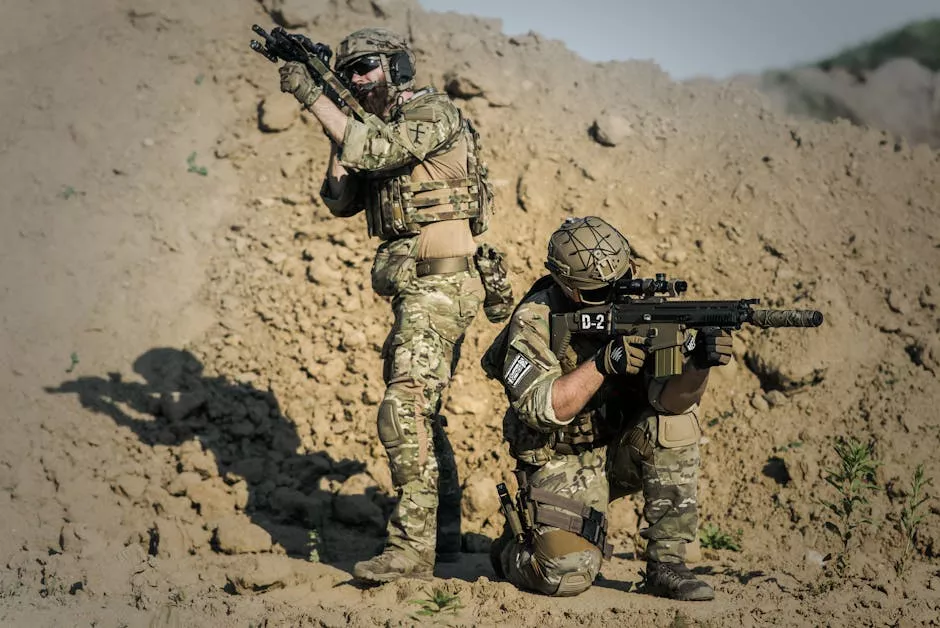
On the other hand, there is significant concern that US intervention could exacerbate existing tensions or be perceived as neocolonial interference. Critics caution that external involvement might not respect Iran's sovereign aspirations and could lead to unintended consequences, such as increased regime retaliation or even a larger regional conflict.
Historical precedents in the Middle East present cautionary tales. The US's interventions in Iraq and Afghanistan have been met with mixed outcomes, often leading to prolonged instability rather than peace. Iranians wary of a similar fate urge for a more measured, internal-led approach to reform.
Geopolitical Implications
The geopolitical landscape further complicates the situation. Iran's strategic position in the Middle East, coupled with its antagonistic stance toward US allies like Israel and Saudi Arabia, makes any US actions critically sensitive. Regional powers and international observers watch closely, aware that changes in Iran could ripple through the entire Middle East.
Moreover, Iran's alliances with Russia and China introduce additional layers of complexity. Any US intervention would not only strain diplomatic relations with these powers but could also escalate into a broader geopolitical confrontation. Such prospects weigh heavily on the decisions of policymakers considering intervention strategies.
In conclusion, Iranians remain divided over the potential for US help. The path forward is fraught with uncertainty, and while some see intervention as a beacon of hope, others fear it could further entrench the challenges they face.
Why It Matters
Why It Matters
The debate over US intervention in Iran holds profound implications for regional and global geopolitics. Iran's strategic position and vast resources make its internal stability a matter of international concern. Intervention could reshape alliances, alter power balances, and influence global energy markets. The broader significance lies in balancing international support with respect for national sovereignty and addressing the root causes of Iran's internal unrest. Observers should watch for shifts in US policy, regional reactions, and how Iranian voices influence the global narrative on intervention and reform.