Violence Erupts in Northern Nigeria: 32 Dead in Village Attacks
At least 32 people were killed during motorbike raids in north-west Nigeria’s Niger state by armed assailants, inciting regional security concerns.
Africa & Global Economy Correspondent
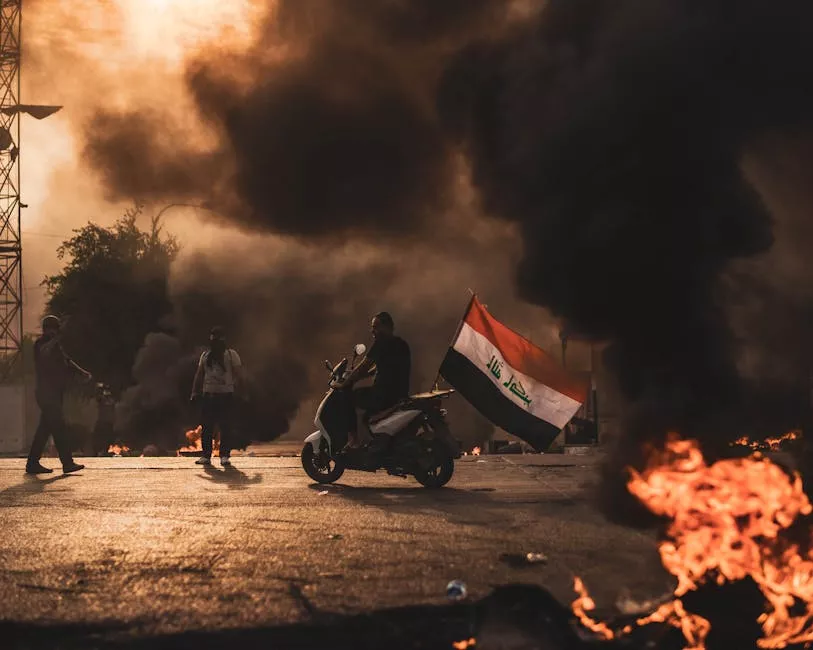
Rampant Violence Shakes North-West Nigeria
In the early hours of Saturday, residents of Tunga-Makeri, Konkoso, and Pissa villages in north-west Nigeria awoke to a nightmare. Armed assailants, riding on motorbikes, infiltrated their communities, leaving a trail of destruction and despair. Eyewitnesses recount harrowing scenes of indiscriminate shooting and arson, which resulted in the deaths of at least 32 civilians and the devastation of property, including homes and local shops.
The Plight of Vulnerable Communities
Northern Nigeria has long been a hotspot for violence and instability. The region, characterized by vast rural areas and stretched security forces, has increasingly become a target for bandit groups that operate with seeming impunity. These groups, often concealed by the region’s challenging terrain, have disrupted lives, displaced populations, and exacerbated food insecurity through their actions.
The attackers, described by survivors as ruthless, unleashed terror in a coordinated manner, aiming to instill fear and assert control over these communities. Residents who managed to escape have shared vivid accounts of the onslaught, emphasizing the urgent need for effective security intervention.
A Deeper Historical Context
Nigeria, Africa’s most populous nation, is no stranger to conflict. Historical ethno-religious tensions, economic disparities, and political corruption have created a fertile ground for various violent groups. In recent years, the rise of Boko Haram and its offshoot, the Islamic State in the West African Province (ISWAP), have contributed to the already volatile security situation.
The northwest region, facing frequent clashes between herders and farmers, has been further destabilized by groups seeking to exploit the lack of governance. This latest attack is a grim reminder of the persistent threat these areas face and highlights the complexity of Nigeria’s security challenges.
Implications for Regional Stability
This violent episode holds significant implications not just for Nigeria, but for the entire West African region. The unchecked activities of armed groups can potentially spread beyond borders, threatening neighboring nations with similar vulnerabilities. As Africa’s largest economy, Nigeria's stability is crucial for regional growth and security.
Efforts by the Nigerian government to establish peace in such volatile regions have often been thwarted by inadequate resources, corruption, and the multifaceted nature of the threat. Greater collaboration with international partners and regional organizations may provide a pathway to more sustainable solutions.
The Path Forward
Nigeria faces a daunting task in addressing these complex security issues. The government’s recent military campaigns against armed groups have yielded mixed results, often displacing the problem rather than resolving it. Comprehensive strategies emphasizing community engagement, intelligence-driven operations, and socio-economic development are essential in curbing the influence of these groups.
As the international community watches closely, it is imperative that swift action is taken to prevent further atrocities and to ensure the safety and dignity of Nigeria’s vulnerable populations. Failure to do so risks not only national disruption but contributes to the broader insecurity in West Africa.
Why It Matters
Why It Matters
This attack underscores the critical security challenges facing Africa’s most populous nation. With Nigeria's role as a regional power in West Africa, continued instability could have far-reaching implications, threatening economic stability and security across the region. The persistence of such violent acts indicates the urgent need for international collaboration aimed at strengthening local governance, improving intelligence-sharing, and enhancing the capabilities of affected states to ensure peace and security. Observers should watch for Nigeria's response and whether it involves strategic international partnerships or internal military maneuvers to combat this rising tide of violence.