Protests Erupt in Albania as Demands Mount for PM Rama's Resignation
Violence near Albania's parliament underscores growing discontent as citizens call for PM Rama's accountability in alleged corruption.
International Relations Correspondent
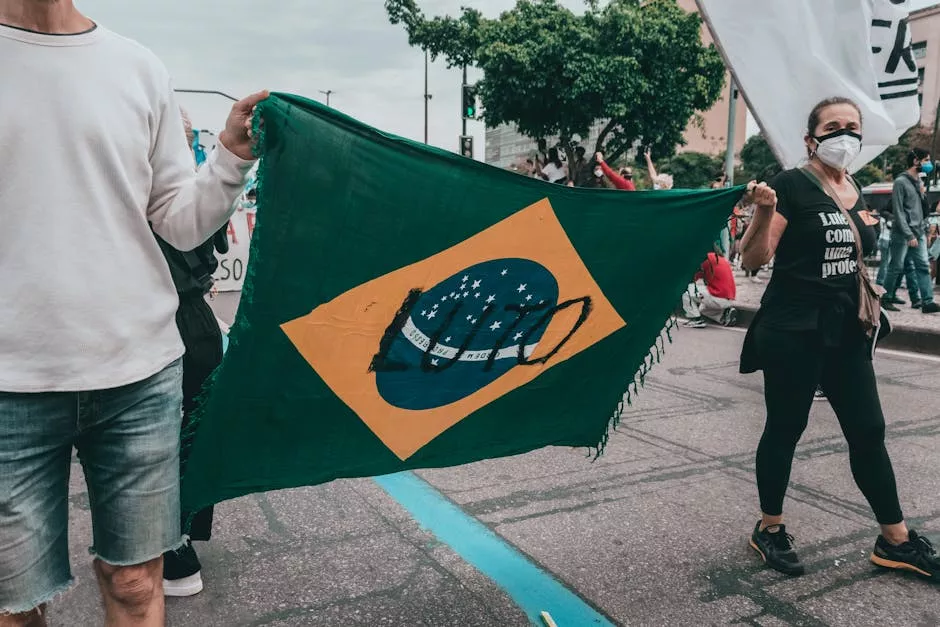
Albania has become a hotbed of political unrest as thousands of protesters surged towards the parliament building, demanding the resignation of Prime Minister Edi Rama. The demonstrations, fueled by allegations of corruption within the highest ranks of government, have escalated into violent confrontations, highlighting a persistent discontent among the populace.
Backdrop of Allegations
The catalyst for this recent surge in civic action traces back to a corruption investigation that has entangled several government officials. Accusations of embezzlement and misuse of power have been levied, shaking public confidence in the administration. The opposition claims that these allegations are symptomatic of systemic corruption.
Western governments and international organizations have expressed concern over the developments, with many calling for a thorough and transparent probe. The situation recalls various historical instances where Albanian politics were marred by scandal, yet the current scale of civil unrest is unprecedented in recent years.
Regional Repercussions
Albania, a Balkan country with a strategic location in Southeastern Europe, has historically navigated complex political narratives due to its proximity to key regional players. As Albania is a NATO member and seeks stronger ties with the European Union, these protests have broad implications for its political alliances and regional aspirations.
The unrest comes at a critical time for Albania's EU accession talks, which have been contingent upon demonstrating stability and a commitment to democratic reforms. Political instability could act as a stumbling block to any progress, urging regional allies to advocate for appeasement and resolution.
Geopolitical Implications
Beyond Albania's borders, the protests have caught the attention of international observers who are wary of cascading instability in the Balkans. The region's history of ethnic and political tensions adds a layer of complexity, with foreign governments particularly attentive to any signs of further destabilization.
Russia and other countries that have historically wielded influence in the Balkans may see this as an opportunity to assert their diplomatic power, creating a geopolitical chessboard replete with potential conflicts of influence.
Historically, Albania has striven to align itself with Western ideologies and practices, but current events might recalibrate its foreign policy if continued unrest leads to shifts in leadership or policy direction.
Public Sentiment and Government Response
The Albanian government's response has been to promise a crackdown on corruption, while emphasizing the need for dialogue to address public grievances. Nonetheless, the opposition remains skeptical, demanding immediate accountability and calling for new leadership through democratic elections.
Public sentiment seems to balance precariously between the desire for reform and frustration at the slow pace of change. Many Albanians voice fear that if reforms are not swiftly enacted, the country might spiral into deeper political turmoil.
As the international community watches, it remains to be seen whether these protests will culminate in meaningful policy changes or devolve further into chaos.
Why It Matters
Why It Matters: The protests in Albania are a bellwether for broader regional dynamics in the Balkans. As a NATO member seeking EU accession, Albania's internal stability is critical not just for its people, but for regional security and integration. These events could strain Albania’s diplomatic ties, hinder economic growth, and impact regional cohesion. Observers should monitor the government's response, foreign diplomatic reactions, and potential shifts in policy or leadership that could reverberate through the Balkan peninsula and beyond.