France's Local Elections: A Key Test for Far-Right Influence
France's local elections serve as a crucial test of strength for the far-right, with a major focus on Paris's mayoral race.
International Relations Correspondent
As France heads to the polls for local elections, the political landscape is under close scrutiny with significant implications for the upcoming presidential race in 2022. These elections are not only a snapshot of current political sentiment but also a critical opportunity for parties to solidify their influence ahead of next year's national contest.
At the heart of this political exercise is the fierce contest for the mayorship of Paris. Held by the Socialist Party's Anne Hidalgo since 2014, the mayoral seat is highly coveted and considered a bellwether for broader political currents. Hidalgo's leadership has been characterized by ambitious urban transformation projects but also chafed by criticism over rising pollution and traffic congestion.
The Rise of the Far-Right
History shows that local elections in France often serve as a barometer for national mood. Currently, the far-right party, led by Marine Le Pen of the National Rally, is seeking to capitalize on public discontent stirred by issues such as immigration and security. Le Pen’s party has historically struggled to convert its considerable national support into local control, often failing to appeal in regional contexts where governance and local issues take precedence over broader ideological battles.
Recent polls suggest the National Rally could increase its share of local governance if it manages to translate its national platform into local success. This presents a dual challenge: broadening its appeal while maintaining the hardline stance that has secured its national following.
Focus on Paris
The contest in Paris is receiving significant attention, given the city's symbolic and strategic importance. Beyond its role as France's capital, Paris is a microcosm of the broader challenges the nation faces, from economic inequality to environmental sustainability.
Should the far-right succeed in making substantial gains, it could shift the city's political dynamics and influence future national policies, reflecting a broader European trend where right-wing parties have gained momentum.
Historical Context and Regional Implications
Historically, France has seen its political pendulum swing widely, with preferences shifting dramatically between elections. The current elections will also be viewed in the context of President Emmanuel Macron's centrist platform, which has often been criticized for alienating traditional left and right-wing voters.
Macron's policies, including labor reforms and economic strategies, have faced both domestic and international challenges. A strong showing for his party would affirm support for his administration. Conversely, significant gains by the far-right could foreshadow challenges for Macron's expected re-election bid.
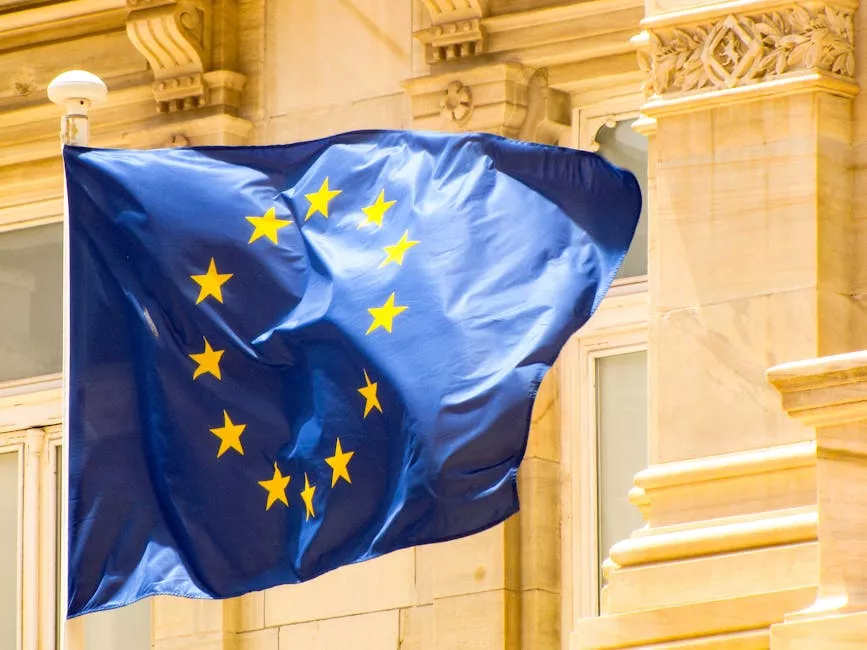
Regionally, France's elections are closely watched by European neighbors due to the country’s pivotal role within the European Union. A rightward shift in France could alter the balance of power within the EU, influencing policies on immigration, security, and economic coordination.
The Broader Geopolitical Landscape
The stakes extend beyond France's borders, affecting European politics and potentially reshaping alliances. A stronger far-right presence in France would have implications for EU unity, especially as the bloc grapples with post-Brexit dynamics and the ongoing challenges posed by external geopolitical threats.
These elections will be a stepping stone, setting the stage for the complex electoral battles and ideological skirmishes of 2022. Observers will be carefully watching the results for clues about the trajectory of France’s political future and the attendant ramifications for Europe and the broader Western alliance.
Why It Matters
These local elections in France are not just a precursor to the 2022 presidential contest; they hold substantial geopolitical significance. With the far-right aiming to make inroads, the elections could redefine France's domestic and international agenda. Should Marine Le Pen's National Rally gain traction, France might adopt a more isolationist or nationalist stance, impacting EU policies on immigration and security. The results will serve as an indicator of whether France might pivot towards more extreme political ideologies, a shift that could influence governance across Europe. Watching these elections will provide critical insights into the evolving political landscape and potential shifts in European power dynamics.