Has Europe Lost its Influence in Iran Diplomacy?
Europe once led Iran diplomacy, brokering the 2015 deal. Now, as tensions rise, its influence wanes. Can the EU reclaim its role?
Middle East & Diplomacy Specialist
Introduction
Europe, historically a linchpin in diplomatic negotiations with Iran, played a pivotal role in the creation of the 2015 Joint Comprehensive Plan of Action (JCPOA), an agreement aimed at curtailing Iran's nuclear ambitions. Today, however, the European Union finds itself sidelined, grappling with diminished influence amid renewed geopolitical tensions involving Iran. As questions emerge about the EU's ability to shape events in the region, it is crucial to explore how this shift occurred and what it means for future negotiations.
Historical Context
The JCPOA marked a high point in European diplomatic efforts. Brokered in part by the EU, the agreement saw Tehran agree to limit its nuclear activities in return for sanctions relief. The deal was considered a triumph of multilateral diplomacy and demonstrated Europe's capacity to mediate between Iran and other global powers, including the United States. However, when the Trump administration unilaterally withdrew from the agreement in 2018, tensions reignited, leaving Europe struggling to maintain any momentum.
European Challenges
Several factors have contributed to Europe's declining influence. Firstly, the EU's inability to counteract the U.S. pullout and reinstate its vision for the JCPOA left it appearing ineffective. Secondly, Europe's internal divisions and varying degrees of investment in Middle East policy have often hampered unified action.
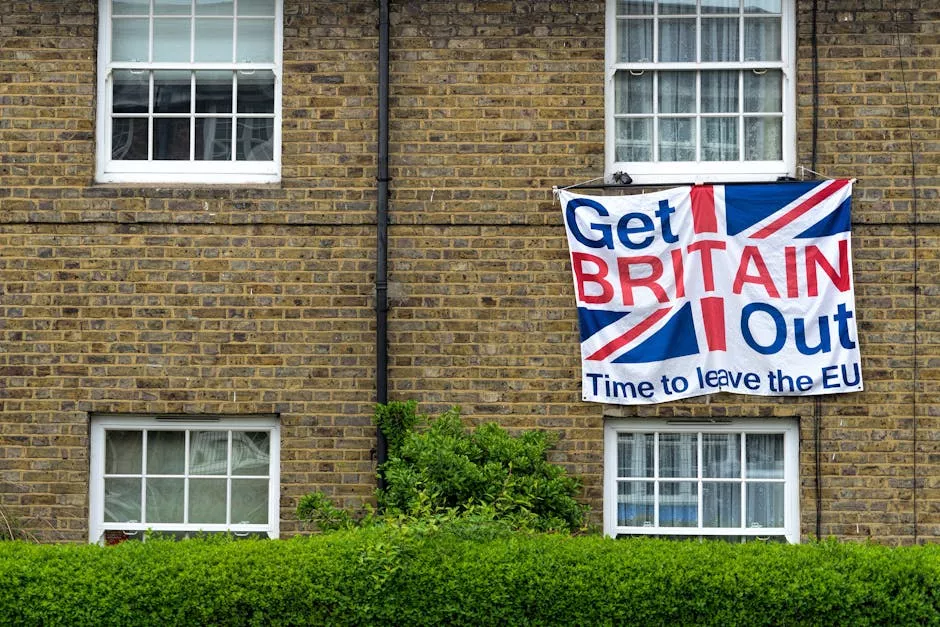
Moreover, pressing domestic issues such as Brexit and economic challenges have diverted attention and resources away from foreign policy objectives. The COVID-19 pandemic also shifted priorities, further complicating the EU's ability to engage robustly in external crises.
Current Regional Dynamics
Iran's ongoing enrichment of uranium and the recent uptick in regional tensions have added complexity to the EU's position. Middle Eastern countries, including Israel and Saudi Arabia, have hardened stances, complicating diplomacy. Europe's historical partners in the region are increasingly leaning towards alternative alliances, with nations like Russia and China enhancing their own roles in Iran.
This shifting regional landscape has significant implications. While Europe's diplomatic clout wanes, Iran's alliances with non-Western powers challenge Western influence, including that of the EU, which must now vie for relevance in a competitive sphere.
Geopolitical Implications
Europe's reduced role in Iran negotiations has broader geopolitical consequences, affecting its standing on the global stage. The EU risks being perceived as an impotent actor in the Middle East, a reputation that could undermine future diplomatic initiatives in other regions.
Additionally, this dilution in influence might embolden Iran to continue its nuclear pursuits unabated, exacerbating regional instability. Such developments wouldn't just impact Europe; they could trigger a ripple effect jeopardizing global security.
Conclusion
As the EU grapples with its role in a crisis that once saw it as a key mediator, questions about its future effectiveness in global diplomacy abound. Can Europe adapt and reclaim its authoritative posture, or is it destined to remain on the periphery, a bystander to the machinations of stronger powers? The answer could define the continent's diplomatic legacy in the coming years.
Why It Matters
The sidelining of Europe in Iran's ongoing nuclear dilemma underscores a significant shift in global power dynamics. As the EU grapples with internal challenges, the coherence and authority it once wielded is noticeably waning. For the broader geopolitical landscape, this diminishment illustrates a troubling trend; Western coalitions, traditionally dominant in international diplomacy, are losing ground to emergent multipolar influences. This transformation has implications far beyond Europe and the Middle East. It may herald a new era in which regional actors and alternative global powers play increasingly decisive roles, influencing outcomes that were once the preserve of Western diplomacy. Observers should closely watch developments in EU foreign policy strategies and any signs of recalibration, as these could hint at Europe's attempts to reassert its influence in this evolving context.