EU Budget Standoff: Key Challenges and Future Implications
The EU's long-term budget debate intensifies as institutions push for more funds while member states weigh the consequences of increased spending.
Defense & Security Editor
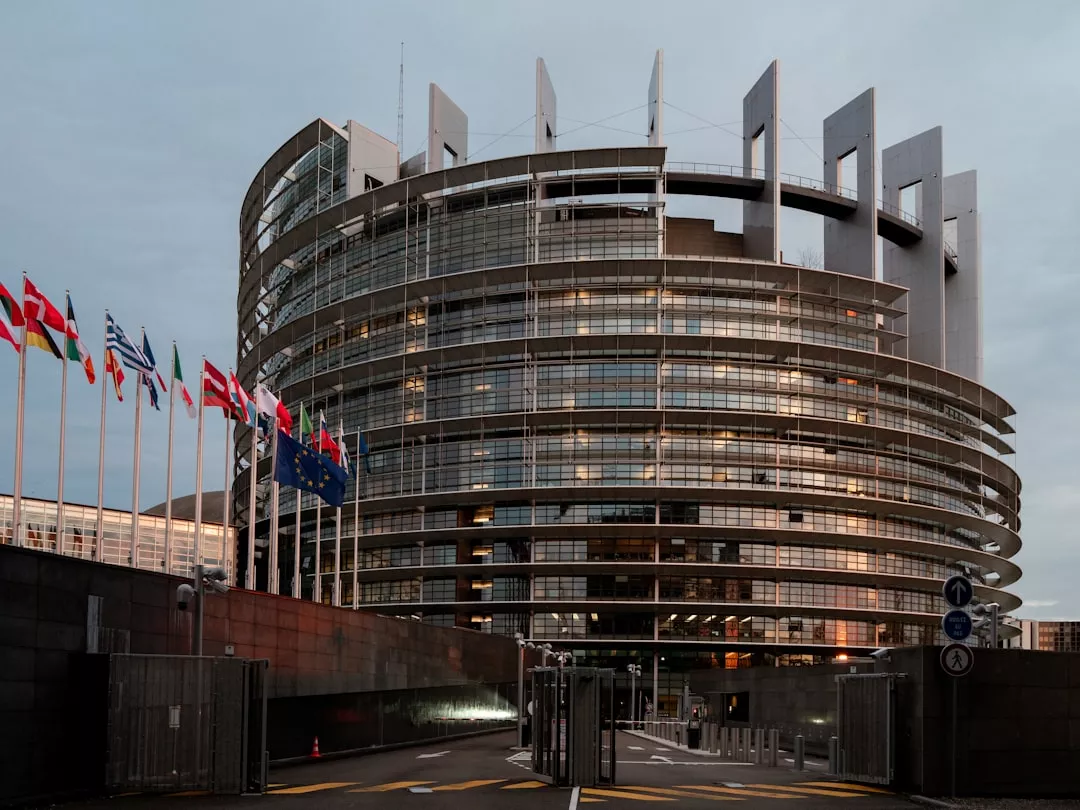
The European Union is once again at a crossroads, as discussions over its next long-term budget—the Multiannual Financial Framework (MFF)—ignite significant controversy among its 27 member states. This budgetary cycle, which will shape the EU's financial landscape for the 2021-2027 period, faces unprecedented scrutiny amidst calls for increased funding by the EU institutions themselves.
The Core of the Budgetary Debate
At the heart of this budgetary battle are several critical sticking points. Principally, EU institutions including the European Commission and European Parliament have pushed for a more expansive financial plan to address a range of strategic goals—climate change, digital transformation, post-pandemic recovery, and strengthening the EU's geopolitical stance.
The European Commission has proposed a budget of approximately 1.1 trillion euros, representing a substantial increase aimed at modernizing the EU’s pivotal functions. The Parliament has typically advocated for an even more robust plan, emphasizing the importance of ensuring sufficient funds to meet new challenges.
Member States' Perspectives
However, gaining consensus among the member states remains a formidable challenge. Countries like Germany and France, the EU's largest economies, are generally supportive of increased spending but remain cautious about the distribution mechanisms and oversight to ensure fiscal responsibility.
On the other end, the so-called 'Frugal Four'—Austria, Denmark, the Netherlands, and Sweden—have voiced their concerns about escalating contributions without clear benefits to their national interests. These countries have consistently urged for budgetary restraint, arguing for a more balanced allocation that reflects both contributions and potential returns.
Historical Context of EU Budget Negotiations
Historically, EU budget negotiations have always been contentious. The MFF negotiations are inherently complex due to the unanimity requirement, which means any member state can veto the proposal. Historically, budgetary agreements have often required extensive negotiations lasting for several months, even years in some cases, with the 2021-2027 MFF discussions adding another layer of complexity due to events like Brexit and the ongoing global health crisis.
Geopolitical Implications
The outcome of these budgetary negotiations holds profound implications for the EU and its global standing. An adequately funded budget can bolster the EU’s capabilities to project influence globally, support its member states in recovery from economic crises, and enhance its internal and external security frameworks.
Conversely, failure to reach an agreement could signal internal disunity, potentially weakening the EU's position on the world stage. Such an outcome might embolden other global powers to challenge the EU’s geopolitical influence, further complicating its relationship with both allies and adversaries.
Prospective Economic and Social Outcomes
From an economic perspective, a well-structured EU budget would drive significant investment into crucial sectors such as digital innovation and green technologies, potentially placing the EU as a leader in sustainable development. Socially, the potential for increased funds could alleviate challenges related to migration, inequality, and social cohesion among member states.
The discussions underscore a fundamental question: How will the EU balance its ambitious goals with the realities of financial constraints and member states' diverse interests?
Why It Matters
Why It Matters: The ongoing budgetary negotiations within the European Union extend beyond mere financial allocations; they represent a critical juncture in defining the EU's strategic vision and operational efficacy in the coming decades. This debate highlights essential questions about burden-sharing among member states and the Union's capability to adapt to emerging global challenges. Economic uncertainties exacerbated by geopolitical tensions and a fragile economic recovery underscore the importance of reaching a consensus.
The implications of these discussions are substantial. A robust and visionary budget can spearhead the EU's influence globally, affording it the flexibility to tackle issues from climate change to digital sovereignty. Conversely, an impasse may erode the EU’s cohesion, emboldening external rivals. As this process unfolds, stakeholders should closely monitor signals of compromise or deadlock, each carrying consequences for the EU's global and regional roles.