EU Debates Windfall Tax on Oil Firms Amid Energy Crisis
Germany leads five countries in urging the EU to introduce a windfall tax on energy firms profiting from soaring prices, amid complex deliberations.
Africa & Global Economy Correspondent
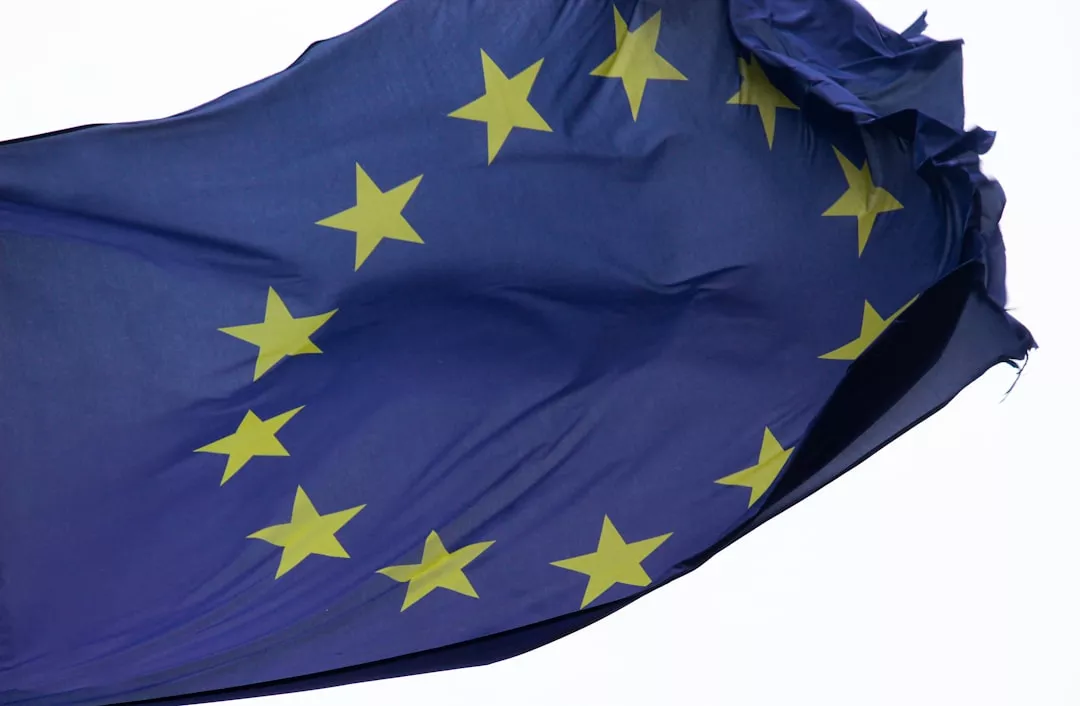
The European Union is finding itself at the crossroads of a significant economic decision: whether to impose a windfall tax on the energy companies experiencing unprecedented profits amid the ongoing energy crisis. This proposal, primarily driven by Germany and backed by countries such as France, Italy, Spain, and Portugal, is sparking a multifaceted debate over its feasibility and potential implications.
Background and Rationale
The energy crisis, exacerbated by geopolitical tensions following Russia's aggression in Ukraine, has resulted in skyrocketing energy prices across Europe. While consumers and industries grapple with high energy costs, oil and gas companies report record profits, thanks largely to these price surges. This dichotomy has prompted calls for a windfall tax, primarily aimed at redistributing the unexpected gains to alleviate the financial burden on citizens and fund energy transition initiatives.
Historical Context
The notion of a windfall tax is not novel in European policy circles. Historically, similar measures have been discussed, especially during periods of war or significant economic upheaval. A prominent instance was during World War II, when governments targeted excess profits to fund military expenditures. The resurgence of this idea in the contemporary context underscores the urgency many European leaders feel to address growing public discontent over energy costs and to respond to economic inequalities exacerbated by the crisis.
Complexities and Challenges
Implementing a windfall tax, however, is fraught with complexities. Firstly, there is a challenge in defining what constitutes 'excess profits' and how these are to be accurately measured. Moreover, there is considerable debate over the potential economic repercussions of such taxation. Critics argue that taxing energy companies heavily could deter investment in energy infrastructure, including the much-needed transition to green energy sources. Additionally, these companies warning of potential relocation to more tax-friendly jurisdictions could undermine the intended economic benefits.
Furthermore, the legal framework within the EU adds another layer of complexity. Tax legislation remains largely within the purview of individual member states, meaning unanimous agreement is required to move forward with a bloc-wide tax policy. This political challenge is magnified by the differing economic priorities and energy dependencies of member states, making consensus particularly elusive.
Implications for Regional Stability
Regionally, the outcome of this debate could have profound implications. The EU's response to the energy crisis is seen as a litmus test of its ability to navigate internal disagreements and external pressures. A swift and decisive action, such as implementing a windfall tax, could bolster the EU's reputation as a cohesive economic bloc capable of taking unified action in times of crisis. Conversely, prolonged indecision may signal vulnerability, potentially jeopardizing European solidarity and influencing geopolitical dynamics, particularly with Russia watching from the sidelines.
The stakes extend beyond the borders of Europe as well. Energy prices and policies in the EU can have a domino effect internationally, influencing global markets and geopolitical alliances. As Europe seeks to diversify its energy sources and lessen dependence on Russian oil and gas, the decisions taken now will shape the future landscape of global energy politics.
Looking Ahead
As the EU deliberates on the windfall tax proposal, stakeholders will be closely monitoring the proceedings. Businesses, energy analysts, and governments alike are weighing the potential impacts of such a tax on the EU's energy market stability and the broader geopolitical landscape.
Why It Matters
The proposition of a windfall tax on energy companies is significant not only for its economic implications but also for its geopolitical reverberations. The EU stands at a crossroads, with its decision representing a choice between immediate fiscal relief for citizens and longer-term economic strategy and stability. Successfully navigating this issue could enhance the EU's geopolitical standing, showcasing its ability to remain united and responsive in times of crisis. Conversely, failure to reach consensus could exacerbate divisions within the bloc and embolden adversarial nations like Russia. Moving forward, observers should watch for shifts in member state alignments and any unilateral actions that might disrupt the delicate balance of the EU energy market and beyond. As always, the EU's approach will serve as a precedent for other global entities considering similar policies in their own regions.