Caribbean Tensions Rise: Leaders Urge Dialogue Amid US Oil Embargo
Caribbean leaders call for dialogue as US oil embargo on Cuba and military strikes in the region spark heated discussions at Caricom summit.
International Relations Correspondent
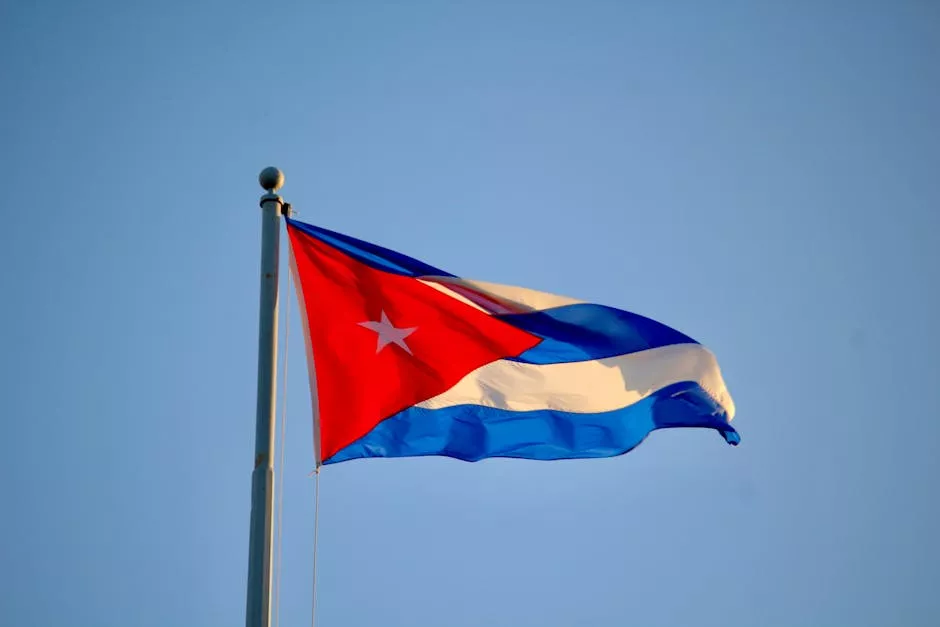
The Caribbean is once again at the forefront of geopolitical tensions as leaders from the Caribbean Community (Caricom) gathered in St Kitts and Nevis for a pivotal four-day summit. The meeting was largely overshadowed by heated discussions surrounding recent US interventions, particularly the oil embargo on Cuba and military operations targeting suspected drug trafficking vessels. Amid these developments, calls for de-escalation and strategic dialogue have become the rallying cry of the regional leaders.
Historical Context and Geopolitical Strains
Historically, the Caribbean has been a region of extreme geopolitical significance, often balancing its interests between global powers. The imposition of an oil embargo on Cuba by the United States serves as a stark reminder of the strained diplomatic history between these two nations. For decades, the US-Cuba relationship has been characterized by embargoes, political standoffs, and limited engagement, despite occasional attempts at normalization.
The recent embargo intensifies these strains, especially as Cuba has been facing significant economic challenges exacerbated by the COVID-19 pandemic. The oil embargo threatens not only the Cuban economy but also impacts the energy security of the broader Caribbean region. The summit's backdrop was thus punctuated by a call amongst leaders for collaborative strategies to address the economic and social impacts resulting from these US policies.
Regional Perspectives: Diverse Reactions
Within the Caricom bloc, member states exhibit varying degrees of alignment regarding US policies. Some nations, recognizing the importance of maintaining diplomatic ties with the United States, advocated for a more measured approach. Others, particularly those with closer ties to Cuba, staunchly opposed the embargo, emphasizing the need for regional solidarity in challenging unilateral actions that affect the region's economic stability.
Prime Minister Mia Mottley of Barbados underscored this position, stating, "Economic sovereignty and resilience are interconnected with regional unity. While respecting national interests, we must collectively seek pathways that prioritize dialogue and regional stability." This sentiment was echoed by several leaders who insisted that regional collaboration should be prioritized over external pressures.
Strategic Implications and Future Directions
The current geopolitical landscape now places the Caribbean at a crossroads. The United States' actions not only influence regional politics but also reverberate through economic channels due to the interconnected nature of global energy markets. As oil supplies fluctuate, so do the economic prospects of nations reliant on imported energy.
Compounding these concerns are ongoing military strikes against suspected drug trafficking boats. While these operations are part of broader efforts to curb illicit activities, the violence associated with military actions has drawn criticism from human rights organizations and further complicated the region's relationship with the United States.
At the summit, leaders stressed the importance of not just addressing immediate economic challenges, but also fostering a long-term vision that incorporates sustainable development, regional trade agreements, and investments in renewable energy sources. As they deliberate over resolutions, the emphasis remains on preserving national sovereignty while actively pursuing diplomatic channels to mitigate tensions.
Looking ahead, the Caribbean's role in global geopolitics may evolve as it navigates these challenges, potentially serving as a model for regional cooperation amidst external pressures. Caricom leaders have committed to further dialogue with US counterparts while simultaneously exploring intra-regional partnerships to bolster economic and energy security.
Why It Matters
Why It Matters
The ongoing discussions and interventions in the Caribbean hold significant implications beyond the region. Primarily, the US embargo on Cuba and the resultant geopolitical tensions accentuate the fragility of relations between dominant and developing economies. The situation underlines the broader struggle for smaller nations to assert their sovereignty in the face of major powers imposing foreign policy objectives. Moreover, the Caribbean's pursuit of regional solutions may inspire similar frameworks in other geopolitical hotspots, emphasizing the importance of diplomatic engagement and regional cooperation. Observers should watch for shifts in US-Caribbean relations and potential new alliances or policies emerging from Caricom's responses, which could set the tone for regional stability and economic resilience in the years to come.