Massive Protests Erupt Against AfD Rally in Germany's Cities
Over 3,000 demonstrators protested AfD events, signaling growing unrest and opposition against Germany's far-right political movements.
Defense & Security Editor
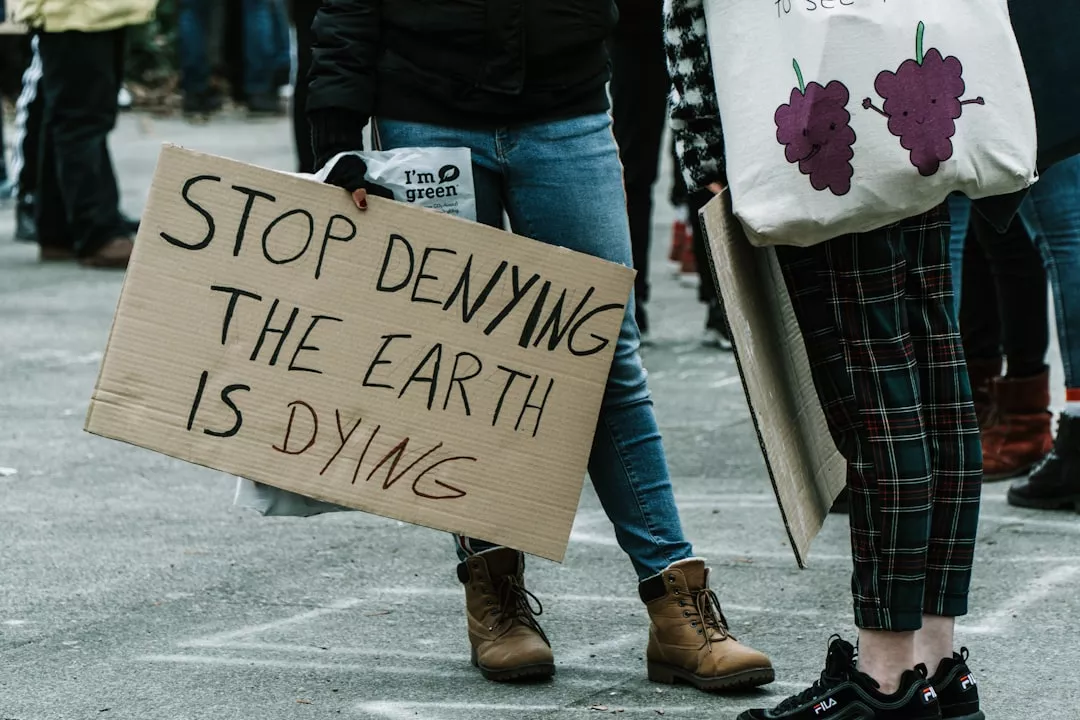
The streets of Dortmund and Düsseldorf have recently become the stage for significant political activism as over 3,000 individuals marched in protest against the attendance of Alternative for Germany (AfD) politician, Björn Höcke, at a party event. The protests are part of a larger narrative of resistance against the rise of far-right politics in Germany, showing an increase in public mobilization to counteract the politicking of extremist factions.
Prelude to Protests
The origins of these protests can be traced back to rising discontent with the growing influence of the AfD, a party known for its far-right rhetoric and policies that many Germans see as a threat to democratic values. Björn Höcke, a prominent figure in the party, is often viewed as embodying the controversial and nationalist ideas that critics argue undermine social cohesion and inclusivity.
In Dortmund, police estimated the numbers of demonstrators surpassed 3,000. The gatherings were peaceful yet fervent, with protestors carrying placards denouncing hate speech and advocating for unity and acceptance. The momentum is expected to gather further pace in Düsseldorf, where an even larger protest is anticipated.
The AfD's Rise in Germany
Founded in 2013, the AfD capitalized on the backlash against Chancellor Angela Merkel's immigration policies, gaining significant traction by exploiting public fears and socio-economic concerns. Over the years, it has positioned itself as the leading voice of nationalism and Euro-skepticism. Many of its key figures, including Höcke, have been criticized for their openly xenophobic and chauvinistic stances.
The controversy has sparked a broader discussion about the boundaries of political discourse in Germany, a country still coming to terms with its past and the Nazi regime's atrocities. Many citizens and political analysts are concerned about the normalization of extremist views, considering the country's historical context.
Counter-Movements and Political Opposition
The recent surge in protests highlights an organized response from various civil society groups, political organizations, and community leaders who are determined to challenge the narrative the AfD promotes. Key among these groups are left-leaning political parties, trade unions, and grassroots organizations dedicated to upholding Germany's democratic fabric.
Germany's Chancellor Olaf Scholz has urged for political dialogue and emphasized the importance of addressing citizens' concerns without resorting to divisive and radical politics. He has repeatedly highlighted the dangers posed by the fragmentation of German society along ideological lines.
Implications for German Politics
As the AfD continues to gain momentum, the response from anti-fascist movements and other civic groups underscores significant social and political divisions within German society. This polarization is reflective of wider trends across Europe, where far-right and nationalist parties have been making electoral gains.
The effectiveness of these protests and the broader opposition movement will be pivotal in shaping the future of Germany's political landscape. While the AfD can leverage its significant voter base, its polarization of political discourse presents challenges to traditional political dynamics. As such, these protests not only signify immediate dissent but also serve as a bellwether for future electoral outcomes and policies.
Why It Matters
The eruption of protests in Dortmund and Düsseldorf against the AfD rallies signals a profound unease with the rise of far-right politics within a historically sensitive Germany. These protests are not isolated, reflecting a Europe-wide trend where far-right parties have been gaining ground amidst dissatisfaction with mainstream politics. For Germany, the impact is manifold. Firstly, these protests indicate that a significant portion of the population is actively rejecting extremist ideologies, striving to preserve democratic norms. Secondly, these events could influence upcoming elections, challenging mainstream parties to address the root causes of disenchantment that the AfD capitalizes on. Finally, for international observers, Germany acts as a barometer; monitoring these developments will offer insights into broader geopolitical shifts and the endurance of liberal democracies under the strain of populist movements.