DR Congo Forces Intensify Strikes Against M23 Rebels in Eastern Region
DR Congo's military launched coordinated attacks on M23 rebels in eastern regions, marking a significant escalation in the conflict.
Defense & Security Editor
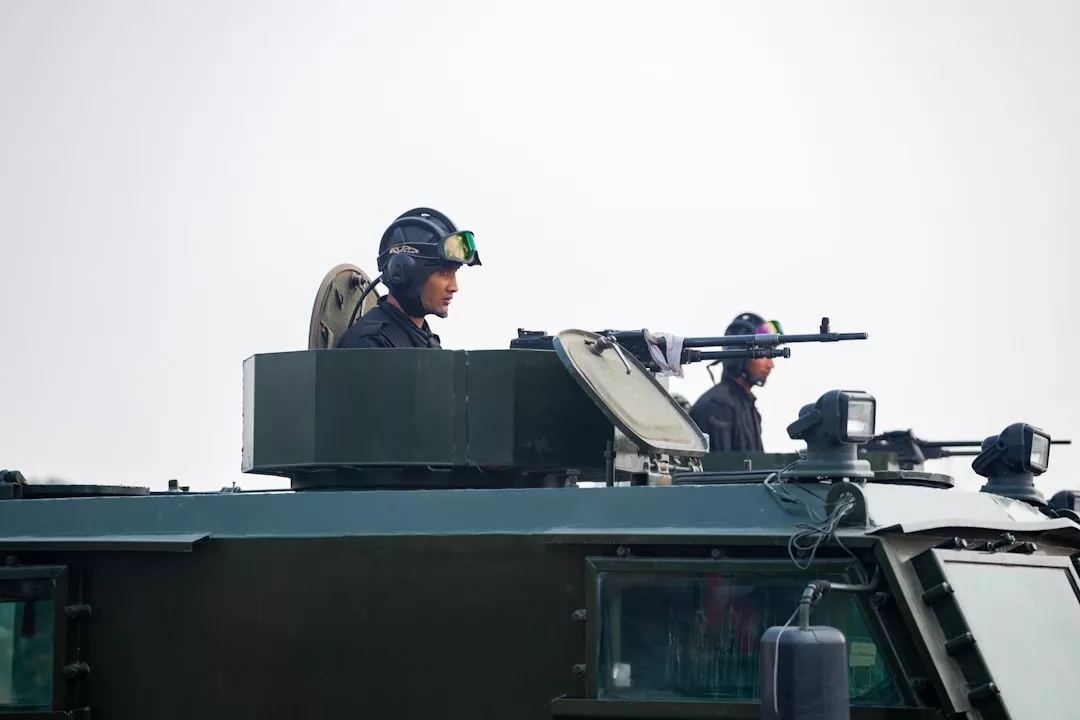
The Democratic Republic of Congo's (DRC) military has launched a series of aggressive operations against the rebel group AFC/M23 in the eastern part of the country. These operations, involving both ground forces and drone strikes, represent a notable escalation in the ongoing conflict, focusing on regions near crucial mining sites. According to local security sources, the attacks aim to dislodge the M23 rebels, who have been imposing a significant threat to the region's stability.
Historical Context of the M23 Rebellion
The M23 rebellion traces back to March 23, 2009, when the DRC government signed a peace agreement with the National Congress for the Defense of the People (CNDP), which was integrated into the national army. However, in 2012, former CNDP members defected, citing the government’s failure to uphold the agreement, and formed the M23 movement. The group gained control over significant territory in North Kivu, including the provincial capital Goma, before being defeated in 2013 by Congolese and UN forces. Despite its defeat, remnants of M23 have remained active, leveraging the DRC's volatile political and security landscape.
The Escalation of Conflict
This latest military operation underscores the ongoing instability in the eastern DRC, a region that has suffered decades of conflict fueled by ethnic tensions, competition over natural resources, and the presence of numerous armed groups. The intervention comes at a time when the DRC is striving to stabilize its territories, plagued by recurring violence and humanitarian crises. According to military officials, the current offensive targets insurgent strongholds in strategic mining areas, critical to the national and regional economy.
Regional Perspectives and Reactions
The renewed conflict in eastern DRC has drawn significant attention from neighboring countries and international observers. Rwanda, which has been accused of supporting M23—a claim it denies—is closely monitoring the situation. As a key stakeholder in regional stability, Rwanda's involvement or perceived alignment could significantly influence diplomatic relations in the Great Lakes region. Additionally, the African Union and United Nations have emphasized the importance of a peaceful resolution and have called for restraint and dialogue.
Geopolitical Implications
The DRC’s eastern regions are a microcosm of broader geopolitical dynamics in Africa. Home to vast mineral reserves, including coltan, tungsten, and tin, the area is not only vital to the DRC's economy but also to global supply chains for electronics and other industries. The ongoing conflict poses risks to these supply chains, underlining the intricate link between local conflicts and international markets. Moreover, the involvement of various regional players highlights the complex web of alliances and tensions across the continent.
Efforts to stabilize the region are further complicated by the involvement of multiple rebel groups, each with distinct agendas, and the limited capacity of the Congolese military. International partners, including the United Nations through its MONUSCO mission, continue to play a crucial role in attempting to mediate peace and provide security assistance.
Looking Ahead
The situation in eastern DRC remains fluid, with potential implications for regional stability and international economic interests. The Congolese government’s ability to effectively manage the conflict and navigate diplomatic pressures will be crucial. Key stakeholders will need to advocate for sustained peace efforts while balancing geopolitical interests.
Why It Matters
The intensified military actions by DRC forces against M23 rebels hold significant geopolitical relevance. The eastern DRC is a linchpin in Africa's mineral-rich tapestry, essential to both local and global economies. This conflict highlights the enduring fragility of state structures in post-conflict regions and underscores the international community’s challenge in securing lasting peace amidst rival interests. Moving forward, it is imperative to monitor shifts in regional alliances and potential impacts on global supply chains for critical minerals, which could carry broad economic repercussions.