The Rising Wave of Butsukari: Japan's Social Strain Unveiled
Explore the social and gender dynamics fueling Japan's alarming 'bumping' trend, as viral incidents spotlight rising tensions.
Defense & Security Editor
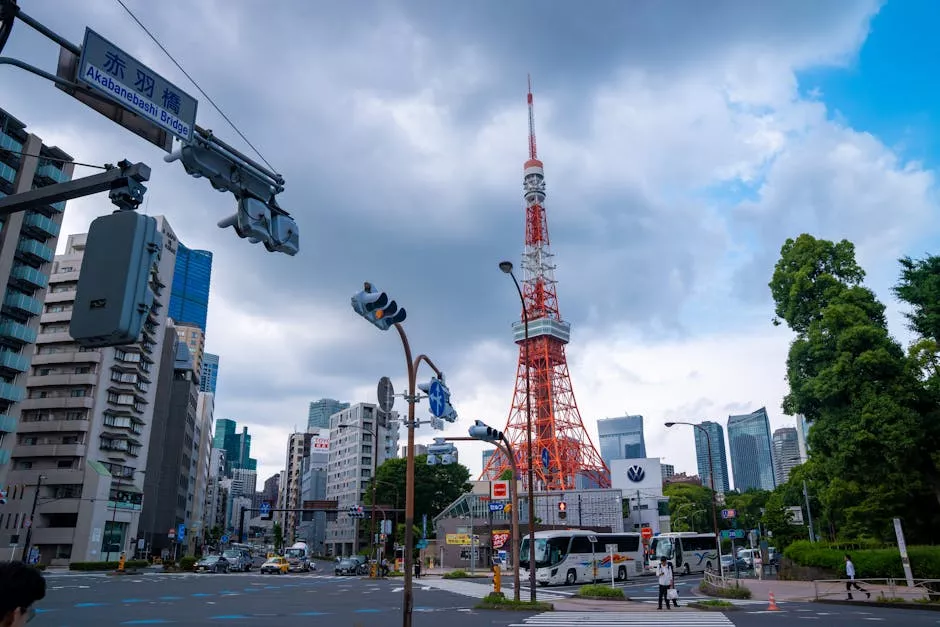
A recent viral video from Tokyo marked a disturbing turn in public perception of Japan’s bustling urban life. A young girl, delighted and unaware, was captured making a peace sign on a Tokyo crossing. Within seconds, a masked woman barges past, violently knocking her to the ground without a glance backward. This is part of a disturbing trend known locally as butsukari otoko—the practice of intentionally bumping into others.
The Ubiquity of Butsukari
Butsukari incidents, once rare, seem to be proliferating in Japan’s crowded cities. Traditionally, Japan has championed itself as a society bound by respect, order, and harmony. Yet, this phenomenon underscores a fracture, revealing tension simmering beneath the surface. Social media is abuzz with videos depicting similar acts, catalyzing public outrage and debate.
Understanding the Origins
Experts attribute this phenomenon to the relentless stresses of urban life coupled with complex gender dynamics. In a society dealing with immense pressures, such as long work hours and stringent social expectations, urban dwellers might engage in passive-aggressive acts as an outlet. Besides, the anonymity provided by masks could embolden those seeking invisible confrontations.
Gender Dynamics Explored
Gender dynamics further complicate the picture. Despite progress in gender equality, Japan remains a patriarchal society with entrenched norms. Observers note that women are frequently the targets of such aggression, reflecting underlying issues of power and gender relations. The rise of the butsukari otoko—literally “bumping man”—echoes past patterns of public harassment where women are the predominant victims.
Historical Context and Implications
The practice of butsukari can be seen as part of a broader historical context of coping mechanisms in densely populated cities, where measuring personal space can often lead to conflicts. Historically, Japan has experienced substantial challenges related to personal boundaries, especially in crowded urban centers like Tokyo. While pushing and shoving are not new, the deliberateness and increasing frequency of these actions mark a significant shift.
Regional Perspectives and Global Implications
The phenomenon isn’t isolated to Japan. Globally, increased urbanization leads to more similar interactions, making it a harbinger of urban stress symptoms applicable elsewhere. Observers note the necessity for cities worldwide to re-evaluate public space management to prevent similar escalations. It's a sobering reminder of the psychological toll of urban living, potentially influencing policies on public health and urban planning.
As Japan prepares for upcoming international events meant to cement its global standing, such incidents place unwanted scrutiny on whether the country can uphold its rigorous standards of courtesy and civility. It's a geopolitical issue that might influence Japan’s soft power and tourism appeal.
Why It Matters
The phenomenon of butsukari offers a microcosm of the larger societal pressures affecting not only Japan but also other heavily populated urban areas worldwide. This issue highlights the need for a deeper understanding of social stressors and how they manifest in daily life, informed by both technological advances and evolving gender norms. Understanding this trend helps reveal the complexities of modern social interactions, especially in contexts where public space is a premium.
For global observers, this trend is a cue to consider the psychosocial dynamics of city living. The growing incidents of physical aggression, albeit passive, could signal broader destabilizations in social cohesion. As cities continue to grow, effective public space management and mental health interventions will be essential to counter the adverse effects of urban density.