Aung San Suu Kyi's Transition to House Arrest: What It Means
Aung San Suu Kyi moved to house arrest in Myanmar, signaling shifts in military's control over her fate amid ongoing political unrest.
Middle East & Diplomacy Specialist
In a significant development within Myanmar's ongoing political saga, Daw Aung San Suu Kyi, the deposed leader and long-time symbol of democracy in the country, has been transferred from prison to house arrest. This move comes after more than two years of detention following the military coup in February 2021, which saw her ousted from power and subsequently imprisoned. Her house arrest signals a potential shift in the military junta’s approach to her case amidst international scrutiny and domestic unrest.
Background of the Crisis
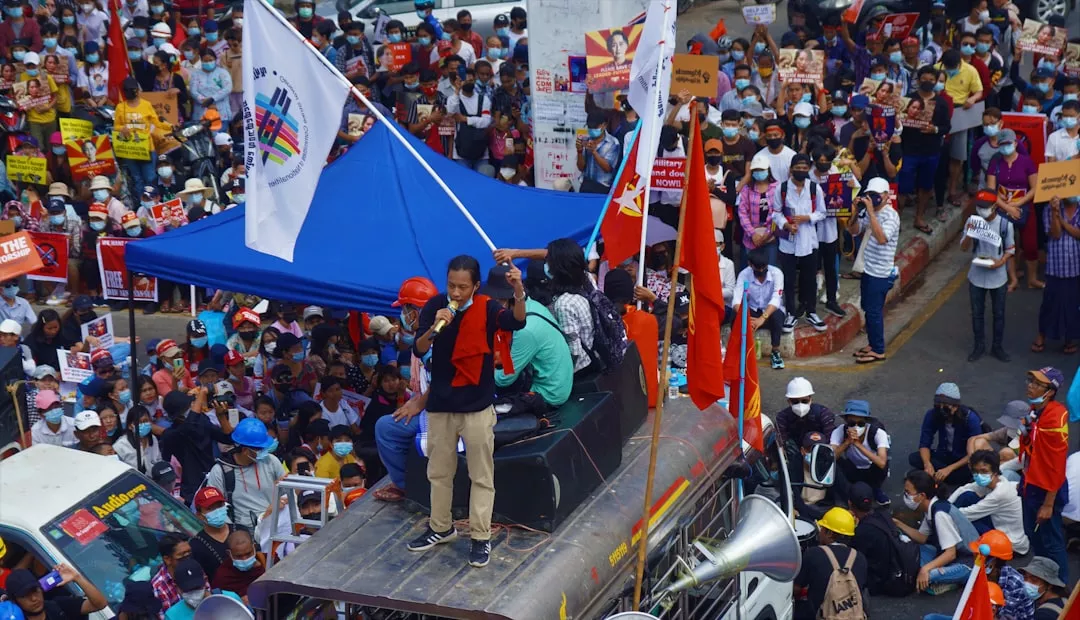
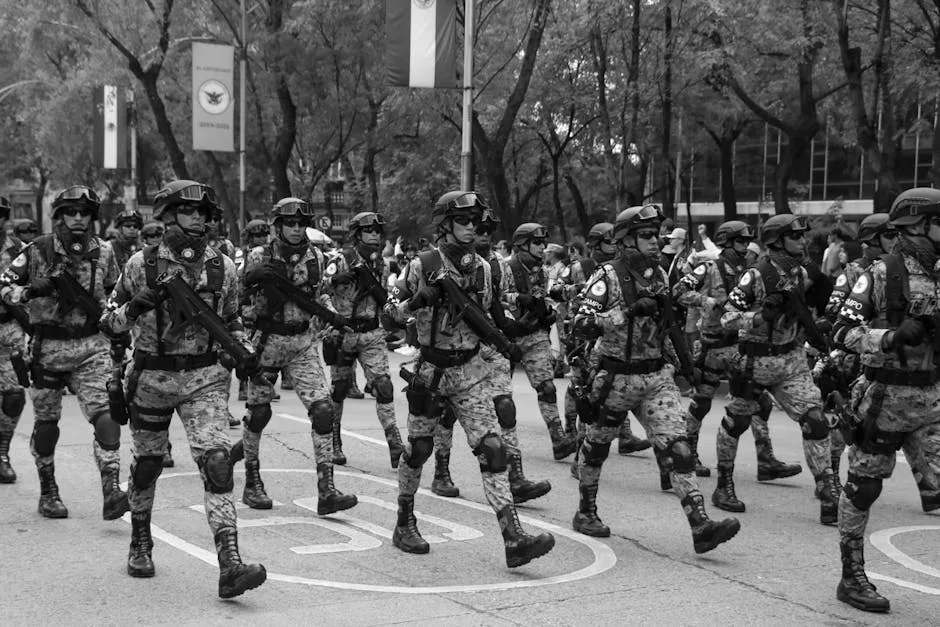
The military coup of 2021 marked a dramatic halt to Myanmar's decade-long experiment with democracy. The National League for Democracy (NLD), led by Suu Kyi, had won a sweeping victory in the 2020 general elections, a mandate that the military claimed was marred by electoral fraud, a charge widely dismissed by international observers. Her arrest and the subsequent crackdown on dissent led to widespread protests and triggered a violent military response, resulting in thousands of deaths and displacements.
The Return of House Arrest
This recent shift from prison to house arrest might be emblematic of a strategic repositioning by the military junta. Aung San Suu Kyi is no stranger to house arrest, having spent nearly 15 years in similar conditions under the previous military regime. Her plight had consistently drawn global attention and condemnation, making her a potent symbol against military repression in Myanmar.
The decision to revert to house arrest could be interpreted as an effort to manage international criticism while simultaneously diminishing her symbolic influence. House arrest is logistically easier for authorities and can be perceived as a milder form of detention, potentially placating both domestic and international actors urging better treatment for Suu Kyi.
Impacts and Implications
The shift may have implications for both domestic politics and Myanmar’s international standing. Domestically, this move might be intended to quell some of the internal resistance by offering a gesture of leniency. However, it remains uncertain whether this will lead to meaningful political dialogue or is merely a tactical adjustment to sustain control while navigating diplomatic pressures.
Internationally, the move might be a calculated step to soften the junta's image and relieve some of the mounting sanctions imposed by Western countries. However, genuine change is likely contingent on the military's willingness to engage with Myanmar's ethnic groups and opposition leaders in substantive political reforms.
Regional and Global Reactions
Regionally, ASEAN has attempted to broker peace through dialogue but has seen limited success due to the junta’s intransigence. Aung San Suu Kyi's transfer might invigorate ASEAN efforts to mediate or, conversely, lead to frustration if perceived as a superficial change.
The international community remains watchful, with Western powers likely to demand further concessions as preconditions for lifting sanctions, while China and Russia, historically more sympathetic to military governance in Myanmar, may see this as an opportunity to strengthen ties with the junta by offering economic and political support.
Conclusion
Aung San Suu Kyi’s transition from prison to house arrest marks a symbolic yet potentially pivotal moment in Myanmar's ongoing political crisis. While it signals a tactical shift by the military, the broader implications will unfold depending on subsequent moves by both the junta and international stakeholders aiming for a peaceful resolution in Myanmar.
Why It Matters
Why It Matters
This development is crucial in understanding Myanmar’s current trajectory. While house arrest does not equate to freedom, it signals the junta's possible shift in strategy under internal and external pressures. For observers, especially international negotiators, this might indicate a potential opening for dialogue or, at the very least, a recognition by the junta of the need to alter its image. However, such moves can also be misdirection, designed to placate critics without instituting substantial reform. The international community, particularly ASEAN, will play a key role in determining the outcome of this political transition, albeit against the backdrop of their limitations and varied interests.