US Military Rhetoric on Nigeria Sparks Intervention Concerns
Growing American military discourse regarding Nigeria's internal security challenges raises alarm about potential foreign intervention in West Africa's largest economy.
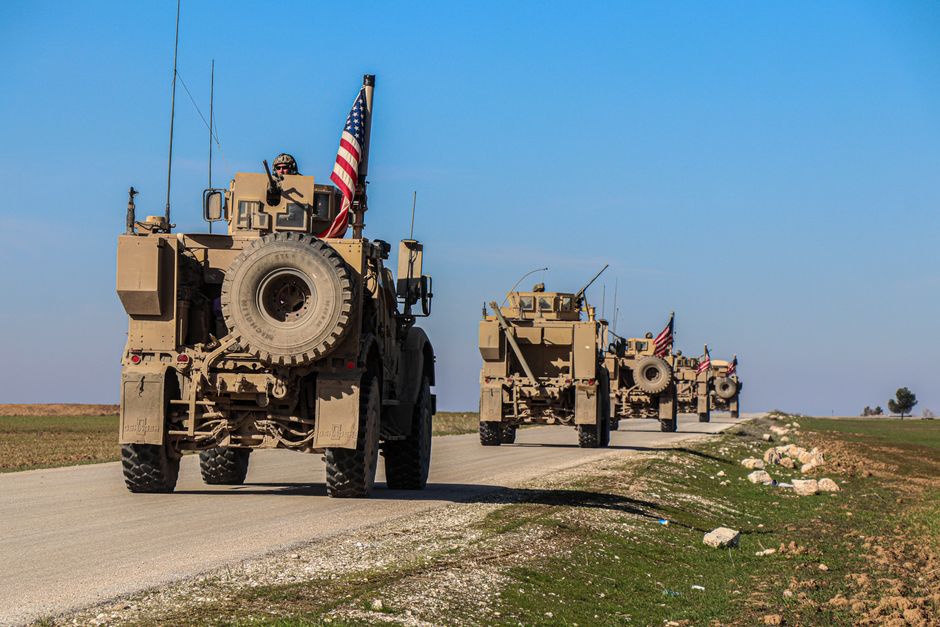
As Nigeria grapples with multifaceted security challenges ranging from Boko Haram insurgency in the northeast to banditry across the northwest, increasingly aggressive rhetoric from Washington has sparked concerns about potential American military intervention in West Africa's most populous nation.
Escalating Security Challenges
Nigeria faces an unprecedented convergence of security threats that have destabilized large swaths of the country. The Boko Haram insurgency, now in its second decade, continues to plague the northeastern states of Borno, Yobe, and Adamawa. Simultaneously, criminal gangs operating across the northwest have intensified kidnapping operations, targeting schools, communities, and travelers along major highways.
These internal crises have created a humanitarian emergency affecting millions of Nigerians, with over 3 million people internally displaced and thousands killed in various conflicts. The Nigerian military, despite receiving substantial budget allocations, has struggled to contain these multiple fronts of insecurity.
American Strategic Interests
The United States has maintained significant strategic interests in Nigeria, viewing the country as a crucial partner in counterterrorism efforts across the Sahel region. Nigeria's position as Africa's largest oil producer and most populous democracy makes it a key player in American foreign policy calculations for the continent.
However, recent statements from US officials have adopted increasingly interventionist language, framing Nigeria's security challenges as threats to regional stability and American interests. This rhetoric mirrors historical patterns that have preceded military interventions in other regions.
Regional Implications
The specter of foreign military intervention in Nigeria would have profound implications for West African geopolitics. As the economic powerhouse of ECOWAS, Nigeria's sovereignty concerns resonate throughout the region, where memories of colonial exploitation remain fresh.
Regional analysts warn that external military intervention could exacerbate existing tensions and potentially destabilize neighboring countries including Cameroon, Chad, and Niger, which already host significant Western military presences.
Sovereignty and Self-Determination
Critics argue that inflammatory American rhetoric risks transforming legitimate internal governance challenges into pretexts for foreign military action. Nigeria's complex ethnic, religious, and regional dynamics require nuanced, locally-driven solutions rather than external military interventions that could further complicate an already volatile situation.
The international community must balance legitimate concerns about regional security with respect for Nigerian sovereignty and the principle of non-interference in internal affairs. Supporting Nigeria's capacity-building efforts while avoiding interventionist rhetoric represents a more sustainable approach to addressing these challenges.