Pakistan-Afghanistan Tensions Escalate into Open Warfare
Pakistan's bombing of Afghan cities marks a grim new phase in bilateral tensions, sending regional stability into jeopardy.
Africa & Global Economy Correspondent
Escalating Conflict on the Border
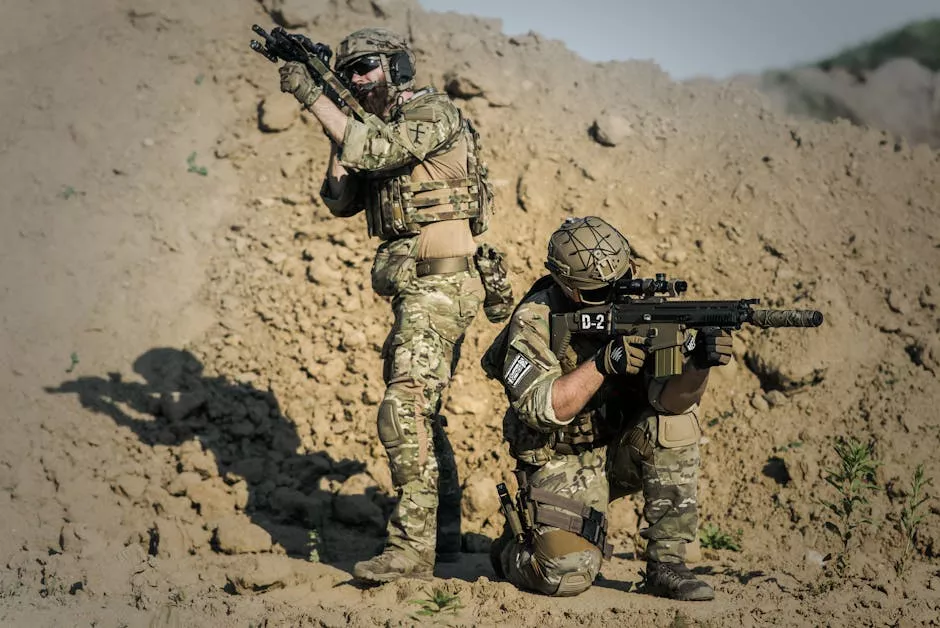
The longstanding tensions between Pakistan and Afghanistan have reached a new and dangerous phase, following Pakistan's bombing of major Afghan cities, including Kabul, marking the most severe escalation in months of border clashes.
Pakistan's Defense Minister, Khawaja Asif, declared the situation an 'open war,' following retaliatory attacks by Afghan forces who targeted Pakistani border posts. This marks a severe escalation in a conflict characterized by a history of mutual distrust and sporadic violence.
Historical Context
The roots of the current conflict can be traced back to the legacy of colonial-era border demarcations and subsequent proxy wars. The Durand Line, which serves as the border between the two nations, has long been a point of contention. Neither country officially recognizes the other's territorial claims, fuelling ongoing disputes.
Historically, both nations have accused each other of harboring militant groups that carry out cross-border terrorism. This blame game has perpetuated cycles of violence and military skirmishes, with each side justifying its actions as defensive.
The Current Escalation
Recent months have seen an increase in tensions, with more frequent exchanges of fire along the border. These flare-ups have been exacerbated by internal political pressures within both countries. In Pakistan, a focus on national security in response to a brutal insurgency has intensified
Afghanistan, meanwhile, continues to grapple with instability following the Taliban's return to power, which has created both internal power struggles and external pressures to secure its borders.
Regional Perspectives and Geopolitical Implications
The ramifications of this open warfare are profound, extending far beyond the two nations directly involved. Regional powers like India, China, and Iran are closely monitoring developments, as the conflict could potentially disrupt trade routes and fuel wider instability.
For India, which shares a border with both nations, increased volatility in the region is a serious concern, potentially impacting its own security strategies. Meanwhile, China’s investments within Pakistan, including the China-Pakistan Economic Corridor, mean any instability could threaten its economic interests.
The Role of International Players
The international community faces a strategic dilemma. NATO forces and Western countries have historically maintained a presence in the region, though their withdrawal has left a power vacuum, complicating intervention strategies. Diplomats are calling for peace talks as the primary means to defuse the situation.
However, mediation efforts have frequently fallen short due to the deep-seated mistrust between Islamabad and Kabul, compounded by internal government dynamics and external influences.
Future Trajectories
The path forward is fraught with challenges. While there have been calls within both countries for bilateral talks, the deeply entrenched mistrust makes any meaningful negotiations difficult. With border tensions escalating, the potential for a full-scale conflict remains a looming threat that could destabilize not just the immediate bilateral relationships, but the entire region.
Why It Matters
Why It Matters
The escalation of conflict between Pakistan and Afghanistan holds significant implications for regional security and global geopolitical stability. This development can potentially exacerbate existing tensions in South Asia, complicating diplomatic relations and international efforts towards peace and stability. With two nuclear-armed countries in conflict, the potential for a broader crisis involving regional and global powers is significant and worrying.
Further, the involvement of international powers—whether through direct support, economic investment, or strategic alliances—adds another layer of complexity. The world must closely monitor these developments, as the stability of South Asia is crucial to global trade routes and economic interests. Watch for diplomatic attempts by regional and international bodies to mediate the conflict, and any shifts in international alliances that could alter the balance of power in the region.