Uncertainty Grows Among Iranians as Fears of Chaos Mount
Rising worries about potential chaos in Iran are unsettling its citizens, prompting fears of instability among supporters of current policies.
Senior Geopolitical Analyst
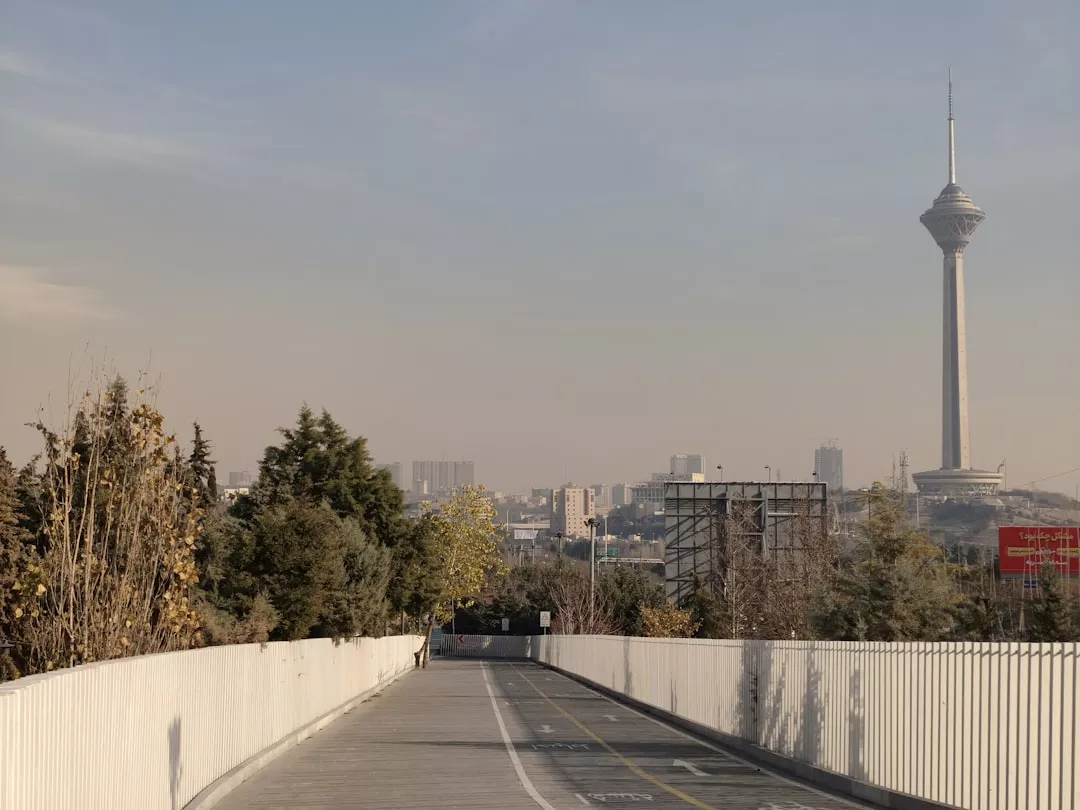
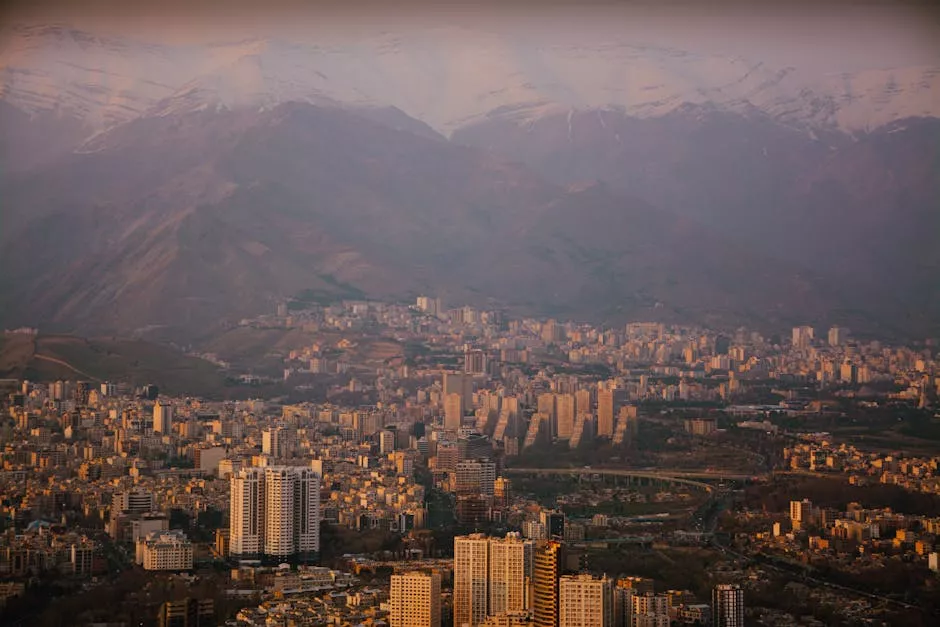
The escalating tensions and uncertainty surrounding Iran's involvement in war efforts have begun to instill fear and anxiety among its previously supportive citizens. From teachers to engineers and shopkeepers, a collective concern over the potential for national chaos and ruin is taking hold, altering the public perception of Iran's geopolitical ambitions.
Fears of Chaos and Instability
Historically, Iran has positioned itself as a formidable power in the Middle East, with ambitions that often put it at odds with regional neighbors and global powers. However, recent developments have raised doubts among its citizens about the country's future direction. Conversations with various Iranians reveal a pervasive fear that continued conflict could lead Iran into a state of destruction rather than triumph.
Voices from the Ground
In interviews conducted by the BBC, citizens from different walks of life expressed their concerns. A teacher in Tehran shared, "We've supported our government's stance for years, believing it was for the greater good. But now, there's a fear that instead of victory, we'll be left with ruins." This sentiment is echoed by many, including an engineer who worries that further involvement in conflict could destabilize Iran economically and socially.
Shopkeepers, reliant on economic stability for their livelihoods, voice concerns over potential sanctions and the impact of ongoing confrontations on trade. With the economy already strained, the apprehension is palpable about what prolonged tensions might spell for businesses and the average citizen.
Historical Context and Current Strategy
To understand the roots of this anxiety, it's crucial to examine Iran's historical strategies. Since the Islamic Revolution in 1979, Iran has sought to assert its influence through both conventional and unconventional means. However, its strategy of supporting proxy groups and engaging in regional conflicts has often led to international isolation and economic hardships, notably due to sanctions imposed by Western nations.
The current strategy, which involves a mix of diplomatic defiance and military posturing, aims to bolster Iran's regional influence. Yet, with an increasingly volatile regional atmosphere and significant pressure from international actors, this approach is coming under scrutiny. Iranians are questioning whether the cost associated with such a stance is sustainable in the long run.
Regional Dynamics and Geopolitical Implications
Iran's regional ambitions have put it at loggerheads with several key players, including Saudi Arabia and Israel, both of whom view Iran as a significant threat. The recent increase in hostilities across the region, coupled with uncertain alliances and shifting global power dynamics, further complicates Iran's foreign policy calculus.
The broader implications of Iran's domestic fears extend well beyond its borders. If internal discontent continues to rise, it could lead to internal pressure for political change, potentially affecting the region's stability. Moreover, as Iran navigates this precarious path, global powers including the United States and European Union, have vested interests in how these dynamics unfold.
The Path Forward
As Iran stands at a critical juncture, it faces a dilemma often encountered by nations with expansive geopolitical goals: the balance between asserting power and maintaining domestic harmony. Analysts suggest that a recalibration of Iran's priorities could be necessary to assuage growing public concerns and avert potential internal unrest.
While some policy adjustments have been hinted at by Iranian leadership, significant changes remain to be seen. How the government addresses these collective anxieties will determine not only Iran's regional stature but also its socio-economic resilience in the face of mounting global challenges.
Why It Matters
Why does this matter? The rising apprehension amongst Iranians underscores the delicate balance Tehran must maintain between regional ambitions and domestic stability. This sentiment reflects broader geopolitical implications, as internal unrest could significantly alter Iran's foreign policy trajectory. Close attention should be paid to any policy shifts or public dissent that might signal changing tides in Iranian politics. For international observers, understanding these internal dynamics is critical for anticipating Iran’s future moves on the global stage and assessing the potential for shifts in regional alliances and rivalries.