Will 'Operation Epic Fury' Pause Lead to End in Iran Conflict?
Trump's halt on 'Project Freedom' might signal a turning point in the Iran conflict. Explore the potential implications and historical context.
Middle East & Diplomacy Specialist
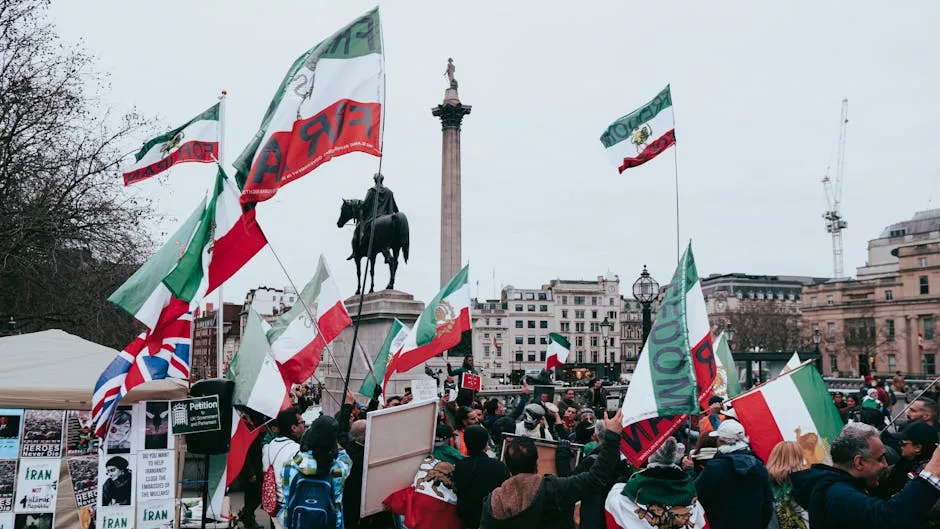
The recent announcement of the conclusion of 'Operation Epic Fury' has left geopolitical analysts and observers wondering if the longstanding conflict with Iran is nearing an end. This operation, characterized by its intensity and robust objectives, has been a significant component of the broader 'Project Freedom' initiated during the Trump administration. However, the recent pause in this initiative has sparked discussions on whether this could signal a strategic shift in the U.S.'s approach towards Iran.
Historical Context: From Diplomacy to Conflict
The roots of the U.S.-Iran conflict trace back to the 1979 Iranian Revolution, which saw the overthrow of the U.S.-backed Shah and led to the establishment of the Islamic Republic. Over the decades, relations have been marked by tensions, notably exacerbated by Iran's uranium enrichment program, perceived threats to regional stability, and accusations of terrorism support.
The last few years have seen heightened tensions, especially after the U.S. withdrawal from the Joint Comprehensive Plan of Action (JCPOA) in 2018. The subsequent imposition of sanctions and hostile rhetoric brought US-Iranian relations to a new low, fostering an environment where military exercises like 'Operation Epic Fury' became pivotal.
Regional Perspectives and Reactions
Iran's neighbors, including Iraq and Gulf States, have long felt the repercussions of the U.S.-Iranian tensions. Iraq has been a battlefield where U.S. and Iranian influences clash, affecting its internal security and political stability. Saudi Arabia and the UAE, while wary of Iran's regional ambitions, find themselves in complex positions, balancing between security partnerships with the U.S. and pragmatic engagements with Iran.
The European Union has consistently advocated for diplomatic solutions, urging de-escalation and a return to discussions. EU's High Representative for Foreign Affairs has reiterated the bloc's position that diplomacy remains the only sustainable path forward.
Geopolitical Implications
The decision to pause 'Project Freedom' comes amid a backdrop of shifting global dynamics. With the U.S. increasingly turning its strategic focus towards the Asia-Pacific region, many analysts see this as part of a broader realignment of priorities.
Moreover, the conflict has also been a financial drain, with significant implications for U.S. defense budgets and global oil markets. A potential easing could stabilize oil prices and prompt a reset in Iranian oil exports, significantly impacting global markets.
Is Peace on the Horizon?
While the pause in hostile operations is a positive step, many hurdles remain. The appointment of hardliners within Iran's political and military hierarchy signifies that any negotiation won't yield easily. Trust deficits and differing agendas are significant obstacles to a lasting resolution.
A multifaceted approach involving key stakeholders, including regional powers and international bodies, will be essential to navigate the complexities of U.S.-Iran relations. The potential for renewed diplomacy and dialogue presents an opportunity for new frameworks in managing regional security beyond military might.
Why It Matters
Why does the pause in 'Operation Epic Fury' matter on a global scale? The implications are profound and multifaceted, affecting diplomacy, regional stability, and global energy security. For one, it reflects a potential shift in how the United States engages with Middle Eastern affairs amid changing global priorities. It may also act as a signal for both regional allies and adversaries about future U.S. military commitments.
This development presents an opportunity for diplomatic engagement, which could pave the way for a more stabilized Middle Eastern geopolitical landscape. Additionally, should disengagement lead to increased Iranian oil flows, it could significantly impact energy markets worldwide, altering economic projections and dependencies. Observers should keep an eye on subsequent diplomatic movements and regional military postures, as they will be pivotal in determining whether this move truly marks a new chapter in U.S.-Iran relations.