Ukraine Faces Critical Resource Crisis as War Enters Third Year
Ukraine confronts severe shortages of manpower, funding, and time as the conflict with Russia intensifies, forcing urgent institutional reforms.

As Ukraine's war with Russia approaches its third year, the nation finds itself grappling with an unprecedented convergence of critical shortages that threaten its long-term survival. Military analysts and political observers increasingly warn that Ukraine's ability to sustain its defense efforts hinges not just on continued international support, but on fundamental reforms to its political and military infrastructure.
Manpower Crisis Deepens
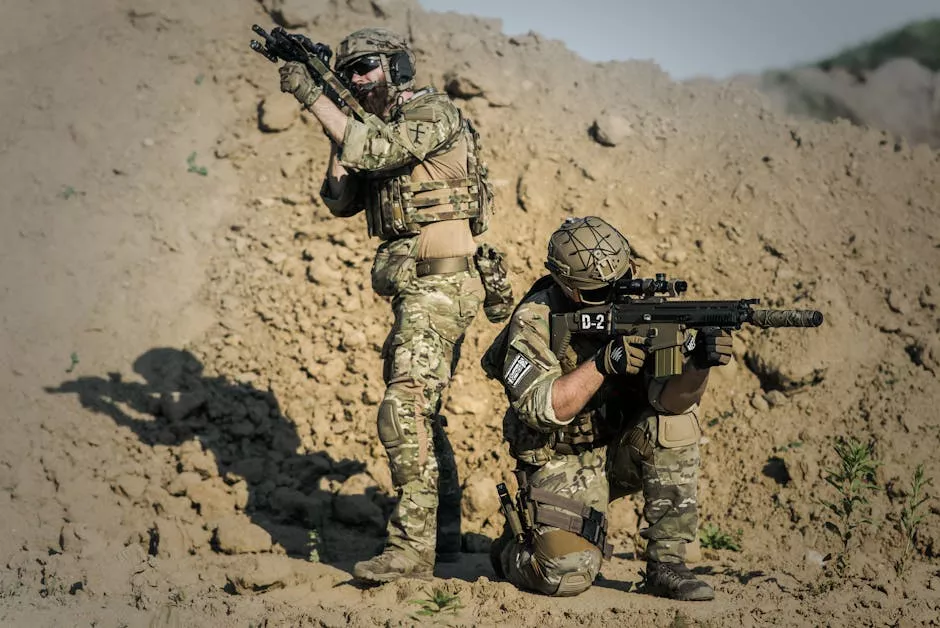
Ukraine's military recruitment challenges have intensified dramatically as the conflict has prolonged. With hundreds of thousands of soldiers already deployed and casualty rates mounting, the country faces difficult decisions about expanding conscription and mobilization efforts. The demographic impact extends beyond immediate military needs, as the loss of working-age men affects economic productivity and long-term population sustainability.
Military commanders report increasing difficulty in maintaining front-line strength while simultaneously training new recruits. The quality versus quantity dilemma has become particularly acute, as rushed training programs struggle to produce soldiers capable of operating sophisticated Western-supplied equipment effectively.
Financial Pressures Mount
Ukraine's economic foundation continues to erode under the dual pressures of war expenses and reduced productive capacity. Government revenues have plummeted as industrial facilities remain damaged or destroyed, while military expenditures consume an ever-larger share of available resources. International aid, while substantial, has proven insufficient to cover both immediate war costs and essential civilian infrastructure maintenance.
The country's debt burden has expanded exponentially, raising questions about long-term fiscal sustainability. European and American financial support, though generous, comes with conditions and uncertainties tied to domestic political changes in donor countries.
Time Becomes Critical Factor
Perhaps most challenging is the temporal dimension of Ukraine's crisis. International attention spans are being tested as other global crises compete for resources and political focus. The upcoming electoral cycles in key supporting nations introduce additional uncertainty about sustained aid levels.
Institutional Reform Imperative
Survival strategies increasingly focus on comprehensive institutional restructuring. Military experts argue that Ukraine must modernize its command structure, improve logistics systems, and develop more efficient resource allocation mechanisms. Political reforms aimed at reducing corruption and improving governance effectiveness have become security imperatives rather than merely good governance practices.
The integration of advanced technologies and artificial intelligence into military operations represents another critical adaptation pathway. However, implementing such systems requires time and resources that remain in short supply.
Regional and Global Implications
Ukraine's resource constraints carry significant implications for European security architecture and NATO strategic planning. The outcome of this crisis will likely influence future conflict dynamics and alliance structures across Eastern Europe. Success in institutional rebuilding could establish a template for other nations facing similar hybrid warfare challenges.