Trump Ends Myanmar Citizens' Protected Immigration Status
The Trump administration terminates temporary protected status for Myanmar nationals amid ongoing civil war and humanitarian crisis.

The Trump administration has announced the termination of Temporary Protected Status (TPS) for Myanmar citizens currently residing in the United States, a decision that comes as the Southeast Asian nation continues to grapple with devastating civil warfare and widespread internal displacement.
Policy Reversal Amid Humanitarian Crisis
This policy reversal marks a significant shift in U.S. immigration policy toward Myanmar nationals, who have been seeking refuge from the escalating conflict that has ravaged their homeland since the military coup in February 2021. The decision affects thousands of Myanmar citizens who had been granted temporary relief from deportation under the previous designation.
The timing of this announcement is particularly striking, given that the U.S. State Department continues to maintain its strongest travel advisory for Myanmar, warning American citizens against any travel to the country due to ongoing armed conflict, civil unrest, and arbitrary enforcement of local laws by military authorities.
Myanmar's Deteriorating Security Situation
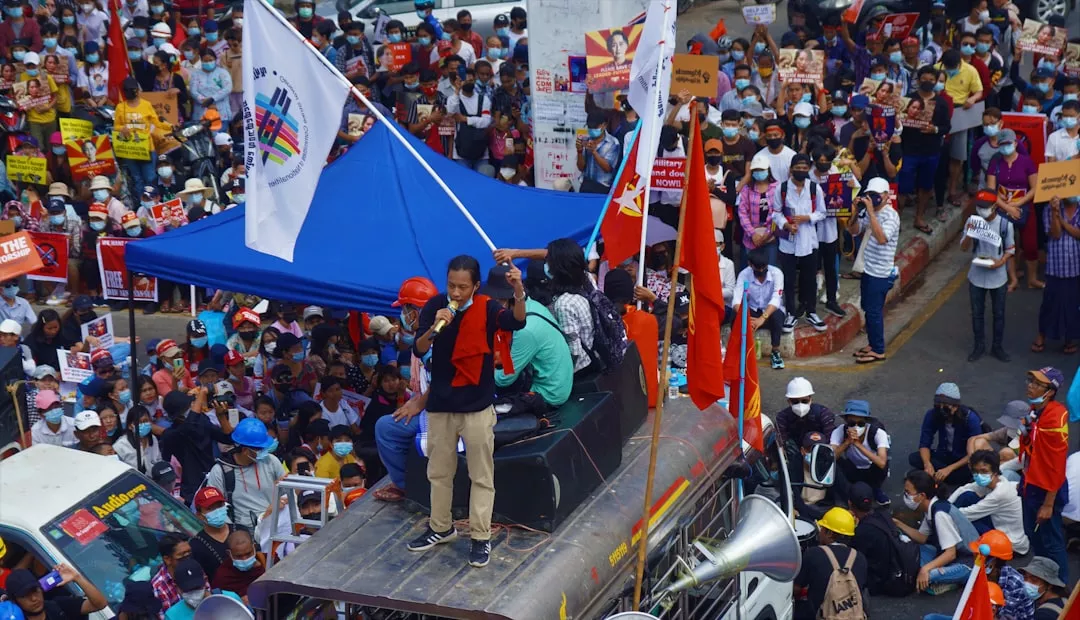
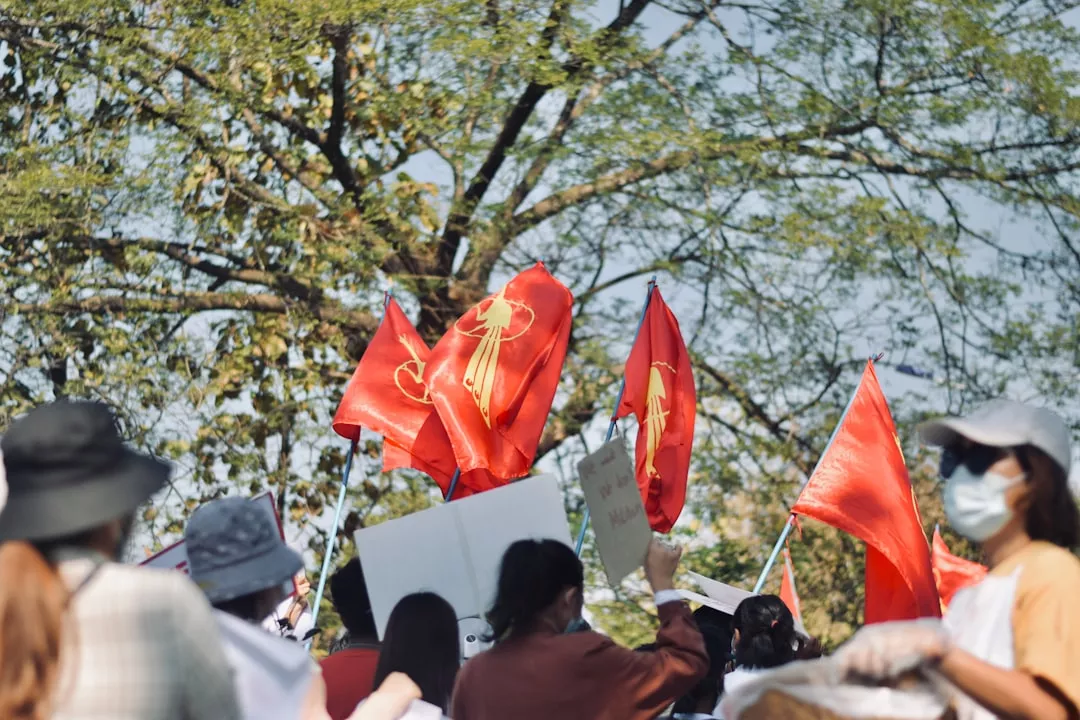
Myanmar has been plunged into chaos since the military junta, known as the State Administration Council (SAC), seized power from the democratically elected government. The coup sparked nationwide protests and civil disobedience movements, which the military has responded to with brutal crackdowns, leading to thousands of deaths and mass displacement.
According to international humanitarian organizations, the conflict has internally displaced over 1.5 million people, with many more seeking refuge in neighboring countries including Thailand, India, and Bangladesh. The economic collapse, combined with targeted attacks on civilian infrastructure, has created one of the most severe humanitarian crises in the region.
Geopolitical Implications
The decision to end TPS for Myanmar citizens reflects broader changes in U.S. immigration policy under the Trump administration's renewed tenure. This move may strain diplomatic relationships with regional allies who have been coordinating international responses to the Myanmar crisis, including ASEAN member states and key partners like Thailand and India.
Immigration advocacy groups have strongly criticized the decision, arguing that returning Myanmar nationals to their homeland would violate international principles of non-refoulement, which prohibits returning individuals to territories where they face serious threats to life or freedom.
Regional Security Concerns
The policy change also raises concerns about regional stability, as Myanmar's internal conflict has already created refugee flows that have impacted neighboring countries. The decision may further complicate U.S. engagement with Southeast Asian partners who are managing their own Myanmar-related refugee populations.
As the situation continues to evolve, the international community watches closely to see how this immigration policy shift will affect broader U.S.-Myanmar relations and regional diplomatic coordination in addressing one of Asia's most pressing humanitarian crises.