Myanmar's Fragile Urban Calm: Post-Coup Economic Despair
Urban life in Myanmar post-coup struggles with deep economic despair despite cities being spared from civil war violence.
Five years after a military coup upended Myanmar's fragile democracy, the cities, once bustling with life and commerce, are now shrouded in a palpable tension that belies their relative peace. Although these urban centers have largely been insulated from the intense violence that has ravaged rural areas, the economic impact of the ongoing conflict has been deeply felt, reducing many urbanites to dire circumstances.
Following the coup in 2017, Myanmar's economy has been on a continuous downslide. Inflation has skyrocketed, and once-reliable supply chains have been severely disrupted. This economic deterioration has disproportionately affected city dwellers, stripping away jobs and pushing many into poverty.
Economic Cost of Political Turmoil
While rural areas bear the brunt of military clashes, the economic fallout in urban areas presents a different kind of hardship. With international sanctions cutting off significant investment and trade, industries that once thrived are now ghostly remnants of their former selves. This has led to a mass exodus of skilled workers seeking opportunities abroad, further accelerating the brain drain crisis and crippling future economic prospects.
Urban Desperation Amid Economic Disarray
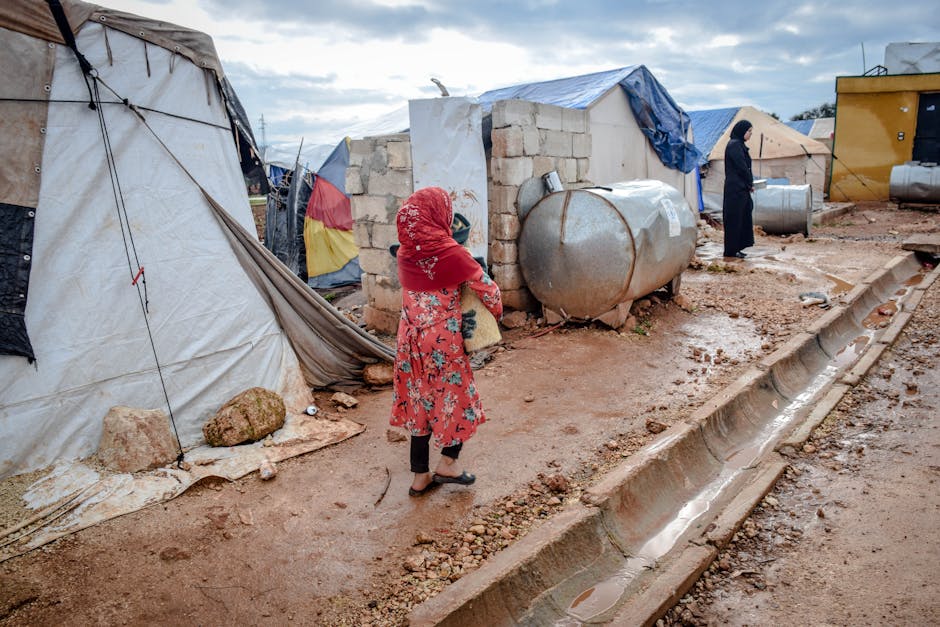
Urban Myanmar has been forced into survival mode. Average citizens, once accustomed to a degree of stability, now grapple with shortages and rising costs of essential goods. The local currency is fast losing its value, and many businesses are unable to sustain operations, leaving scores unemployed. For many, hope, which once flickered at the end of this geopolitical tunnel, has become a new kind of risk—an uncertain gamble with no guarantees.
Shop owners in Yangon lament the loss of both local and foreign customers as insecurity and economic hardship take root. Those with savings hoard what they can, wary of the banking sector's collapse under governmental pressure.
Geopolitical Repercussions
International response to Myanmar's plight has been complicated, to say the least. Regional powers like China and India have taken a cautious approach, weighing their strategic interests carefully against the potential for humanitarian intervention. Meanwhile, Western nations maintain sanctions, aiming to pressure the military regime into political concessions, yet risking further economic alienation for Myanmar's populace.
The geopolitical stalemate limits options for diplomatic engagement, leaving Myanmar's citizens in a precarious position—caught between the military's authoritarian grip and a fragmented resistance that lacks cohesion and resources.
Conclusion and Future Prospects
In the throes of a sustained economic downturn, Myanmar’s urban zones present a microcosm of a nation grappling with instability. As hope fades into potential peril, the need for cautious optimism and international support becomes ever more crucial. Without a viable path forward, the risks of total economic collapse and widespread civil unrest loom larger on the horizon.