Myanmar Junta Air Strike Kills 30+ at Hospital Amid Territorial War
Myanmar's military junta conducted a deadly air strike on a hospital, killing over 30 people as it escalates aerial bombardments against ethnic armies controlling territory.
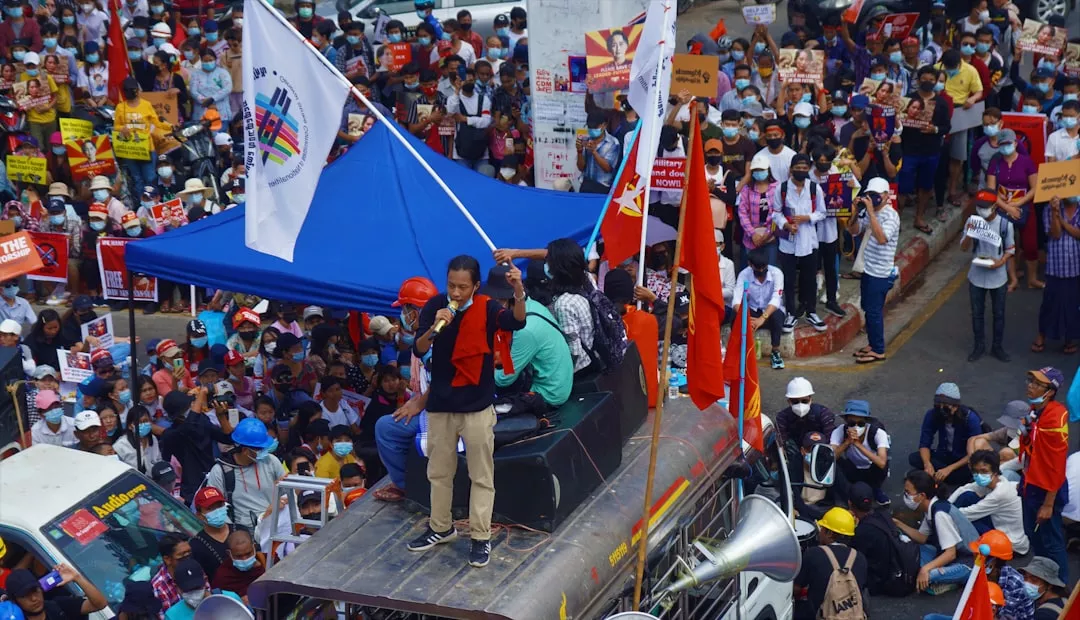
Myanmar's military junta has intensified its brutal crackdown on opposition forces, with a devastating air strike on a hospital that killed more than 30 people, marking another tragic escalation in the country's ongoing civil conflict. The attack represents the military's increasingly desperate attempts to reclaim territory lost to ethnic armies and pro-democracy forces since the 2021 coup.
Escalating Military Tactics
The air strike on medical facilities highlights the junta's shift toward more aggressive aerial bombardment campaigns as ground operations have proven insufficient to regain control over vast swaths of Myanmar territory. This strategic pivot comes as ethnic armies have consolidated their hold on border regions and established effective resistance networks that have frustrated military ground forces.
The targeting of civilian infrastructure, particularly hospitals, represents a concerning development in the conflict's trajectory. Medical facilities are protected under international humanitarian law, and their deliberate targeting could constitute war crimes under the Geneva Conventions. This incident adds to a growing list of civilian casualties that have mounted since the military overthrew the democratically elected government led by the National League for Democracy.
Territorial Control Dynamics
The junta's resort to aerial bombardments reflects its diminishing control over Myanmar's periphery, where ethnic armies have historically maintained autonomous regions. These groups, including the Kachin Independence Army, Karen National Union, and others, have formed unprecedented alliances with pro-democracy forces, creating a formidable coalition against military rule.
The territorial losses have significant strategic implications for the junta, as they control key trade routes, natural resources, and border crossings. The military's inability to maintain ground control has forced it to rely increasingly on air power, despite the severe humanitarian consequences and international condemnation such tactics generate.
International Response and Implications
The hospital bombing is likely to further isolate Myanmar's military government internationally and potentially trigger additional sanctions from the global community. The Association of Southeast Asian Nations (ASEAN), despite its non-interference principle, has already taken unprecedented steps to exclude Myanmar's military leaders from key summits.
This escalation also poses challenges for neighboring countries dealing with refugee flows and cross-border security issues. The intensification of aerial bombardments could drive more civilians to seek refuge in Thailand, China, and India, creating regional humanitarian pressures.
Humanitarian Crisis Deepens
The attack underscores the deteriorating humanitarian situation in Myanmar, where millions have been displaced since the coup. The targeting of medical infrastructure not only causes immediate casualties but also deprives entire communities of essential healthcare services, creating long-term public health consequences that will persist beyond the current conflict.