Khaled Sabsabi's Venice Triumph Amid Terror Accusations
In a twist of fate, Lebanese-Australian Khaled Sabsabi showcases two artworks in Venice, overcoming obstacles from terror accusations.
Defense & Security Editor
Artist Khaled Sabsabi Overcomes Controversy to Shine at Venice Biennale
Lebanese-Australian artist Khaled Sabsabi's journey to the Venice Biennale has been nothing short of tumultuous. Originally hampered by accusations of terrorism, Sabsabi's participation in the prestigious art event was almost derailed. However, after a rigorous evaluation, he was reinstated and arrived with two compelling artworks that project his unique vision to the world.
A Rollercoaster Journey from Australia
Sabsabi’s artistic journey reflects his personal narrative, bridging cultural experiences from Lebanon and Australia. Born in Lebanon, he migrated to Australia amid the Lebanese Civil War. These dual cultural influences deeply inform his work, often focusing on themes of displacement, identity, and the human condition.
The initial allegations, claiming Sabsabi supported terrorism, were rooted in misinterpretations of his art, which often explores complex, politically sensitive themes. This situation underscores the precarious balance artists must navigate between expression and political perception.
Art at the Intersection of Conflict and Peace
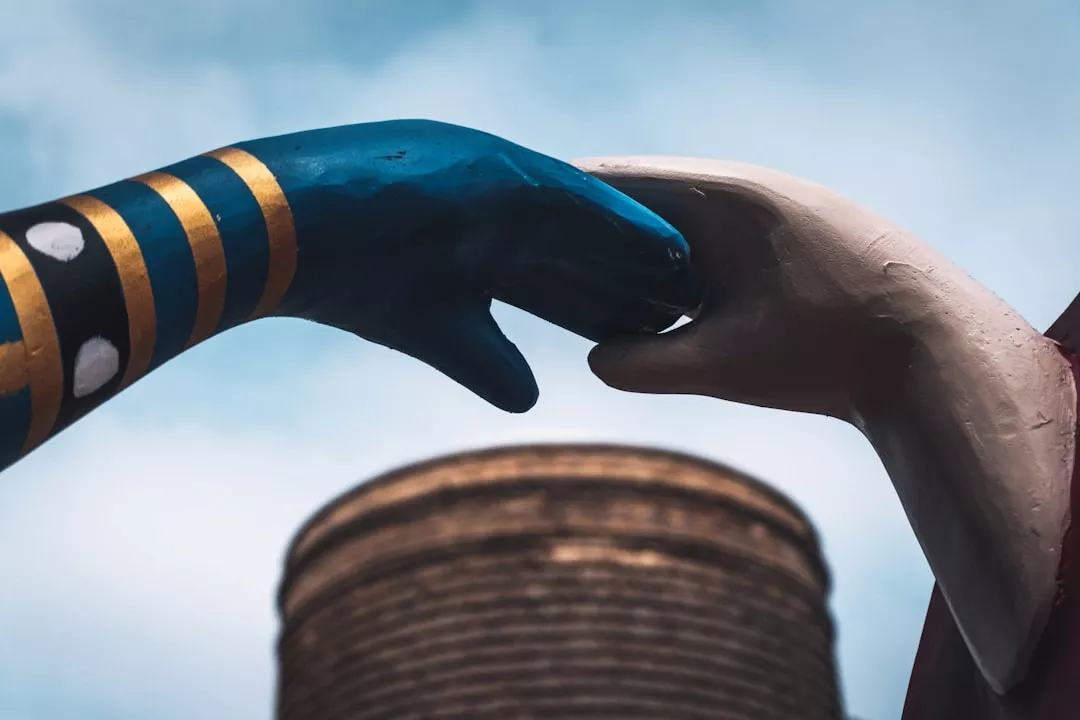
Sabsabi’s works for the Biennale include two installations. “A Promise,” a poignant reflection on the fragility of commitments, and “Time,” an exploration of continuity amid chaos. Both pieces resonate with his theme of search for peace amidst personal and collective turmoil.
His involvement in the Biennale, despite initial setbacks, highlights the resilience of artists in the face of adversity. It also raises crucial questions about the intersection of art and politics and how creative expressions are interpreted through geopolitical lenses.
Geopolitical Implications of Artistic Freedom
The controversy surrounding Sabsabi draws attention to broader debates about freedom of expression and cultural interpretation in different geopolitical landscapes. His situation is indicative of challenges faced by artists, particularly those from conflict-afflicted regions or diasporas, who present narratives that can easily be misinterpreted as offensive or politically charged.
This incident also shines light on the political oversensitivity prevalent in the global cultural sphere. Misunderstandings like these can stifle artistic innovation and limit the public’s exposure to diverse perspectives that challenge mainstream narratives.
Broader Impact on Art and Geopolitics
Khaled Sabsabi’s experience hints at a larger conversation about the resilience of global art communities and their role in cultural diplomacy. Art has the power to transcend boundaries, offering a platform for dialogue across divides, yet it remains vulnerable to misinterpretation which can lead to public and political backlash.
As the Venice Biennale showcases Sabsabi’s work, it not only emphasizes the importance of artistic expression but also emboldens other artists to continue pushing against boundaries, using art as a means to foster understanding and peace in times of conflict.
Why It Matters
Why It Matters
Khaled Sabsabi's situation illustrates the delicate and often contentious interface between art and geopolitics. In a world where cultural narratives are deeply influenced by regional and political biases, his experience underscores the need for platforms where artists can express freely without fear of persecution based on misinterpretation. This instance is critical not just for the art community, but also for policies shaping cultural exchanges and the safeguarding of global artistic freedom. Sabsabi's success in overcoming allegations and participating in the Biennale might inspire changes in how cultural institutions assess and protect artistic expression from political consequences, fostering a more open environment for diverse cultural dialogues.