Def Leppard Rocks Paris: Historic Return After 30 Years
Def Leppard returns to Paris for a landmark concert after 30 years, igniting fans with classic nostalgia and new music. Learn about the cultural impact.
Africa & Global Economy Correspondent
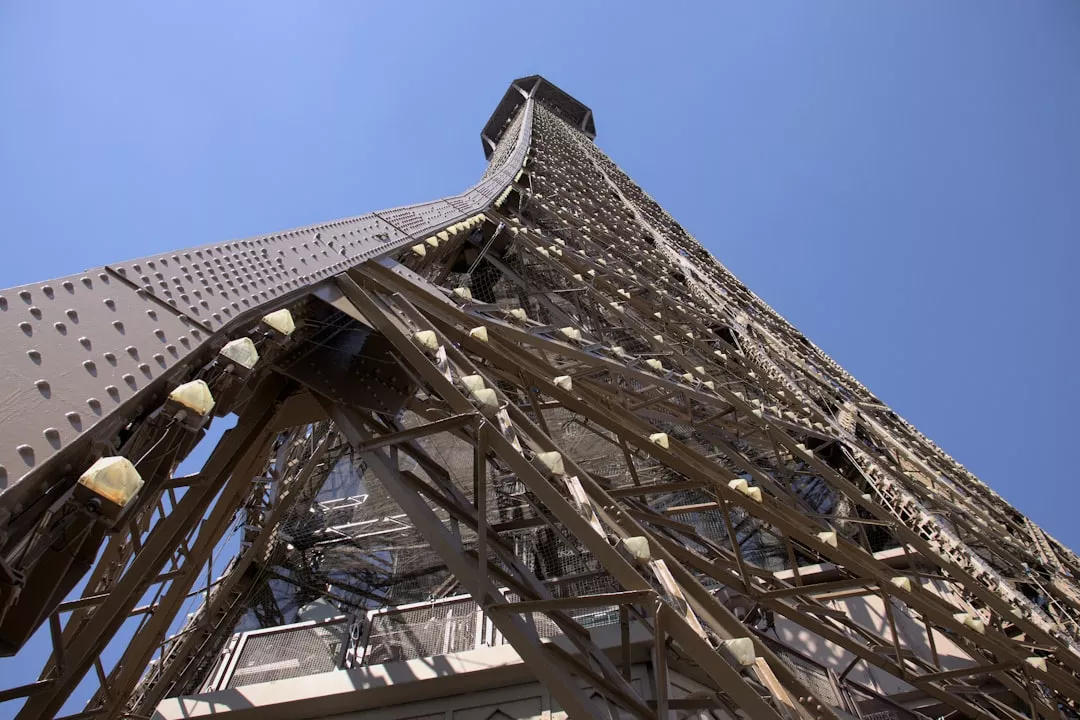
In a thrilling announcement for rock enthusiasts, Def Leppard, the iconic British band that defined much of the 1980s rock scene, is returning to Paris for the first time in 30 years. Their concert at the Accor Arena, scheduled for July 8th, marks a significant occasion not just for the band but also for rock music aficionados in France and across Europe.
Def Leppard's Legacy and French Connection
Def Leppard made waves with their revolutionary approach to rock music throughout the 1980s and early 1990s. With hits like 'Pour Some Sugar on Me' and 'Love Bites', they captured international attention, including a fervent fanbase in France. Their return to Paris after three decades is a nostalgic nod to their enduring legacy and universal appeal.
The announcement coincided with the release of their latest track, 'Rejoice', which serves as a bridge connecting the classic euphoria of their earlier work with a modern twist. Fans eagerly anticipate how this blend of old and new will transcend in a live performance setting.
Cultural and Music Scene in Paris
Paris has long been a bastion for cultural exchange and musical innovation. Hosting a wide variety of genres and artists from around the world, it provides a vibrant backdrop for a band like Def Leppard. The city's musical tapestry is as eclectic as it is traditional, offering something for every audience. This concert represents not only a musical happening but a cultural exchange steeped in the historical connectivity of music across ages and borders.
As Paris gears up for this monumental event, music lovers can also look forward to releases from other significant artists like Tori Amos, Lykke Li, Lady Gaga, and Doechii. Their contributions continue to enrich the musical landscape, offering a wide scope of creativity and emotion that Parisian audiences can savor.
Regional and Geopolitical Implications
Events like these have broader implications beyond just the entertainment facet. Music remains a powerful tool of cultural diplomacy, influencing international relations subtly through the arts. Def Leppard's Paris concert underscores the enduring cultural ties between Britain and France. In a post-Brexit world, cultural events such as these play an indirect yet pivotal role in maintaining and celebrating shared histories and values.
The concert’s impact goes beyond entertainment, as it underscores the importance of soft power in international politics. It highlights how shared cultural experiences can bridge divides and foster collaboration.
As countries grapple with geopolitical tensions and the European Union navigates its future relations with the UK, such events remind us of the power of cultural diplomacy in maintaining peaceful dialogues and fostering economic relations.
The Return of Live Music and Its Economic Impact
The post-pandemic landscape sees a renewed appreciation for live music, an industry that suffered significant setbacks during COVID-19 restrictions. The return of iconic bands to international stages represents a revitalization of this sector, offering economic boosts to hosting cities through tourism and associated business. Concerts revive local economies suffering from pandemic-inflicted stagnation, signaling recovery and hope.
The Global Context and Cultural Resurgence
While the concert is a local affair, it is emblematic of a global resurgence in live events. Music as a universal language continues to foster connections and heal communities worldwide, proving vital in an era characterized by division.
Why It Matters
The return of Def Leppard to Paris holds deeper geopolitical significance than meets the eye. Such events highlight the ongoing cultural exchange that remains pivotal for international diplomacy. The band’s performance acts as a cultural bridge between the UK and France, showcasing the role of music in transcending political boundaries and fostering goodwill amidst a post-Brexit Europe.
This concert also reflects the resilience of the cultural sector in the face of recent global challenges, demonstrating music's integral role in societal recovery and healing. Observers should note the potential ripple effects as these cultural interactions often precede more formal diplomatic engagements, illustrating a softer side of international relations.