Japan's Antiwar Protests: Public Reacts to Military Build-up
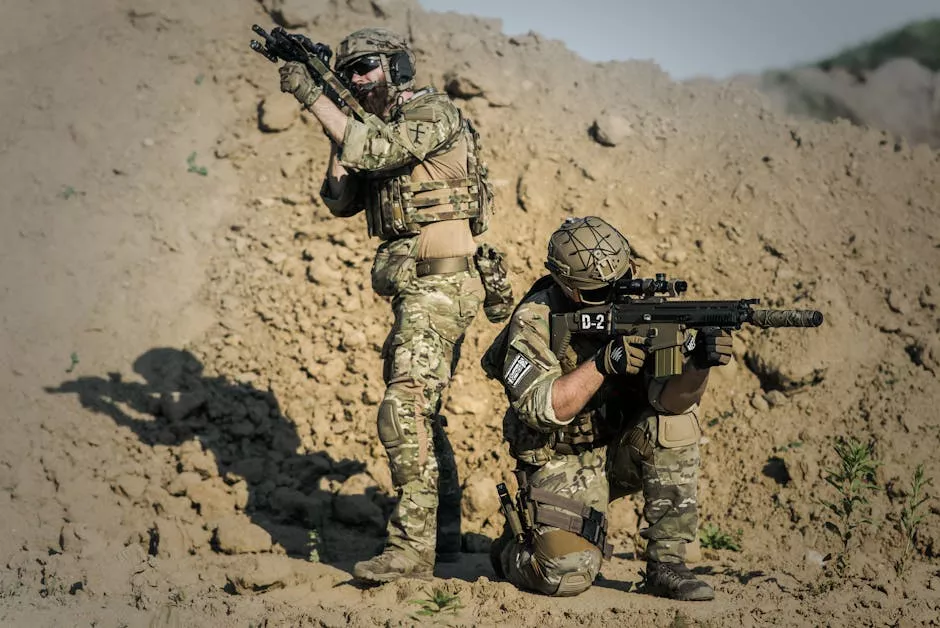
Japanese citizens rally against Prime Minister Sanae Takaichi’s militarization plans, challenging the nation's pacifist post-war stance.
Middle East & Diplomacy Specialist
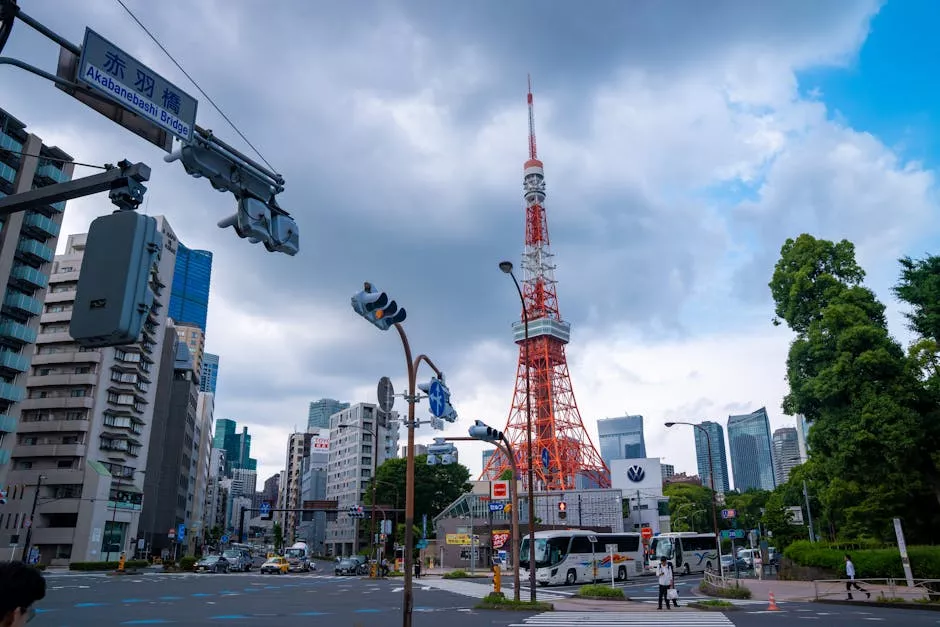
Japan, a nation historically recognized for its pacifist stance in the post-World War II era, is currently witnessing significant protests against the government's new military policies. Prime Minister Sanae Takaichi's push to enhance Japan's military capacity has sparked heated debates and drawn thousands of demonstrators to the streets. These developments have profound implications for Japan's national identity and its role on the global stage.
Historical Context: Japan's Pacifist Tradition
In the wake of its defeat in World War II, Japan adopted a pacifist constitution in 1947, famously embodied in Article 9, which renounced war as a sovereign right and forbade the maintenance of military forces. This legal framework has since shaped Japan's international posture as a nation determined to avoid the perils of militarism that once led to devastating conflict.
Over the decades, Japan's Self-Defense Forces (SDF) have operated under strict limitations, focusing on defensive capabilities and avoiding any form of power projection. However, regional security dynamics have increasingly challenged this pacifist identity. North Korea's missile tests, China's military assertiveness, and the evolving US-Japan security alliance have all contributed to debates over Japan's defense policy.
The Government's Shift: Takaichi's Military Reforms
Prime Minister Takaichi's administration argues that a stronger military posture is necessary to protect Japanese interests amid regional instability. The proposed reforms include increasing defense budgets, enhancing missile capabilities, and revising the constitutional constraints on Japan's military operations.
The government maintains that these steps are crucial to ensuring Japan's security against potential threats, especially given the increased military activity in the Indo-Pacific region. Supporters of the reforms argue that a more robust military will deter aggression and strengthen alliances.
Public Opposition and Protest Movements
Despite the government's rationale, a significant segment of the Japanese population views these moves as a dangerous departure from the pacifism that has ensured peace for over seventy years. Protesters, comprising both older generations who recall the horrors of war and younger citizens who fear the consequences of militarization, have vociferously voiced their dissent.
Many demonstrators argue that strengthening military forces contradicts Japan's commitment to peace and could potentially provoke regional arms races. The rallies have united diverse groups, including civil society organizations, pacifists, academics, and opposition political parties, all insisting on maintaining Japan's pacifist principles.
Geopolitical Implications: Japan's Regional Role
Japan's shift from pacifism to a more assertive defense policy could reshape regional dynamics significantly. Takaichi's military plans may alarm neighboring countries, particularly China and North Korea, potentially exacerbating regional tensions. Additionally, these changes could alter the nature of Japan's alliance with the United States, shifting from reliance on US military support to a more balanced partnership.
Observers around the world are watching closely, as Japan’s decisions could set precedents for other nations in similar dilemmas, balancing non-aggression with necessary defense preparedness.
Conclusion: Japan at a Crossroads
As antiwar protests continue, Japan stands at a critical juncture. The outcomes of these policy debates will not only redefine its national identity but also influence global perceptions of its role in regional security. The question remains whether Japan will maintain its pacifist legacy or embrace a future with stronger military capabilities to deter threats.
Why It Matters
Japan's current antiwar protests are not just about military policy but encompass broader questions about identity and values. The shift away from pacifism reflects Japan's strategic repositioning amid a volatile geopolitical landscape. This situation holds significant global consequences, as it could lead other traditionally pacifist countries to rethink their defense strategies. Additionally, any increase in military capabilities could prompt regional arms races, altering the balance of power in the Indo-Pacific. Observers should monitor how Japan balances its pacifist ideals with new security policies and the subsequent reactions from neighboring countries and global powers.