Trump Brokers Historic 3-Day Ceasefire: Ukraine and Russia Agree
US's Trump announced a surprising 3-day ceasefire between Ukraine and Russia, ensuring a prisoner exchange and opening doors for diplomatic dialogue.
Senior Geopolitical Analyst
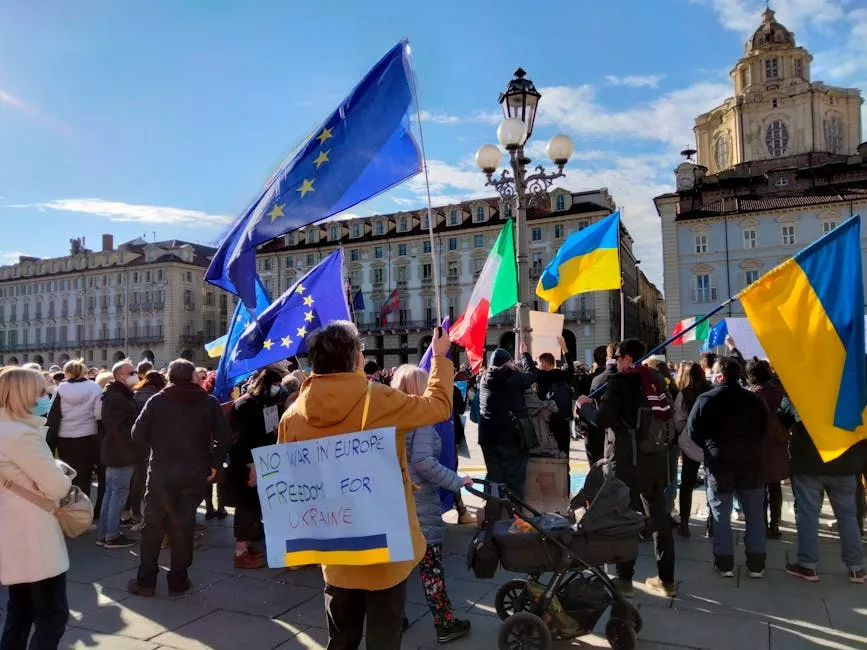
In a significant diplomatic development, former US President Donald Trump has successfully brokered a three-day ceasefire agreement between Ukraine and Russia. Both nations have agreed to halt fighting from May 9 to May 11, with the commitment to exchange 1,000 prisoners each. This unexpected announcement has been confirmed by both Ukrainian and Russian authorities, marking a rare pause in hostilities that have afflicted the region for years.
Historical Context
The conflict between Ukraine and Russia has its roots in the annexation of Crimea by Russia in 2014, which followed Ukraine's Maidan revolution. The subsequent war in the Donbas region has led to over 13,000 deaths and massive displacement of people, creating a humanitarian crisis at Europe's doorstep.
Numerous attempts at peace, including the Minsk agreements, have faltered amid accusations and counter-accusations from both sides, often involving indirect support from global powers with vested interests. The US's involvement in the peace process has traditionally been characterized by sanctions and diplomatic efforts at containment rather than direct negotiation.
Ceasefire Details
This ceasefire, although brief, carries significant weight. Falling over a period marked by historical commemoration—the end of World War II in Europe—it could symbolize a turning point in efforts to broker a lasting peace. The agreed-upon prisoner exchange adds a human dimension to the truce, providing a glimmer of hope for hundreds of families separated by war.
Regional Reactions
Across Europe, the reaction to this announcement has been mixed. While some European leaders have welcomed the ceasefire, viewing it as a critical first step toward renewing stalled peace talks, others remain skeptical. Issues such as the return of annexed territories and the full withdrawal of Russian-backed forces remain unresolved, casting doubts on the long-term effectiveness of this agreement.
NATO and European Union officials have cautiously expressed hope that this ceasefire could reduce immediate tensions and potentially lead to more comprehensive negotiations on regional security.
Geopolitical Implications
From a geopolitical perspective, Trump's intervention in the crisis may signal a shift in the power dynamics of the peace process. Traditionally led by European players under the Normandy Format, Trump's involvement suggests a possible reconfiguration, where American diplomatic maneuvers could restart stalled negotiations under a new framework.
The ceasefire also underscores the complex web of international relations involving the US, Russia, and the EU, with potential ripple effects that could touch upon other regional conflicts, such as those in Georgia and Moldova, where Russian interests are also at play.
The Road Ahead
While this development is indeed promising, it is only a precursor to what will undoubtedly be complex and challenging negotiations. The international community, particularly stakeholders in Europe, will keenly observe if this temporary lull can transition into a stable peace process.
The upcoming days will be crucial in determining whether this ceasefire can be extended or transformed into a sustained dialogue that addresses the core issues at the heart of the conflict.
Why It Matters
The announcement of a three-day ceasefire between Ukraine and Russia brokered by former President Trump is a pivotal moment in the protracted conflict. Its significance lies not only in the immediate cessation of violence but also in the potential to reignite diplomatic dialogue on the global stage. The ceasefire marks a rare point of collaboration and an opportunity to refresh efforts towards negotiating peace in Eastern Europe, a region fraught with persistent insecurity and geopolitical tension.
This development is particularly relevant given the broader geopolitical landscape, where tensions between Russia and Western powers have intensified over the past decade. Observers should watch how this ceasefire influences future interactions between NATO and Russia and the role the US will play in European security matters moving forward. Success could encourage similar approaches in other contested regions, whereas failure might harden positions and deepen divisions.