Russia's Scaled-Back Victory Day Parade: Geopolitical Signals
Russia's May 9 Victory Day celebrations are more subdued this year, with parades in Moscow downsized and others canceled amid ongoing tensions with Ukraine.
Africa & Global Economy Correspondent
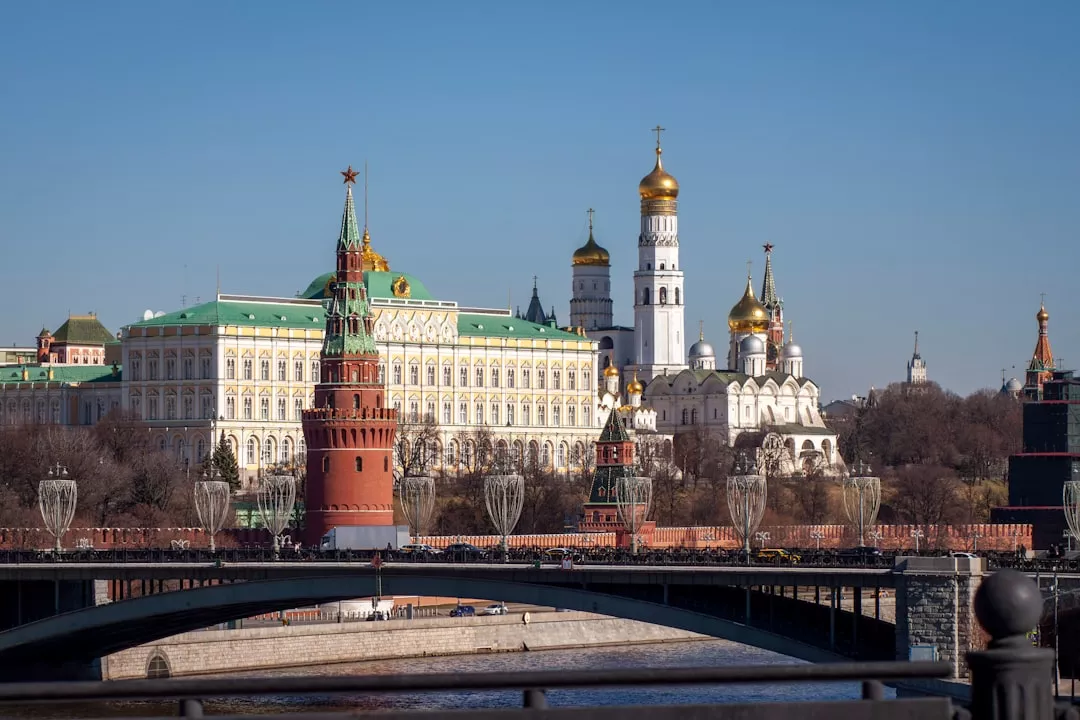
Each year, on May 9th, Russia showcases its military prowess with grandiose parades celebrating the Soviet victory over Nazi Germany in 1945. This year's celebrations, however, are markedly subdued, with the Kremlin announcing reduced festivities in Moscow and cancellations in other regions. The official line from Moscow points to security concerns stemming from ongoing conflicts with Ukraine. But what does this scaling back signify in the broader geopolitical landscape?
Historical Significance of Victory Day
Victory Day has long held a prominent place in Russian national identity. It is both a remembrance of past glories and a statement of present strength. The parade typically features display of military hardware, including tanks and nuclear-capable missiles, serving as a reminder of Russia's military capabilities. Historically, these parades are not just internal demonstrations of might, but also an opportunity to project power externally, invoking both respect and caution globally.
Regional Dynamics and Implications
In the context of current Russo-Ukrainian tensions, the parades carry added significance. The ongoing conflict in Eastern Ukraine, exacerbated by Russia's annexation of Crimea in 2014, has strained Moscow's relations with Western nations. Over recent months, military clashes and sanctions have further isolated Russia geopolitically. The decision to tone down Victory Day celebrations can be seen as a response to these external pressures.
Kremlin officials have attributed the scaled-back parades to amplified threats from Ukraine, a claim experts suggest might be politically motivated. By citing security risks, Russia could be aiming to garner domestic support, attributing external aggression to justify internal challenges and actions.
Geopolitical Considerations
The downscaling of Victory Day parades in Russia is not only a domestic issue but also one with international ramifications. It serves as a barometer reflecting Russia's current strategic posture and its view of global alignments. Amid heightening sanctions and diplomatic frictions with NATO countries, such decisions can influence global perceptions and diplomatic engagements.
Moreover, Russia's choice might impact its relationships with allied nations, showcasing an image of cautious reorganization rather than unchecked militarism. The optics of such events scrutinized by global media can have long-lasting impacts on Russia's international standing and its strategic objectives in Europe and beyond.
The Domestic Angle
Domestically, the reduced scale of celebrations also signals a potential pivot in addressing economic constraints exacerbated by sanctions. With economic difficulties looming, allocating resources to military pageantry might be perceived unfavorably by Russian citizens facing internal challenges. Thus, the decision to downplay the parade could reflect an acknowledgment of the balancing act between patriotic fervor and practical governance needs.
Future Prospects
Looking ahead, it remains to be seen if this represents a strategic recalibration by the Kremlin or a temporary response to current events. Russia's future military engagements or diplomatic progresses might provide further clarity. Analysts will be watching closely to see if further escalations or de-escalations in military posturing occur as a consequence of these altered Victory Day festivities.
In conclusion, Russia's decision to scale back its May 9th activities might present an important reflection on its international strategies and internal recalibrations. As such, observing Russia's subsequent political and military maneuvers in this light could offer insights into future geopolitical patterns.
Why It Matters
Why It Matters
The scaling back of Russia's Victory Day parade is significant for several reasons. First, it highlights Russia's current geopolitical isolation and the constraints imposed by international sanctions and diplomatic pressures. Second, it signals an internal reassessment of how nationalistic displays align with present economic realities. Third, it offers a potential glimpse into Russia's future policy directions, as any further reduction in military exhibition might indicate a pivot towards de-escalation or re-engagement with global partners. Finally, the move forces global leaders to reevaluate their strategies towards Russia, weighing the potential for diplomatic bridges against the backdrop of historical tensions.