Israeli Airstrikes in Lebanon Escalate Regional Tensions
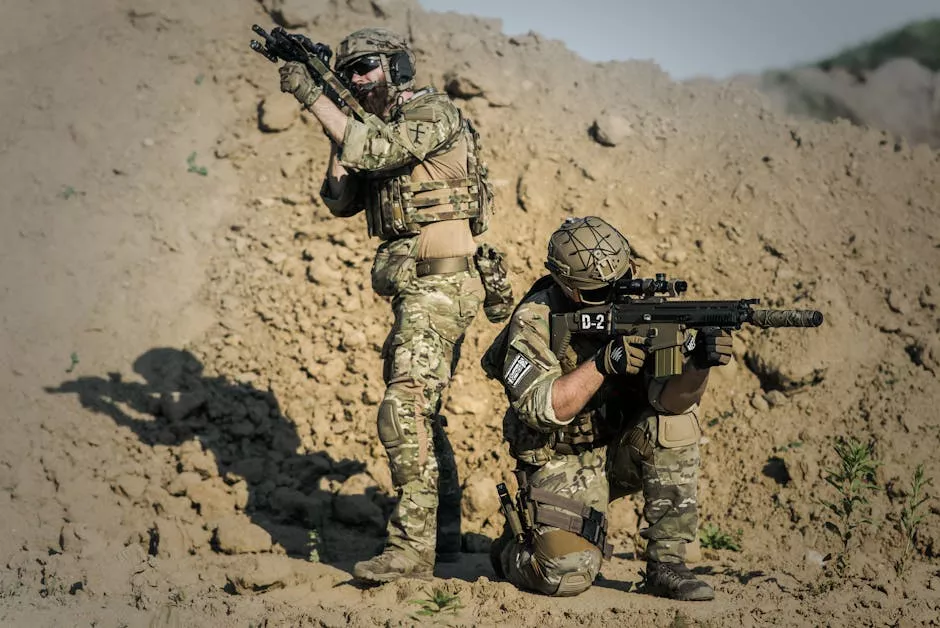
Israeli airstrikes in Lebanon have resulted in at least 10 deaths, marking a significant escalation since the last ceasefire.
Defense & Security Editor
In a sudden escalation of regional tensions, Israeli airstrikes in Lebanon have claimed the lives of at least 10 people. This recent action signifies one of the most deadly strikes in the region since a ceasefire halted hostilities between Israel and Hezbollah years ago. This breach not only stirs the decades-old animosity but also risks further destabilizing the volatile Middle East region.
Background and Context
The roots of the Israeli-Lebanese conflict date back to the mid-20th century, with conflicting territorial claims and political tensions exacerbating the situation over decades. Following decades of skirmishes, the notable 2006 war between Israel and Hezbollah proved a major watershed, leading to a fragile ceasefire brokered by international mediators. This ceasefire has been tested repeatedly with sporadic violence but had largely held until this recent escalation.
The Immediate Aftermath
The immediate response to the airstrikes has been one of international concern. Lebanon's government has condemned the actions, labeling them as gross violations of their sovereignty and appealing for international intervention. Israel, on the other hand, has justified the strikes as retaliatory, citing provocations along its northern border as the basis for its military response.
Regional Reaction
The strikes have drawn stark reactions from key regional players. Iran, a staunch supporter of Hezbollah, has decried the strikes, further pledging support to its Lebanese allies. Conversely, Arab states, particularly those under the Abraham Accords, have been conspicuously silent or urged restraint on all sides. This dichotomy highlights the complex tapestry of alliances and enmities shaping Middle Eastern geopolitics.
International Response
The United Nations and European Union have both called for immediate de-escalation, fearing a spill-over of violence could destabilize the broader region. The U.S., a traditional ally of Israel, has tread a careful line, reiterating support for Israel's right to self-defense while urging restraint to avoid a full-scale conflict akin to the 2006 war.
Potential Implications
Analysts warn that ongoing hostilities could derail progress made over recent years towards regional peace. The strikes might invigorate Hezbollah to further solidify its military position within Lebanon, complicating the internal political dynamics of an already beleaguered government struggling with economic and political crises.
Additionally, this violence could undermine current negotiations related to Middle East peace. The international community watches cautiously, aware that outcomes from these incidents might affect energy markets, refugee flows, and broader geopolitical stability in a region that holds significant strategic importance for global superpowers.
Why It Matters
Why It Matters: The resumption of open hostilities between Israel and Hezbollah in the absence of diplomatic dialogues presents a grave threat to regional stability. Renewed violence risks dragging neighboring countries into a wider conflict, potentially involving major global powers either directly or through proxy support. With Lebanon facing a profound economic crisis, further violence erodes any semblance of national stability, complicating humanitarian efforts. Observing how regional alliances react to this development will be critical, as any misstep could trigger a broader confrontation. The possibility of a regional peace framework being put to test is high, and stakeholders must tread carefully to preserve what fragile peace remains.