Palestine Marathon Showcases Global Unity Amid Gaza Conflict
13,000 runners converge to highlight resilience amid Gaza's increasing violence.
Africa & Global Economy Correspondent
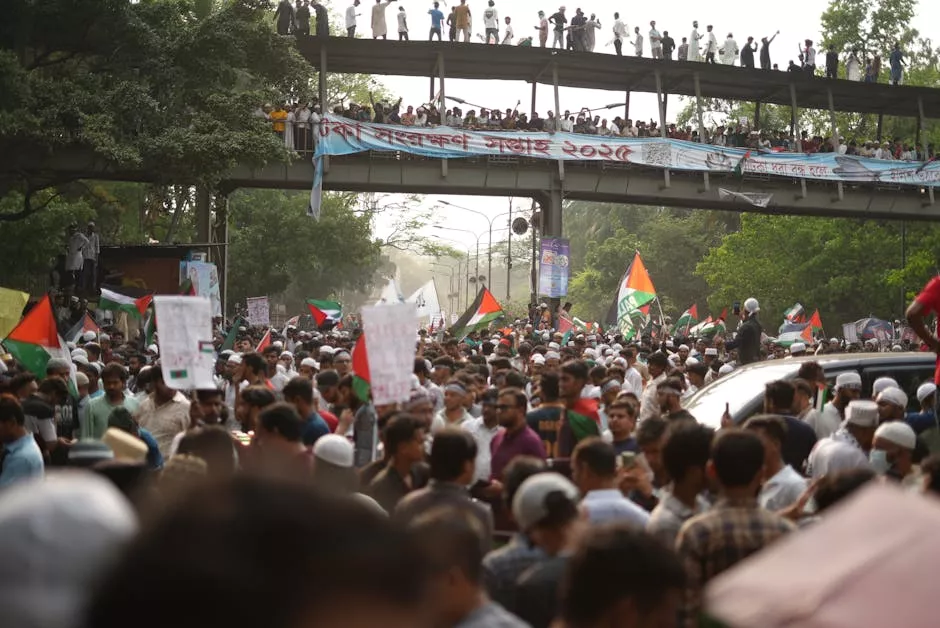
The recent Palestine Marathon drew an impressive 13,000 athletes from across the globe, uniting participants in a message of resilience against the backdrop of intensifying violence in Gaza and the West Bank. As runners navigated the historical streets of Bethlehem, their collective footsteps echoed a powerful call for peace and solidarity with the Palestinian people. This annual event, more than a mere athletic competition, serves as a poignant reminder of the region's enduring struggle and the universal human yearning for freedom and justice.
A History of Endurance
Since its inception, the Palestine Marathon has been a space not just for athletic prowess, but for political expression and cultural affirmation. The event, initially organized to spotlight the restrictions on movement faced by Palestinians, has grown into a symbol of resistance against the ongoing Israeli occupation. Each stride taken by a runner reflects the checkpoints and separation barriers that fragment the West Bank, linking sports with a broader narrative of human rights and international law.
Regional Tensions Intensify
The marathon's atmosphere was palpably charged given the current upsurge of violence between Israel and Hamas. The Israeli military's ongoing operations in Gaza, met with retaliatory rocket attacks, have resulted in significant casualties. This cycle of conflict reverberates deeply throughout the entire region, intensifying the marathon's message. The runners' commitment to the race under these circumstances highlighted their solidarity with the Palestinian cause.
While participants carried a message of peace, Israeli authorities maintained heightened security measures, reflecting the complex and volatile nature of the present geopolitical landscape. Marathon organizers and local authorities worked together to ensure the safety of both the athletes and spectators, underscoring the persistent challenges that define daily life in this part of the world.
Global Resonance and Support
The international presence at the marathon underscores the global resonance of the Palestinian struggle. Participants from various countries used their platforms to amplify messages of unity, urging for an end to hostilities and the establishment of lasting peace. Social media has played a crucial role in broadcasting these messages, helping to draw attention to the broader situation in Palestine.
This year's marathon coincided with a period of increased international scrutiny on Israeli policies in the region. Human rights organizations and foreign governments have expressed concerns over military actions in Gaza, prompting calls for restraint and negotiation. The visibility brought by the marathon adds another layer of pressure on the international community to respond decisively.
Geopolitical Implications
The marathon occurs amidst geopolitical shifts. While it is a grassroots event, the Palestine Marathon symbolizes a larger narrative—a demand for political recognition and sovereignty. The global support witnessed this year hints at changing tides in international public opinion towards the Israeli-Palestinian conflict.
Beyond awareness, these shifts could influence diplomatic relations and the strategies pursued by key actors in the region. As the violence in Gaza escalates, regional stability remains perilously uncertain, emphasizing the need for renewed diplomatic efforts and a comprehensive peace process. The marathon stands as a call to action for policymakers to address the root causes of the conflict rather than its symptoms alone.
Why It Matters
The Palestine Marathon holds significant geopolitical importance beyond its athletic premise. It serves as a lens through which the global community views the continuing Israeli-Palestinian conflict. At a time when tensions are mounting, this event underscores the urgent need for international diplomatic intervention to pave the way for peace negotiations. The marathon also challenges the prevailing narratives by highlighting local voices and stories of resilience, reinforcing the human element in what is often regarded as a geopolitical dispute. As escalating violence pushes Gaza into the headlines, this event draws attention to the broader implications for regional stability and international relations. It is a reminder that grassroots movements can exert pressure on global institutions to prioritize dialogue over division.