Iran Rejects Trump's Negotiation Claims Amid Ongoing Strikes
Iran denies reports of US-Iran talks as military strikes persist, with casualties mounting in Tehran.
Africa & Global Economy Correspondent
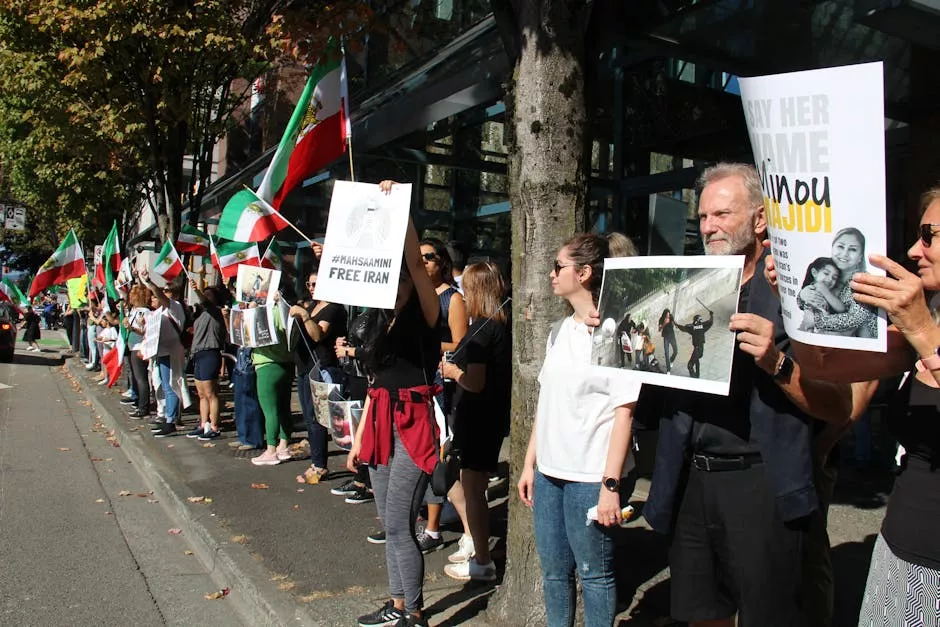
Tensions in the Middle East have escalated as Iran firmly dismissed claims by former U.S. President Donald Trump about ongoing negotiations between the U.S. and Iran. The Iranian military's strong rebuttal comes amid a backdrop of continued U.S.-Israeli military strikes on Iranian soil. The significant escalation has resulted in at least 12 fatalities and over two dozen injuries recently reported in Tehran.
Details of the Recent Attacks
The recent surge in military activity, underscored by the deadly airstrike on Tehran, has contributed to the mounting tensions between Iran and the coalition forces. Despite the purported claims of diplomatic engagement, military operations have intensified, aiming to curb Tehran's growing influence in the region.
Historical Context of U.S.-Iran Relations
The fraught relationship between the U.S. and Iran has its roots in decades of mistrust and conflict. Since the 1979 Iranian Revolution, which resulted in the overthrow of the U.S.-backed Shah, relations have never fully recovered. The hostage crisis of the same year, followed by periods of increased military posturing and economic sanctions, have painted a complex picture.
During Trump's presidency, the U.S. withdrew from the Joint Comprehensive Plan of Action (JCPOA) in 2018, reinstating crippling sanctions on Iran. This unilateral decision significantly deteriorated diplomatic relations and shifted the regional power dynamics once again.
Regional Perspectives and Reactions
The ongoing conflict affects not just Iran but has overarching implications for the broader Middle East. Neighboring countries, such as Iraq and Syria, are concerned about the potential spillover effects of increased hostilities. Additionally, nations in the Gulf, including Saudi Arabia and the UAE, continue to watch developments closely given their intricately linked geopolitical and economic interests.
Geopolitical Implications
The strategic consequences of these escalations are profound. If the military confrontations persist, the potential for broader regional conflict looms large. The alliance between the U.S. and Israel is more critical now than ever, considering the regional security architecture and the perceived threat from Iran.
Moreover, the discord over the narrative of negotiation points to broader challenges in achieving any form of diplomatic breakthrough. If diplomatic channels remain as convoluted and fraught with misinformation as they currently appear, progress towards de-escalation remains unlikely.
For international stakeholders, including European powers and Russia, the focus remains on balancing regional stability while protecting their distinct interests. This includes energy security, given the region's pivotal role in global oil and gas supply chains, and broader strategic influence across political and military domains.
Concluding Thoughts
In an era where information is both a weapon and a tool for diplomacy, discerning the difference remains pivotal for stakeholders. While participating states postulate varying motives, rhetoric, and commitments, understanding contextual realities becomes essential for forecasting potential outcomes.
Why It Matters
The ongoing U.S.-Israeli military operations in Iran and the surrounding narratives about negotiations underscore the critical geopolitical tensions that define current Middle-Eastern affairs. This situation highlights the intersecting interests of regional powers, as well as external influence from superpowers like the U.S. and Russia.
Why does this matter? For one, it shows the complexities within U.S. foreign policy postures and alliances, especially in a region as volatile as the Middle East. Secondly, it casts light on the precariousness of diplomatic engagements where multiple narratives and interests converge without a clear resolution pathway.
Moving forward, observers should watch the regional diplomatic alignments and military strategies of countries involved, as they will serve as telling indicators of future conflict or peace trajectories. Understanding the interplay of military might and diplomacy remains key in deciphering potential peace settlements.