Global Climate Crisis Escalates as Oceans and Glaciers Suffer
With oceans reaching unprecedented temperatures and glaciers receding, WMO calls for immediate fossil fuel reduction to mitigate worsening climate change.
Defense & Security Editor
In an alarming report, the World Meteorological Organization (WMO) has sounded the alarm on what it describes as an unprecedented climate imbalance. The world's oceans, crucial bastions of biodiversity and climate regulation, have recorded their highest temperatures for nine straight years. Simultaneously, glaciers, from the towering Himalayas to the icy expanses of Antarctica, are retreating at an alarming rate. These dual phenomena of oceanic warming and glacial melting are reshaping not only our physical world but also our economic and geopolitical landscapes.
Historical Context and Signs of Change
The evidence of climate change has been mounting for decades. Since the late 20th century, scientists have warned that the continuous burning of fossil fuels would alter the planet's climate systems. The carbon emissions stemming from coal, oil, and natural gas have augmented the greenhouse effect, trapping heat in our atmosphere. While early environmental movements in the 1970s and 1980s succeeded in raising awareness, substantial policy changes have frequently been stalled by political and economic interests.
Yet, the visible signs of climate change are rapidly emerging. The Arctic sea ice extent has reached some of its lowest levels in recorded history. Coral reefs, like Australia’s Great Barrier Reef, are experiencing mass bleaching events due to rising water temperatures.
Regional Implications and Challenges
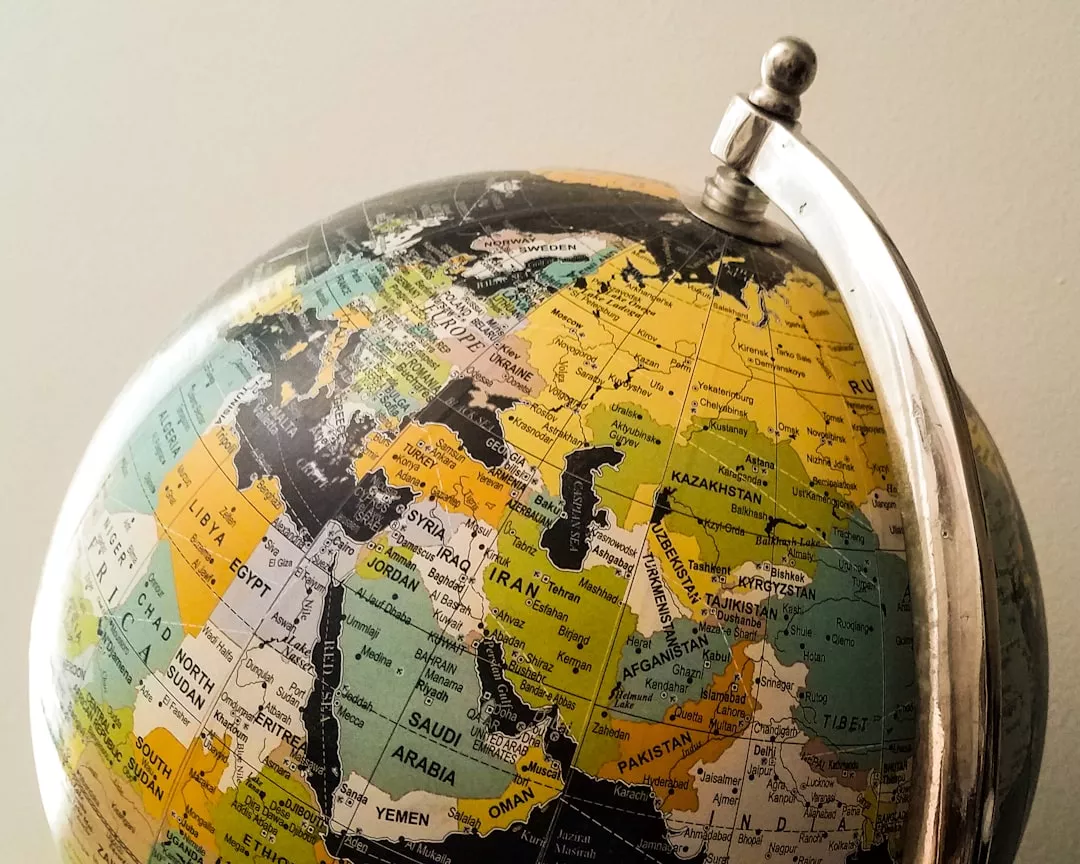
The current climatic upheavals carry specific regional ramifications. In the Indo-Pacific, nations face heightened risks of typhoons and monsoons, transforming local economies and raising food security concerns. The ice loss from glaciers in the Himalayas threatens water supplies for millions across South Asia, a region already burdened by socioeconomic challenges.
Similarly, in the Americas, hurricanes intensified by warmer ocean waters are devastating coastal areas with unprecedented ferocity. For instance, in 2020, the Atlantic hurricane season was the most active on record, profoundly affecting countries from the USA to Central America.
Geopolitical Considerations
The uneven impact of climate change has the potential to exacerbate global inequalities, breeding political instability. Nations heavily reliant on agriculture may witness fluctuating productivity due to altered weather patterns, leading to internal displacement and economic strain. The potential for 'climate refugees' to seek shelter across borders introduces new diplomatic challenges.
Moreover, as nations confront these environmental stresses, the clamor for vital resources like fresh water could fuel conflicts. In the Middle East, for example, droughts accentuated by climate change have exacerbated existing tensions, underscoring the need for international cooperation on water-sharing agreements.
Call for Action
The WMO's report reiterates a clear message: to stymie the most severe impacts of climate change, the global community must urgently transition away from fossil fuels. Previous international efforts, most notably the Paris Agreement, aimed to limit global warming to well below 2 degrees Celsius above pre-industrial levels. However, achieving these goals necessitates political will and cooperation on an unprecedented scale.
Economic incentives for green technology adoption, backed by enhanced international collaboration, may provide pathways to a more sustainable future. Nations must not only pledge but also fulfill their commitments to reduce carbon emissions.
Why It Matters
As the planet's climatic systems face relentless alterations, the geopolitical implications are profound. Climate change acts as a 'threat multiplier,' where existing vulnerabilities in regions are exacerbated, leading to potential instability. Nations with already fragile economies could struggle to cope with the compounded effects of resource shortages and natural disasters. On the global stage, this can shift power dynamics, with countries that adapt to and mitigate climate impacts gaining strategic advantages. For readers, it's crucial to watch how international diplomacy evolves to address these challenges, especially in forums like the UN Climate Change Conferences. How countries balance economic growth with sustainable practices could dictate future international relations.