Norway Faces Backlash Over North Sea Gasfield Reopenings
Norway's decision to reopen North Sea gasfields sparks global debate amid regional tensions and energy crises.
Senior Geopolitical Analyst
Introduction
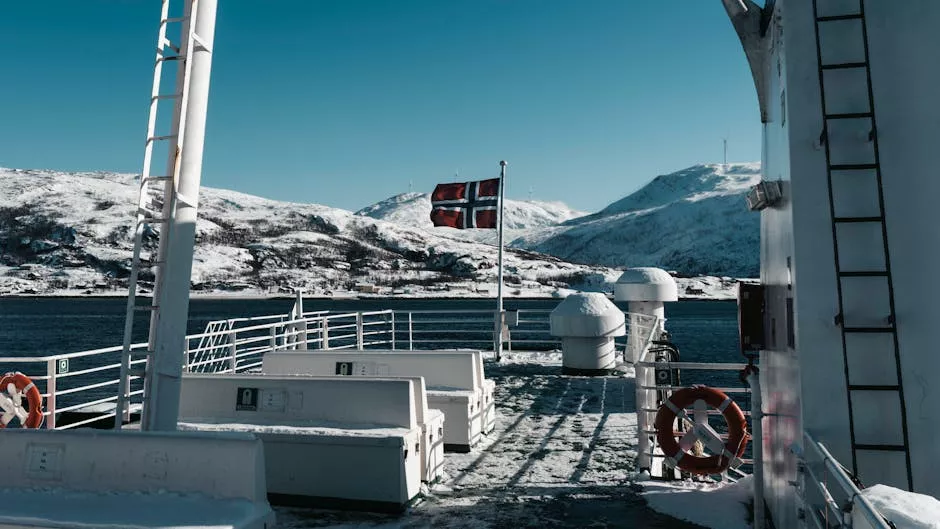
The Norwegian government's recent decision to authorize the reopening of three North Sea gasfields, previously closed for almost three decades, has ignited a wave of criticism worldwide. This move comes as part of an attempt to address the growing energy deficit exacerbated by ongoing conflicts in the Middle East.
Background and Context
The Middle East has been under intense geopolitical tension since the US and Israel launched attacks on Iran in February. These events have led to significant disruptions in global oil and gas supply chains, pushing European nations to reconsider their energy dependencies and strategies. Norway, rich in natural resources, now faces a challenge: balancing economic benefits with environmental responsibilities.
Details of the Decision
The approval covers exploration in 70 new areas across the North Sea, Barents Sea, and Norwegian Sea. This expansion is part of a broader initiative to reinforce energy security amid fluctuating international supply dynamics. The reopening of the gasfields, which were shut down nearly 30 years ago owing to environmental concerns, aims at stabilizing the energy market amid rising prices.
Regional Perspectives
Within Europe, responses to Norway's decision vary. Countries with higher dependency on fossil fuels have expressed cautious support, viewing the move as a necessary evil to ensure continuity of energy supplies. However, nations prioritizing renewable energy and environmental policies have voiced strong opposition, fearing that such actions may significantly delay the transition towards sustainable energy solutions.
Environmental Concerns
Environmental activists and climate change advocates have been quick to denounce the decision. They argue that reinvesting in fossil fuel infrastructure contradicts global commitments to reduce carbon emissions. Critics assert that Norway, by capitalizing on the current crisis, risks undermining decades of progress in environmental stewardship.
Geopolitical Implications
The ramifications of Norway’s actions extend beyond Europe. As the EU's second-largest energy supplier, Norway's realignment could set a precedent for other resource-rich nations. This decision illuminates the complex interplay between national interests, global energy needs, and environmental ethics.
Furthermore, the geopolitical landscape of the Middle East and its influence over global energy supply cannot be underestimated. The ongoing conflict has not only pressured traditional energy avenues but is also reshaping alliances and partnerships, emphasizing the need for alternative and reliable energy sources.
The decision's timing, amid sharply increasing oil and gas prices, reflects intricate geopolitical calculations. With Europe striving to isolate itself from Middle Eastern energy reliance, Norway's energy policy now represents both an opportunity and a dilemma on the world stage.
Conclusion
Although Norway has long been celebrated for its renewable energy initiatives, its decision to reopen North Sea gasfields highlights the perennial struggle between economic and environmental priorities. This situation underscores the necessity for a comprehensive long-term strategy that aligns national interests with sustainable goals.
Why It Matters
Why It Matters
This decision is significant as it highlights the tension between immediate energy needs and long-term environmental sustainability. With global energy markets in flux and geopolitical tensions high, Norway's actions could influence future energy strategies globally. Understanding the implications of reopening these fields can shed light on Europe's energy trajectory and the ongoing conflict's ripple effects on global markets. Observers should watch for policy shifts in other nations and potential impacts on climate agreements as economic pressures weigh on environmental commitments.