Gibraltar's Sewage Crisis: Raw Waste Dumped into Mediterranean
Gibraltar, lacking a treatment facility, dumps raw sewage into the Mediterranean, sparking environmental concerns.
Senior Geopolitical Analyst
Introduction
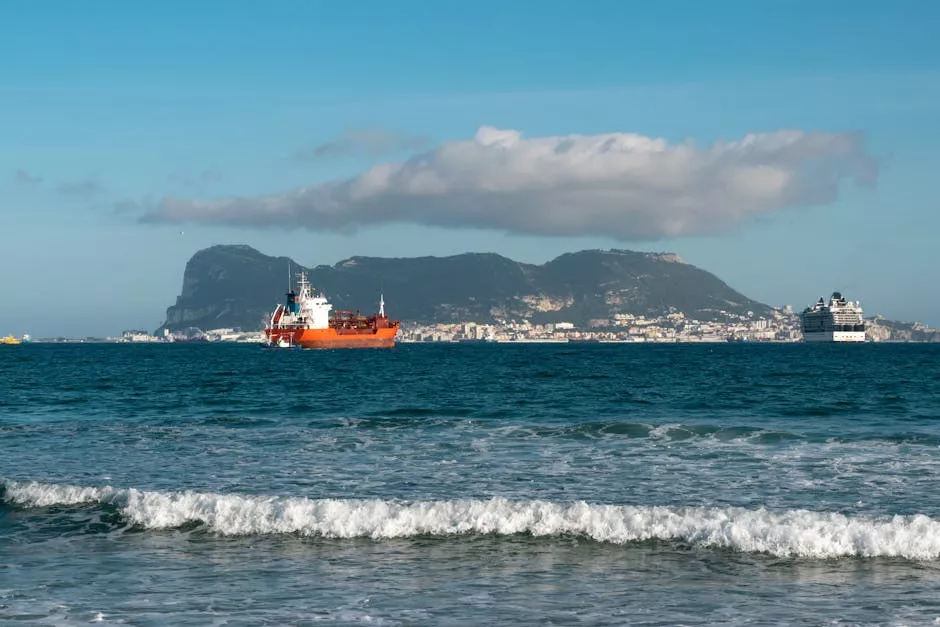
In a shocking revelation, the British overseas territory of Gibraltar has been found to discharge raw sewage from its population of nearly 40,000 directly into the Mediterranean Sea. Despite widespread understanding of the environmental and health implications of such actions, Gibraltar remains without a wastewater treatment plant, a reality that has persisted for decades. This situation has stirred both ecological concerns and geopolitical tensions in the region.
Historical Context
Gibraltar, a strategically located territory at the southern tip of the Iberian Peninsula, has long basked in its unique geopolitical position. However, its inability to establish a modern sewage treatment facility puts into question its infrastructural and administrative priorities. The territory's governance has often been under scrutiny, weighing between British administration and local governance aspirations. Historically, waste management has been a glaring shortfall in the territory’s urban planning.
Environmental Impact
The absence of a wastewater treatment plant means that millions of liters of untreated sewage are pumped into the Mediterranean annually, severely affecting marine life and water quality. The Mediterranean Sea, already one of the planet’s most fragmented ecosystems due to heavy human activity, faces further degradation from such pollution. Reports indicate that untreated human waste contributes significantly to the violation of environmental standards set by maritime regulatory bodies.
Regional Reactions
Spain, which geographically encircles Gibraltar, has expressed concerns over the continuous discharge of untreated waste into shared marine environments. Neighboring European countries have also become increasingly vocal about cross-border environmental issues, urging Gibraltar to adhere to EU standards despite Brexit complications. The relationship between Gibraltar and surrounding territories has been historically complex, and environmental factors add another layer to the ongoing negotiations.
Geopolitical Implications
This environmental challenge unveils deeper geopolitical questions about the governance and autonomy of Gibraltar as a British overseas territory amidst post-Brexit realities. The lack of a treatment facility is not merely an environmental issue but speaks to broader infrastructural and governance lapses that could affect Gibraltar’s standing and relations within the EU framework and with Spain.
Future Prospects
While the government of Gibraltar cites “high levels of natural dispersion” as a mitigating factor, pressure is mounting for the territory to conform to contemporary environmental norms. The development of a wastewater treatment facility is not just an environmental imperative but a geopolitical necessity, reflecting on Gibraltar’s readiness to engage cooperatively with its European neighbors.
Conclusion
The continuing lack of a waste treatment facility poses serious environmental and diplomatic challenges for Gibraltar. Resolving these issues will require not only substantial governmental investment but also international cooperation to implement sustainable ecological practices that protect the Mediterranean's fragile marine ecosystem.
Why It Matters
The issue of Gibraltar dumping untreated sewage into the Mediterranean attracts attention not only for its environmental repercussions but also due to its geopolitical undertones. This negligence puts Gibraltar at odds with regional environmental standards, potentially straining its relationships with neighboring Spain and the broader EU. This situation underscores the complexity of post-Brexit governance and its ripple effects on environmental policy compliance. As maritime environments become battlegrounds for climate and ecological diplomacy, Gibraltar's actions may set precedents for jurisdictional responsibility and territorial cooperation in pollution control. Observers should monitor how Gibraltar navigates the demands for infrastructure upgrades, balancing sovereignty with ecological accountability in an increasingly interconnected world.