France Rushes for Essentials Amid Middle East Conflict Impact
Price hikes feared in France prompting citizens to stockpile essentials as Middle East conflict escalates.
Africa & Global Economy Correspondent

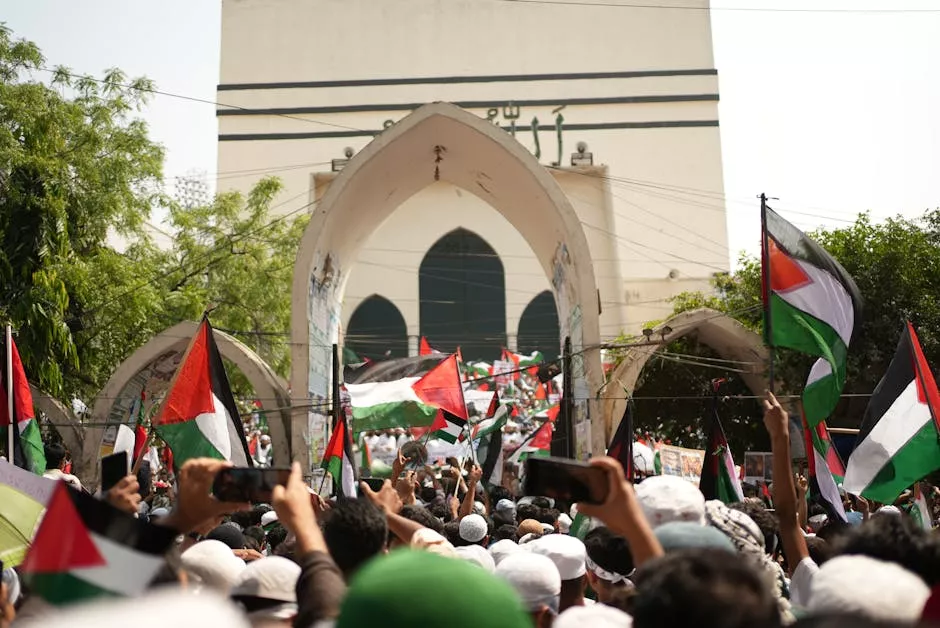
The current geopolitical tensions in the Middle East are causing ripples across continents, reaching as far as the consumer markets in France. The surge in violence and political unrest is not only a regional concern but is impacting global commodity prices, leading to a palpable fear among French consumers of impending inflation in essential goods. Recent reports indicate that a significant number of consumers are beginning to stockpile necessities such as pasta, tinned food, and other non-perishable items.
Historical Context and Present Day Concerns
Historically, conflicts in the Middle East have had far-reaching implications, notably affecting global oil prices due to the region's status as a significant oil producer. The energy markets are exceptionally sensitive to instability here, which subsequently affects freight costs and supply chains worldwide. The recent uptick in demand for basic commodities in France is reminiscent of similar consumer behavior during past financial uncertainties and potential crises.
Consumer Behavior and Economic Ripple Effect
Given past experiences, such as during the Gulf War and the Arab Spring, European markets have braced for economic aftershocks manifested through inflation and hikes in transportation costs. French consumers, wary of sudden price surges, are reacting predictably by securing household necessities in advance. Retailers report an increase in the purchase of shelf-stable goods, reflecting anticipation of further price increases.
Geopolitical Implications and Economic Strategies
The current situation underscores the interconnected nature of our global economy, where local conflicts can have worldwide impacts. Governments and economic bodies in Europe are closely monitoring these developments. France, in particular, is a significant player in the European Union and its response to these disturbances could set the tone for broader EU strategies aimed at mitigating economic fallout.
On the diplomatic front, European nations, including France, are pushing for dialogues to stabilize the region, but the complex historical matrix of conflicts makes quick resolutions unlikely. This potential for prolonged conflict contributes further to the volatile economic landscape, encouraging consumers to act protectively.
European Perspectives and Responses
Across Europe, countries are evaluating their oil reserves and revising strategic economic partnerships. The anticipation of potential energy shortages highlights the continent's dependence on Middle Eastern oil and gas supplies, spurring discussions around energy independence and sustainable alternatives.
Thus, part of the consumer reaction in France can be attributed to broader European anxieties. Heightened investment in renewable energy sources and bolstering of diplomatic channels are just some measures being deployed to reduce the potential economic disruptions.
Conclusion: An Uncertain Future
In conclusion, as the Middle East grapples with its internal conflicts, the ripple effects are palpable in France. The instinctual consumer response to stockpile essentials is a microcosm of the larger economic and geopolitical concerns that are developing. As France and other nations navigate this crisis, the focus remains on stabilizing markets and ensuring an uninterrupted supply of goods.
Why It Matters
Why It Matters
The current situation illustrates the profound interconnectedness of global economies and political landscapes. The Middle East, due to its strategic geopolitical position and abundance in oil reserves, serves as a critical node in global energy supply chains. The escalation of conflict jeopardizes not just regional stability but also threatens the economic well-being of distant nations like France. For the international community, the response requires a balance of immediate economic mitigation efforts and long-term strategic planning towards energy diversification. Watching for shifts in diplomatic negotiations and market adjustments in both energy and consumer sectors will be crucial for anticipating further developments.