Eurovision Winner Nemo Returns Trophy Over Israel's 2026 Inclusion
Swiss artist Nemo returns Eurovision trophy in protest of Israel's 2026 participation, joining five countries boycotting the contest amid growing geopolitical tensions.
In an unprecedented move that underscores the deepening politicization of Eurovision, Swiss singer Nemo has returned their 2024 Eurovision trophy in protest of Israel's confirmed participation in the 2026 competition. The decision marks a significant escalation in the ongoing controversy surrounding the song contest's handling of geopolitical conflicts.
A Growing Wave of Protest
Nemo's gesture comes as part of a broader protest movement that has gained momentum following the European Broadcasting Union's (EBU) announcement that Israel would compete in the 2026 Eurovision Song Contest. The Swiss artist, who made history as the first non-binary winner of Eurovision with their song 'The Code,' cited moral objections to performing alongside a nation they view as engaged in controversial military actions.
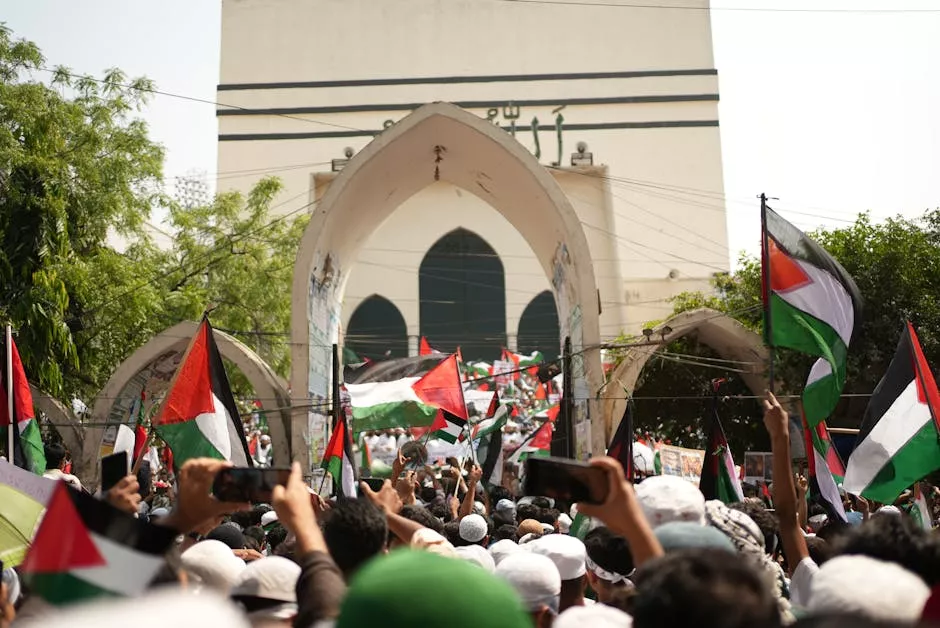
The protest extends beyond individual artists, with five countries reportedly preparing to boycott the 2026 event entirely. While the specific nations have not been officially confirmed, sources suggest that several Nordic and Western European countries are considering withdrawal, potentially creating the largest boycott in Eurovision's 68-year history.
Geopolitical Implications
This controversy highlights the increasingly complex intersection of entertainment and international politics. Eurovision has long maintained its position as a cultural bridge-builder across Europe and beyond, but recent geopolitical tensions have tested this mission. The contest's organizers face an unprecedented challenge in balancing artistic expression with political sensitivities.
The EBU's decision to include Israel reflects the organization's stated policy of separating politics from music. However, critics argue that this approach ignores the reality of how international conflicts affect public perception and artist participation. The ongoing situation has sparked debates about whether cultural events can or should remain politically neutral in times of international crisis.
Historical Precedent and Future Concerns
This is not the first time Eurovision has faced political controversy. Previous years have seen disputes over various participating nations' domestic and foreign policies. However, the scale of the current protest, including a previous winner returning their trophy, represents a new level of dissent within the Eurovision community.
The boycott threat raises serious questions about the contest's future format and participation. If multiple countries withdraw, it could fundamentally alter the competition's character and potentially impact its broadcasting revenues and international appeal. The EBU now faces the delicate task of managing these tensions while preserving Eurovision's reputation as a unifying cultural event.
As the 2026 contest approaches, the entertainment industry watches closely to see how this unprecedented challenge to Eurovision's traditional apolitical stance will reshape one of Europe's most beloved cultural institutions.