Drug Abuse Among Russian Troops Surges on Ukraine Frontlines
Increasing drug use among Russian troops highlights a growing crisis in the prolonged Ukraine conflict with severe implications.
Middle East & Diplomacy Specialist
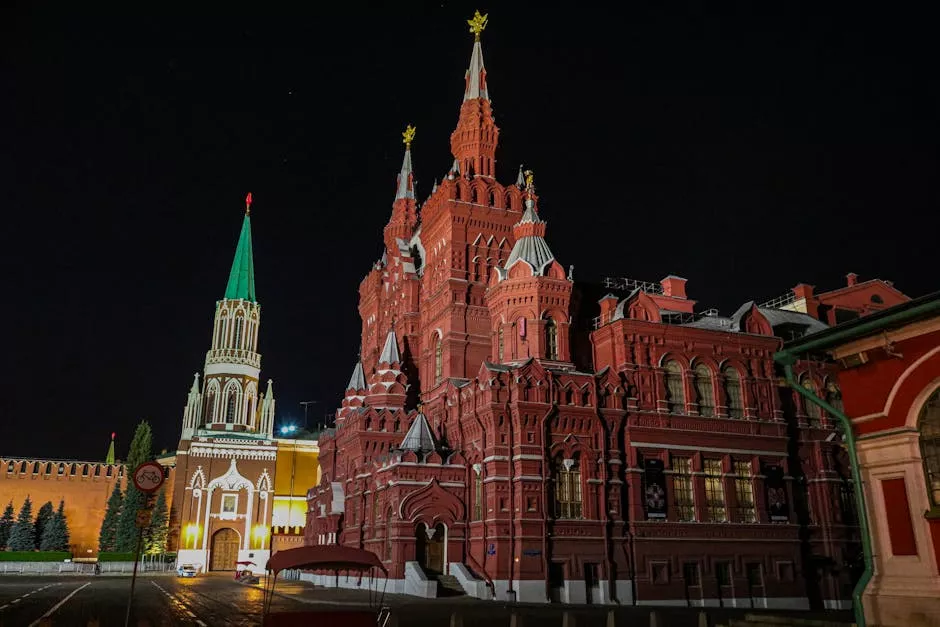
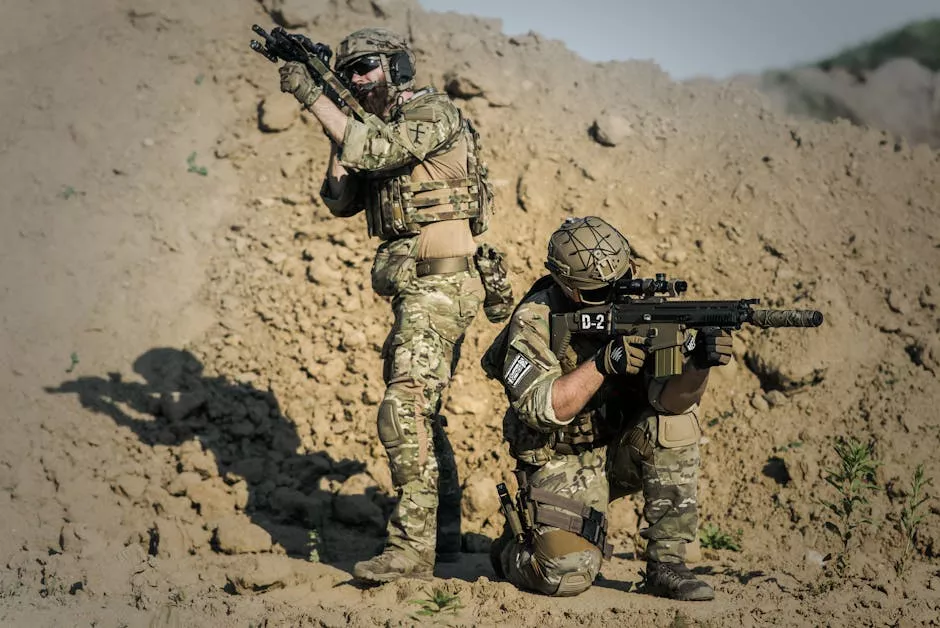
The prolonged conflict in Ukraine has shown no signs of abating, intensifying existing challenges for troops on both sides. Recently, a less visible but equally damaging crisis has caught the attention of military strategists and human rights advocates alike: rampant drug use among Russian troops stationed at the frontline. While warfare often increases stress and leads to various coping mechanisms for survival, drug abuse poses a lethal risk not just for the individual soldiers but for the operational integrity and moral fabric of the army.
Historical Context
Substance abuse in military ranks is not a new phenomenon. Wars throughout history, from the American Civil War to more recent conflicts like Vietnam and Afghanistan, have seen soldiers resort to drugs to cope with the harrowing realities of warfare. However, in the case of Ukraine, the socioeconomic and structural issues within the Russian military seem to exacerbate the problem. With inadequate support systems and the devastating effects of prolonged warfare, soldiers often turn to illicit substances, hoping to escape their grim realities.
Regional Perspectives
From the region's perspective, drug use among troops adds another layer of complexity to the conflict in Eastern Europe. Ukraine, fighting to defend its sovereignty, finds itself up against not only the Russian military's physical might but also its increasing internal disarray, partly caused by substance abuse issues. For civilian areas near the frontlines, the potential for drug-influenced wartime decisions could pose additional risks, making the situation even more volatile.
Furthermore, post-conflict, Russia may need to address the repercussions of widespread drug addiction among returning veterans, which could lead to broader societal challenges. On the international stage, this may invite criticisms of Russia’s military policies, possibly leading to diplomatic strains or calls for humanitarian interventions.
Geopolitical Implications
The drug crisis among Russian troops stationed in Ukraine could have significant geopolitical reverberations. For one, it might influence military effectiveness, impacting Russia's strategic objectives and prolonging the conflict, which already weighs heavily on global political dynamics. The international community, particularly Western nations, may use this issue as leverage in diplomatic engagements, pushing for renewed peace talks or condemnation through international platforms such as the United Nations.
The ripple effects might also reorganize alliances and shift the balance of power, especially if Russia’s military capabilities are perceived as weakened. Countries in Europe, especially those in Eastern Europe, might recalibrate their defense postures, seeking more robust assurances against any future threats.
Moreover, this scenario presents an opportunity for international watchdogs and humanitarian organizations to advocate for better mental health and human rights conditions for soldiers, potentially impacting military policies worldwide in the long run.
Why It Matters
Why It Matters
The increasing incidence of drug use among Russian troops is not merely a military issue; it underscores a deeper, systemic crisis within Russia’s approach to warfare and troop management. If left unaddressed, these trends could critically undermine military operations, weakening one of the world's largest armies. Globally, this situation nudges the dialogue towards more profound discussions regarding soldiers' welfare and the humanitarian impacts of conflict financing. For the international community, the evolving landscape necessitates a recalibrated approach to foreign policy and defense postures as prolonged instability in Europe could have ramifications beyond the military realm, potentially affecting global economies and political alliances.