Denmark's Drastic Plans to Prevent US Control of Greenland
Denmark readied explosive action to deter a US invasion of Greenland, signaling geopolitical tension over strategic Arctic interests.
Africa & Global Economy Correspondent
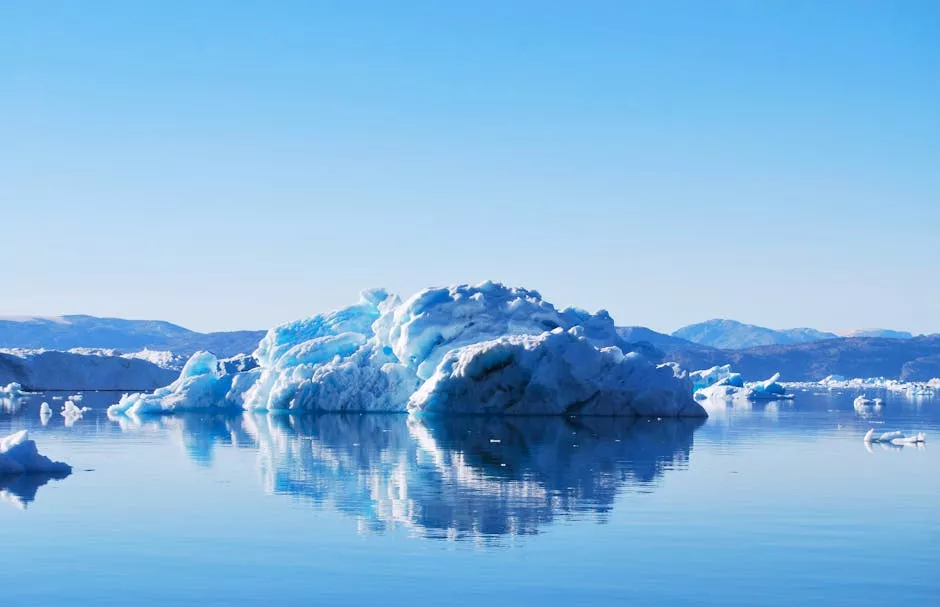
The revelation that Denmark had prepared to blow up airfields in Greenland to thwart any potential US invasion underscores not only the strategic importance of the vast, icy island but also the intricate geopolitical chess game being played in the Arctic region. These contingency plans, reportedly including the deployment of blood supplies and live ammunition, were a response to President Trump's interest in acquiring Greenland—an idea initially perceived as far-fetched but treated with utmost seriousness by Danish authorities. This disclosure sheds light on the lengths to which Denmark was willing to go to protect its sovereignty and maintain its hold over Greenland.
Historical Context of Greenland's Strategic Importance
Greenland's geopolitical significance is deeply rooted in its history and geography. Strategically located between North America and Europe, Greenland has been pivotal during wartime and as a point of Arctic interest. During World War II, the United States established military bases on the island to stave off German advances. In the post-war era, Greenland continued to serve as a crucial listening post for monitoring Russian submarines during the Cold War. With the Arctic's melting ice caps opening new shipping lanes and access to untapped resources, Greenland's value has only increased, attracting great-power competition.
The US-Denmark Relationship Over Greenland
The US-Denmark relationship is generally undergirded by strong ties through NATO and a shared commitment to transatlantic security. However, Trump's proposal to purchase Greenland in 2019 introduced an unprecedented strain. His public declaration was met with strong rebuffs from Denmark, which forcefully asserted that Greenland was not for sale. This sentiment was not merely a political stance but backed by tangible military readiness to thwart any aggressive moves. Denmark's potential militarization, albeit as a last resort, suggests that the stakes in Greenland were high enough to consider drastic measures.
Geopolitical Implications
The Arctic, and Greenland in particular, is becoming an arena for great power ambitions. The interest shown by the US in acquiring Greenland was driven by multiple factors, including military strategic positioning, mineral resources, and a platform for scientific exploration amid climate change challenges. Greenland's ice melt has brought its rich natural resources, such as rare earth minerals, potentially lucrative fishing waters, and hydrocarbons, into the radar of global superpowers. Denmark's preemptive defense measures against one of its closest allies highlight the delicate balance among Arctic nations.
Regional and Global Reactions
The notion of a US purchase prompted reactions not only from Denmark but from Greenland itself, which has been increasingly asserting its autonomy. While still a Danish territory, Greenland has been moving toward greater self-governance, and the idea of American control would likely face resistance both locally and internationally. Neighboring Arctic countries like Canada, Russia, and Norway are likely monitoring these developments closely, as any alteration in Greenland's status could shift the existing Arctic power balance.
In a broader sense, the incident serves as a microcosm of the larger narrative—who will ultimately wield influence and control in the evolving Arctic landscape. As climate change reshapes this region, the geopolitical scramble involving the Arctic's economic potential and military strategic advantages is only set to intensify. Denmark's actions, while defensive, underscore the complexities of modern geopolitics where traditional alliances may falter under the weight of national interests.
Why It Matters
The emergence of Denmark's military contingency plans for Greenland highlights the geopolitical importance of the Arctic in the context of national sovereignty and resource control. As the Arctic becomes more accessible due to climate change, its strategic value increases not only for the bordering states but for global superpowers like the United States and China seeking to deepen their foothold. This revelation reveals the fragile nature of international alliances when territorial or resource-based interests are at stake. The situation in Greenland is an acute reminder of the shifting dynamics in global geopolitics driven by environmental changes. Observers should watch how Arctic policies evolve, focusing on diplomacy and sustainable resource management to preclude potential conflicts in this vulnerable region.