Weekly Geopolitical Intelligence Briefing: April 27 - May 3, 2026
Escalating tensions in the Middle East, Germany's pension debate, and Paraguay's Taiwan alliance underscore a week of geopolitical shifts and energy transitions.
International Relations Correspondent
Middle East Tensions and Diplomatic Stalemates
This week saw a troubling escalation in the Middle East as Israel and Hezbollah engaged in intensified strikes. This conflict adds another layer of complexity to the region's precarious situation, exacerbated by the stalled diplomatic talks between the United States and Iran. The lack of progress in these negotiations threatens broader regional stability, as Iran's regional allies remain active and potentially volatile under current conditions. The citizens of Tehran are caught in a 'no war, no peace' state, experiencing economic hardships while living under the constant threat of geopolitical upheaval.
Local Political Dynamics in Gaza and West Bank
The Palestinian local elections reflected deep-seated political divides. The elections took place against a backdrop of significant abstention by major factions, revealing the fractious nature of Palestinian politics. These political tensions, coupled with external pressures, continue to challenge efforts toward a unified political front.
Europe's Strategic and Social Debates
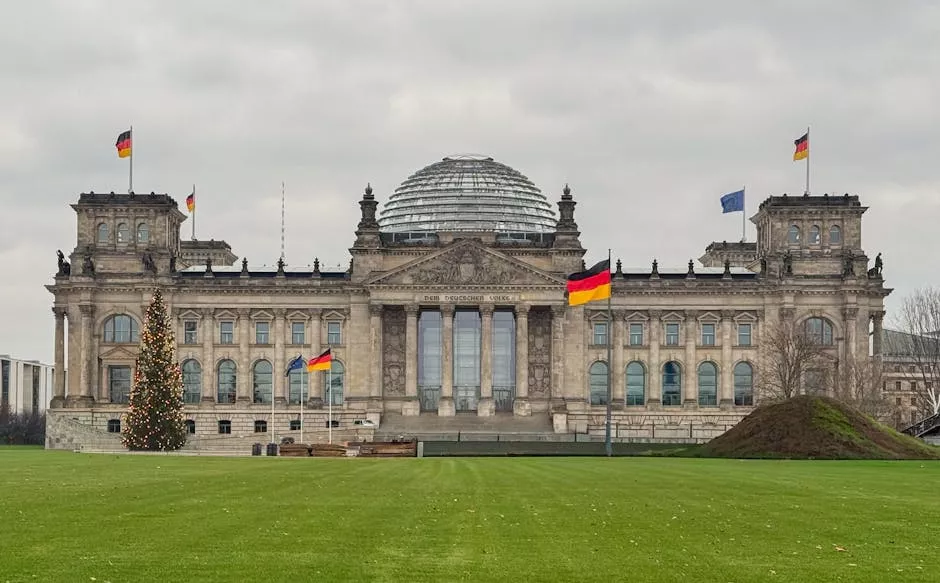
In Europe, Germany's pension system came under scrutiny as Friedrich Merz's warnings sparked a debate on its adequacy compared to global standards. This has ignited discussions around the sustainability and future reforms needed to secure stability for Germany's aging population. Concurrently, Bavaria's premier Markus Söder has reignited the debate on compulsory military service, suggesting a potential shift in Germany's defense policy, which could have wider implications for NATO and European defense strategies.
Germany's Responses to Global and Domestic Issues
Chancellor Merz's address concerning a U.S. shooting incident also highlighted the political tensions and the transatlantic relationship dynamics. These discussions occur as Europe seeks to recalibrate its strategic postures amidst growing uncertainties.
Paraguay and Taiwan: Standing Firm Against Pressure
Paraguay's unwavering support for Taiwan amid Beijing's strategic overtures is a testament to the strength of their decades-old partnership. This development is significant in the context of China's increasing assertiveness in the global arena, as it demonstrates resistance against Beijing's diplomatic pressures and potentially influences other countries with similar ties to Taiwan.
Energy Innovations and Strategic Shifts in Ukraine
Ukraine's pivot to solar energy presents a strategic shift in response to the ongoing threats to its nuclear facilities posed by Russian aggression. This transition not only represents a tactical response to wartime infrastructure challenges but also signifies a longer-term move towards sustainable energy solutions independent of traditional power structures. Ukraine's experience could serve as a model for other nations facing similar geopolitical threats.
Why It Matters
What to Watch Next Week
As the situation in the Middle East develops, closely monitor any moves from regional powers that could escalate or mitigate the tensions between Israel and Hezbollah. The outcome of U.S.-Iran talks remains crucial in this context. In Europe, observe any legislative or public responses to the German pension debate and the compulsory military service discussion, which could impact broader EU defense policies. Also, watch for any diplomatic maneuvers by China as it responds to Paraguay's steadfast support for Taiwan, which could shape Beijing's strategy in engaging with other nations allied with Taiwan. Lastly, Ukraine's advances in solar infrastructure will be pivotal in determining its resilience and adaptability in a prolonged conflict scenario.