G7 Ministers Grapple with Iran Sanctions Amid Energy Concerns
G7 finance ministers aim to address economic disruption from Iran sanctions and escalating energy prices at their Paris summit.
International Relations Correspondent
Finance Ministers Converge Amid Rising Tensions
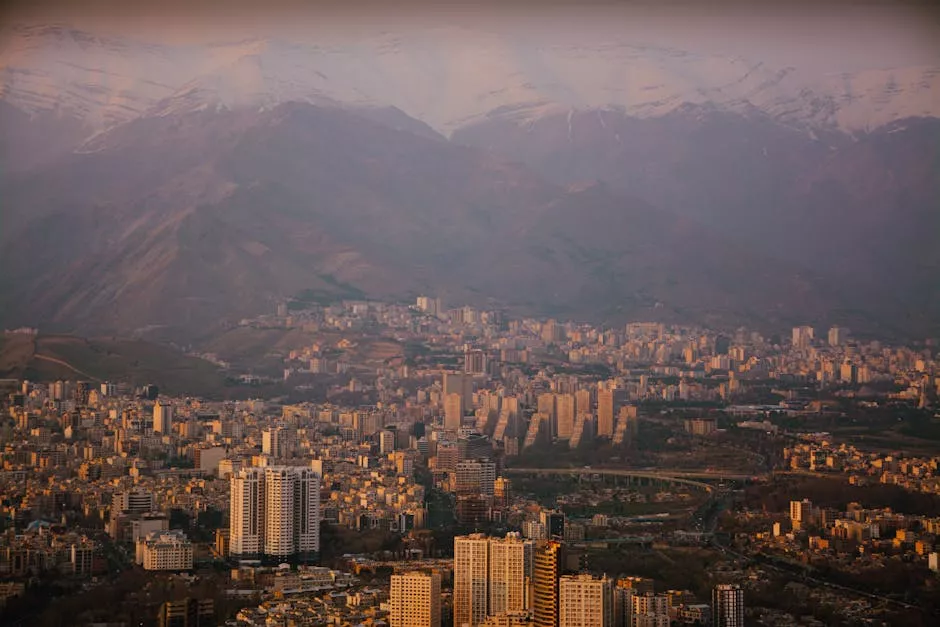
As the world grapples with fluctuating energy prices and escalating geopolitical tensions, the G7 Finance Ministers are meeting in Paris this week, focusing on finding a cohesive strategy to mitigate the economic risks associated with Iran's sanctions. This critical gathering comes at a time when stakeholders globally are increasingly concerned about the spillover effects of these sanctions on energy markets and global economic stability.
The Context of Sanctions on Iran
Sanctions on Iran have long been a tool used by western powers to curb Tehran's nuclear ambitions and other activities deemed destabilizing. However, the re-imposition of these sanctions, particularly those targeting Iran's oil sector, has significantly impacted global oil supplies, contributing to rising energy prices worldwide. With Iran being one of the world's major oil producers, restrictions on its crude exports have led to less supply in the global market, pushing prices upwards.
Economic and Energy Implications
The Paris summit, therefore, holds significant implications for the global economy. G7 nations, which include both major oil-importing and exporting countries, are looking to balance the enforcement of sanctions with the need for stable energy markets and prices. This is especially pressing as higher energy prices directly affect both industrial and consumer sectors, leading to increased costs for goods and services and potentially stymying economic recovery efforts post-pandemic.
The ministers are expected to evaluate various policy tools to ease the energy crunch while maintaining pressure on Iran. This could involve diplomatic engagements with other oil-producing nations to increase output or incentivizing alternative energy development to reduce dependency on Iranian oil.
Previous Measures and Historical Approaches
Historically, sanctions have met with varied success. While they have isolated the Iranian economy over the years, they have also fostered an environment of defiance within Iran, spurring advancements in domestic industries as a counter-measure. Moreover, sanctions have also had humanitarian repercussions on the Iranian populace, adding another layer of complexity to policymaking.
In previous instances, global powers have attempted collective responses such as releasing strategic oil reserves or negotiating with other producers like Saudi Arabia to offset the loss from Iranian barrels. The success of these measures has often depended on the level of global cooperation and the simultaneous geopolitical dynamics at play.
Regional and Global Geopolitical Implications
Regionally, these economic sanctions have contributed to realignments and shifting alliances in the Middle East. Countries like Russia and China have occasionally stepped in to fill the void left by Western nations in Iran, gaining influence. This dynamic significantly factors into the strategic calculus of the G7 nations. Furthermore, any changes in Iran's economic status due to eased sanctions could alter the balance of power within the Middle East, affecting everything from energy dynamics to military strategies and diplomatic relations.
Globally, the impact of continued sanctions without strategic mitigation can disrupt not just oil markets but also broader geopolitical relations. Countries with significant economic interests in China or Russia, both of which have opposed stringent sanctions, might find themselves caught in a diplomatic impasse, impacting global economic forums and agreements.
Looking Forward: The Path of Diplomacy and Economic Strategy
As the G7 ministers deliberate, the need for a nuanced approach that addresses immediate economic concerns while looking towards long-term stability becomes evident. There is a distinct possibility that these discussions could lead to a softening of positions, or even renewed negotiations with Iran, provided they are aligned with broader strategic interests of maintaining energy stability.
The Paris summit represents a pivotal moment; its outcomes will not only influence global oil prices but also potentially shape the geopolitical landscape in the coming years.
Why It Matters
Why It Matters
The G7 summit's focus on Iran sanctions and energy prices speaks to the broader challenges at the intersection of geopolitics and global economy. Sanctions are a double-edged sword—while they serve as a political tool to exert pressure, they also risk unintended global economic fallout. The G7's approach can significantly influence global oil markets, impacting everything from inflation rates to international trade balances. For readers, the key is to watch for any shifts in policy, potential negotiations with Iran, and responses from other major oil producers, as these could herald significant changes not just economically, but also in terms of global diplomatic relations.