Weekly Geopolitical Intelligence Briefing: March 2 - March 8, 2026
Rising tensions between the US-Israel and Iran redefine military strategies, strain global economies, and challenge geopolitical balances.
Defense & Security Editor
Iran's Evolving Military Strategy
In response to the brief but consequential conflict with Israel in June 2025, Iran has begun to significantly revamp its military strategy. This adaptation focuses on modernization, leveraging advanced technology, and forging robust regional alliances designed to bolster its influence across the Middle East. These strategic shifts not only aim to heighten Iran's defensive capabilities but also serve as a counterbalance to escalating US-Israel alliances.
The post-conflict dynamics have driven Iran to seek deeper ties with non-traditional allies, particularly in the Mediterranean, raising the stakes for European nations that could be inadvertently drawn into the fray. With a diminished but ever-resilient defense establishment, Iran's strategic pivot reflects a broader geopolitical goal of establishing itself as a formidable regional leader.
European Political and Economic Fallout
Europe finds itself embroiled in a multifaceted challenge following the reaffirmation of Golden Dawn's criminal status by a Greek court. This decision underscores the persistent threat of extremism within EU borders, as governments grapple with the ideological battle against far-right elements.
Simultaneously, the escalating US-Israel tensions with Iran have begun to directly impact European economies. With Iran's potential to project power across the Mediterranean, European nations face increased strategic vulnerabilities, compounded by a worsening energy crisis exacerbated by the disruption in Iranian oil supplies.
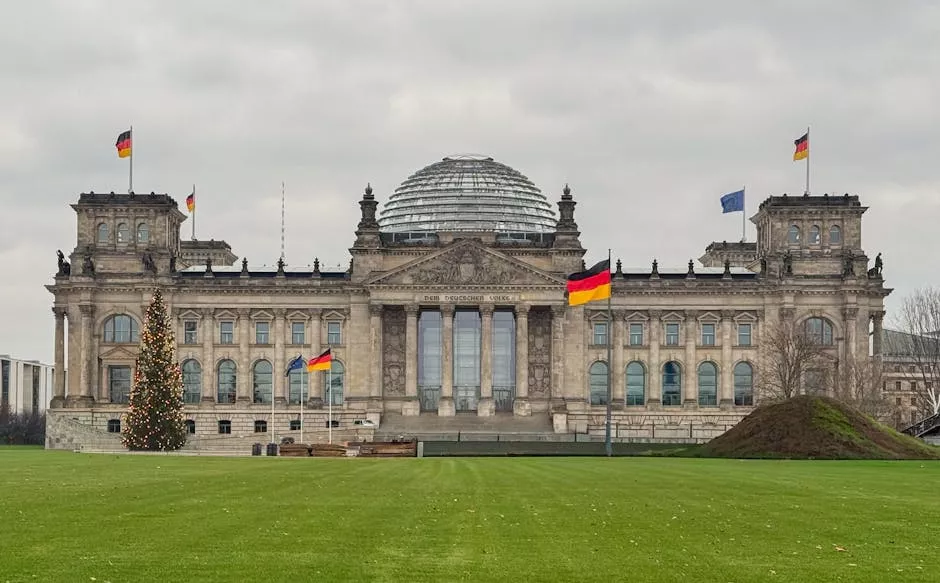
Germany, as the EU’s largest economy, is particularly hard-hit, experiencing a 20% surge in fuel prices. This economic strain reverberates across the continent, prompting urgent discussions on alternative energy solutions and the need for enhanced energy security frameworks.
The Qatar Gas Crisis
Further complicating the energy landscape, Qatar's halt in LNG supplies has disrupted markets in both Europe and India. This strife accentuates the vulnerability of global supply chains to regional conflicts and raises questions about the reliability of key energy resources. European economies, already grappling with inflation and supply chain issues, find themselves urgently reassessing their energy strategies.
China and Russia's Strategic Dilemmas and Maneuvering
China faces a delicate balancing act as it attempts to project its influence in the Middle East without undermining its strategic and economic interests. The Iranian crisis poses a dilemma for Beijing, which has significant investments in the region and seeks to maintain stable relationships with both Iran and Israel. This cautious approach highlights the complexities of China's Middle Eastern policy, as it navigates its own ambitions against the backdrop of regional instability.
In contrast, Russia capitalizes on the current geopolitical disturbances, leveraging its diplomatic relationships with both Iran and Israel to gain economic and political traction. Moscow's strategic maneuvering allows it to play a significant role in the unfolding narrative, positioning itself as a potential mediator and benefactor amidst the tensions.
Why It Matters
What to Watch Next Week
As the geopolitical landscape remains fluid, key areas to monitor include the evolving alliances and strategies within the Middle East, particularly any formal shifts in Iran's military posturing or new partnerships with non-traditional allies. Markets and governments will continue grappling with the economic impact of energy disruptions. Domestically, European nations are likely to intensify efforts to counter extremism while seeking greater energy independence.
Meanwhile, the diplomatic engagements involving China and Russia will warrant close observation, as any shifts could alter the power dynamics in the region. Additionally, potential escalations in the US-Israel-Iran tensions could further strain global geopolitical and economic frameworks. The EU's response to these developments, both in political and economic spheres, will be crucial in shaping the region's future stability.